



NTSB opens docket on 2015's Calif. Metrolink crash
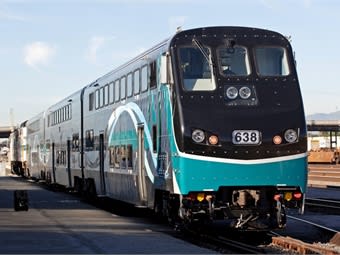
The accident happened when a commuter train carrying 51 passengers and three crewmembers, collided with a 2005 Ford F450 utility service truck towing a two-axle utility trailer.

The National Transportation Safety Board (NTSB) opened the public docket as part of its ongoing investigation of a Metrolink commuter train accident in Oxnard, Calif. in 2015.
The docket contains more than 2,200 pages of information including factual group reports, interviews, photographs and other investigative materials.
The accident happened Feb. 24, 2015, at about 5:44 a.m., when a commuter train carrying 51 passengers and three crewmembers, collided with a 2005 Ford F450 utility service truck towing a two-axle utility trailer. The truck driver had turned right from South Rice Avenue onto the Union Pacific Railroad (UP) track and the truck became lodged on the track 80 feet west of the grade crossing. The train consisted of a cab/coach car in the lead, three coach cars, and a locomotive at the rear. Thirty-two people aboard the train were injured, while the train engineer died. The truck driver exited his vehicle and ran from the scene prior to the crash; he sustained minor injuries that were unrelated to the crash sequence.
The public docket contains only factual information collected by NTSB investigators, and does not provide analysis, findings, recommendations or probable cause determinations. No conclusions about how or why an accident occurred should be drawn from the docket. The docket opening marks a transition in the investigative process where the majority of facts needed for the investigation have been gathered and the NTSB can move ahead with analysis of those facts.
Opening the docket affords those with a need and desire for its contents the opportunity review what factual information has been gathered about the accident. Any analysis, findings, recommendations, or probable cause determinations related to the accident will be issued by the NTSB at a later date.
More Security and Safety

Transit Agencies Highlight Safety Gains at National Summit
Leaders from 15 major transit systems shared crime-reduction results and safety initiatives while discussing the role of continued federal support.
Read More →
DART Launches Major Security, Fare Enforcement Initiative
The 90-day demonstration will deploy coordinated security teams at five light rail stations while testing controlled access and gathering data to guide future investments.
Read More →
RTD Launches NextRide App to Consolidate Trip Planning, Fares, Security Reporting
The app expands on RTD’s existing NextRide web application and allows customers to view real-time vehicle locations and service alerts, purchase and store digital fares, and access customer support.
Read More →
TAPTCO Updates OSHA Compliance Training for Transit Maintenance Operations
The revamped program addresses 26 OSHA standards for maintenance facilities, with TAPTCO pointing to training, documentation, and everyday shop hazards as continuing challenges for transit operations.
Read More →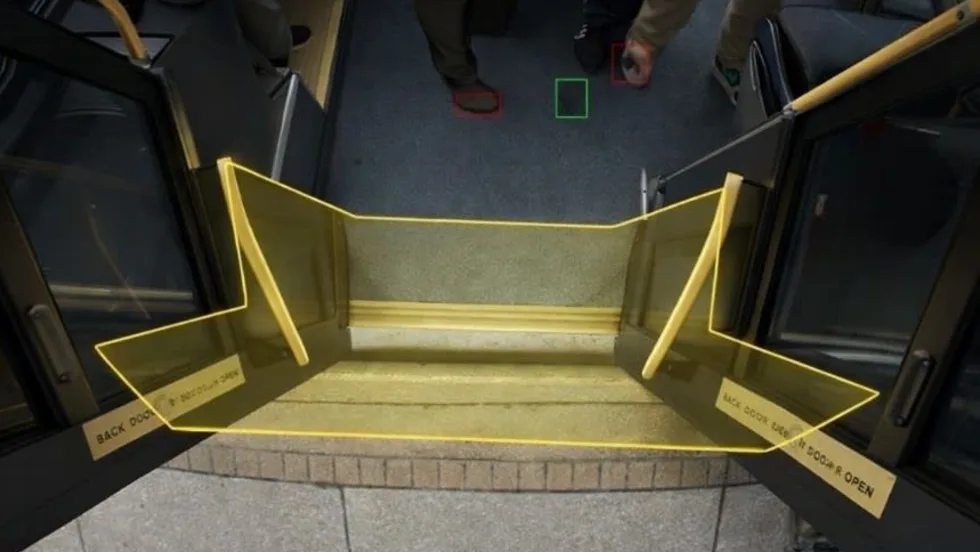
How VaporVision Adds Value to Transit Door Systems
Wabtec engineers explain how the system improves doorway detection, strengthens diagnostics and gives transit agencies and OEMs greater operating flexibility.
Read More →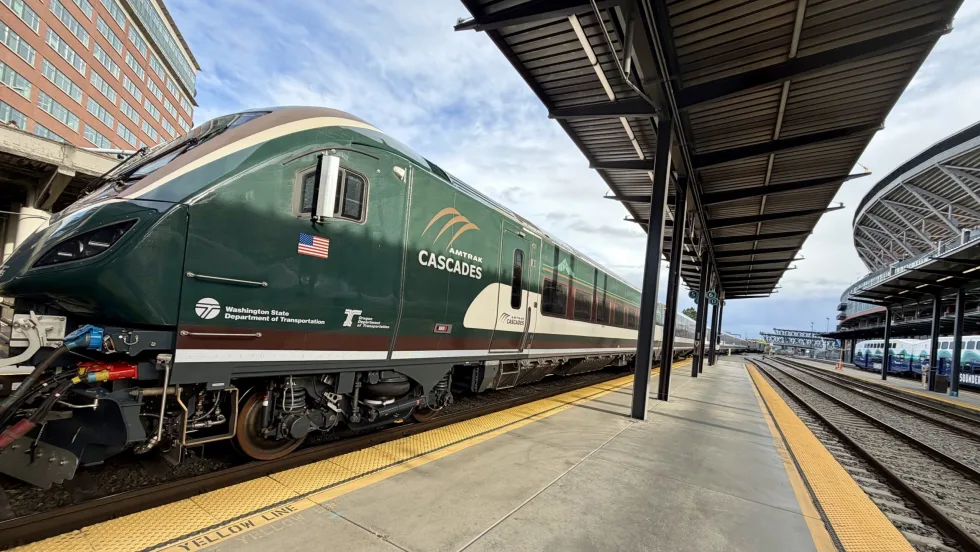
FRA Announces $5.3B in Rail Investments, Including $2B for Amtrak
Funding will support grade-crossing improvements, infrastructure upgrades, and new Amtrak equipment in 23 states.
Read More →
Chicago, Maryland Expand Non-Law-Enforcement Safety, Rider Support
The CTA and MTA are launching new programs aimed at de-escalation, crisis response, rider assistance, and greater transparency.
Read More →
LA Metro, City of West Hollywood, and Partners Advance Smarter Bus Lane Enforcement
The award-winning partnership combines AI-powered detection with human oversight to improve bus reliability, accessibility, and enforcement efficiency.
Read More →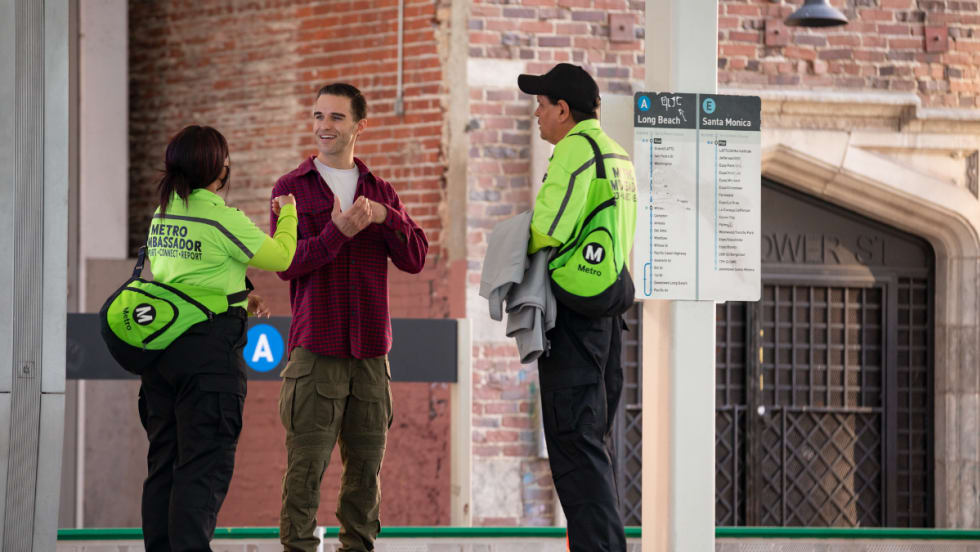
LA Metro Reports 57% Decline in Homelessness on Transit System Since 2024
The agency's latest homelessness count offers new data on how care-based services and cross-sector partnerships can complement traditional transit security strategies.
Read More →
FTA Launches 'Transit Moves America' Dashboard to Highlight Agency Safety and Performance
The online dashboard transforms National Transit Database information into a public-facing resource that allows users to compare transit agencies on key operational and safety metrics.
Read More →