




Related: NTSB retrieves data, video recorders from NJ Transit train
NJ Transit reopens Hoboken station, NTSB releases recorder findings
In all, eight of the 17 tracks at the Hoboken Terminal were set to reopen Monday at the busy station where commuters connect with other trains and ferries heading into New York City.
October 10, 2016
Adloch
3 min to read
Adloch
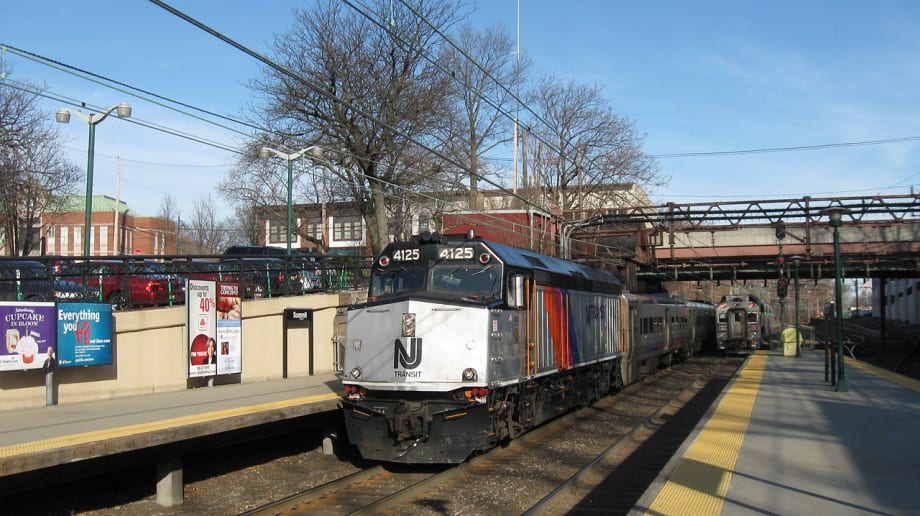
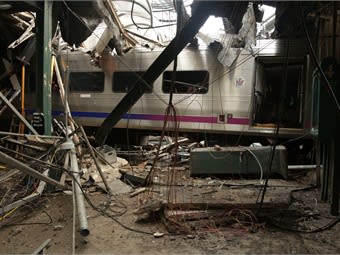
NEWARK, N.J. — Rail service at the New Jersey transit station damaged after a train crash last week that killed a woman on the platform and injured more than 100 resumed Monday, as officials continue to investigate why the train was traveling twice the speed limit before it hit the station, the timesunion reports.
In all, eight of the 17 tracks at the Hoboken Terminal were set to reopen Monday at the busy station where commuters connect with other trains and ferries heading into New York City.
Also Friday, a state lawmaker said the Assembly will request New Jersey's auditor initiate an investigation into the crash. Assemblyman John McKeon said on Friday Assembly Speaker Vincent will ask the auditor to investigate the crash, likely by Monday. For the full story, click here.
NTSB/Chris O'Neil
Also, late last week, the National Transportation Safety Board released details downloaded from the event data and forward-facing video recorders from the NJ Transit train involved in the crash.
Information from the forward-facing video and event data recorders was successfully recovered Thursday at the NTSB’s recorder laboratory. Both recorders appear to have been working as designed, and captured the engineer’s entire trip that morning, including the accident sequence. The forward-facing, color video from the cab car of train 1614 is of good quality and includes audio from an exterior microphone. Information obtained from the recorders includes:
The forward-facing video showed the cab car colliding with and overriding the bumping post at the end of the track #5 platform at the Hoboken Terminal. A large flash was observed as the car collided with the panel just beyond the bumping post.
The forward-facing video recorder captured the sound of one blast of the train’s horn about one minute before the collision, while the train was in the yard leading to the terminal. The train’s bell began sounding shortly afterward and continued until the end of the recording.
The event recorder indicates throttle increased from idle to the #4 position while the train was traveling about eight mph, approximately 38 seconds before the collision. Train speed began to increase and reached a maximum of about 21 mph.
According to the event recorder data, the throttle position went from #4 to idle just prior to the collision, and then engineer-induced emergency braking occurred less than a second before the collision with the bumping post.
The event recorder shows train speed was about 21 mph when it collided with the bumping post. Event recorder speeds during the final seconds are consistent with train speed estimates obtained from the NTSB’s preliminary analysis of images from the forward facing video camera.
A group of technical experts from the NTSB and the parties to the investigation is scheduled convene at NTSB headquarters in Washington, D.C., Oct. 11, to continue to verify and validate the data recovered from both cab car recorders.
No analysis is provided in the facts released from the event and video recorder data extractions. The NTSB has not determined probable cause and cautions against drawing conclusions from these facts alone. Analysis of the findings from these recorders and from other facts gathered during our comprehensive investigation will take place after the factual record is complete.
The investigation remains in the fact-gathering phase, which could take a year or more, according to the NTSB.
More Security and Safety

Transit Agencies Highlight Safety Gains at National Summit
Leaders from 15 major transit systems shared crime-reduction results and safety initiatives while discussing the role of continued federal support.
Read More →
DART Launches Major Security, Fare Enforcement Initiative
The 90-day demonstration will deploy coordinated security teams at five light rail stations while testing controlled access and gathering data to guide future investments.
Read More →
RTD Launches NextRide App to Consolidate Trip Planning, Fares, Security Reporting
The app expands on RTD’s existing NextRide web application and allows customers to view real-time vehicle locations and service alerts, purchase and store digital fares, and access customer support.
Read More →
TAPTCO Updates OSHA Compliance Training for Transit Maintenance Operations
The revamped program addresses 26 OSHA standards for maintenance facilities, with TAPTCO pointing to training, documentation, and everyday shop hazards as continuing challenges for transit operations.
Read More →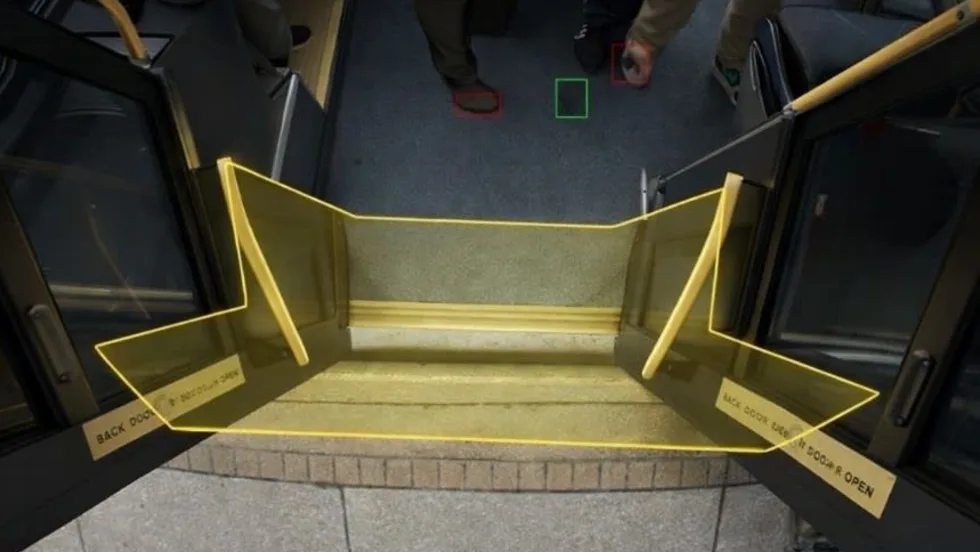
Sponsored•August 18, 2026
How VaporVision Adds Value to Transit Door Systems
Wabtec engineers explain how the system improves doorway detection, strengthens diagnostics and gives transit agencies and OEMs greater operating flexibility.
Read More →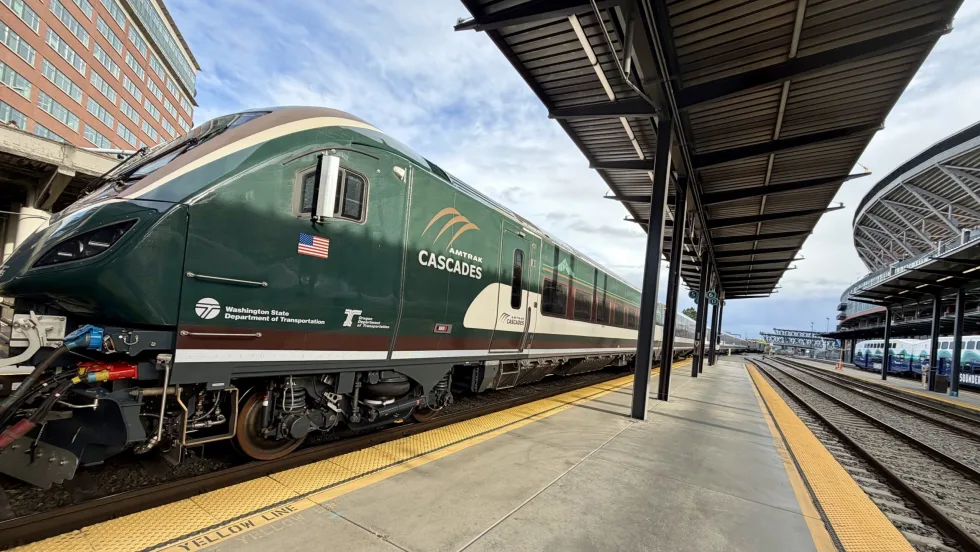
FRA Announces $5.3B in Rail Investments, Including $2B for Amtrak
Funding will support grade-crossing improvements, infrastructure upgrades, and new Amtrak equipment in 23 states.
Read More →
Chicago, Maryland Expand Non-Law-Enforcement Safety, Rider Support
The CTA and MTA are launching new programs aimed at de-escalation, crisis response, rider assistance, and greater transparency.
Read More →
LA Metro, City of West Hollywood, and Partners Advance Smarter Bus Lane Enforcement
The award-winning partnership combines AI-powered detection with human oversight to improve bus reliability, accessibility, and enforcement efficiency.
Read More →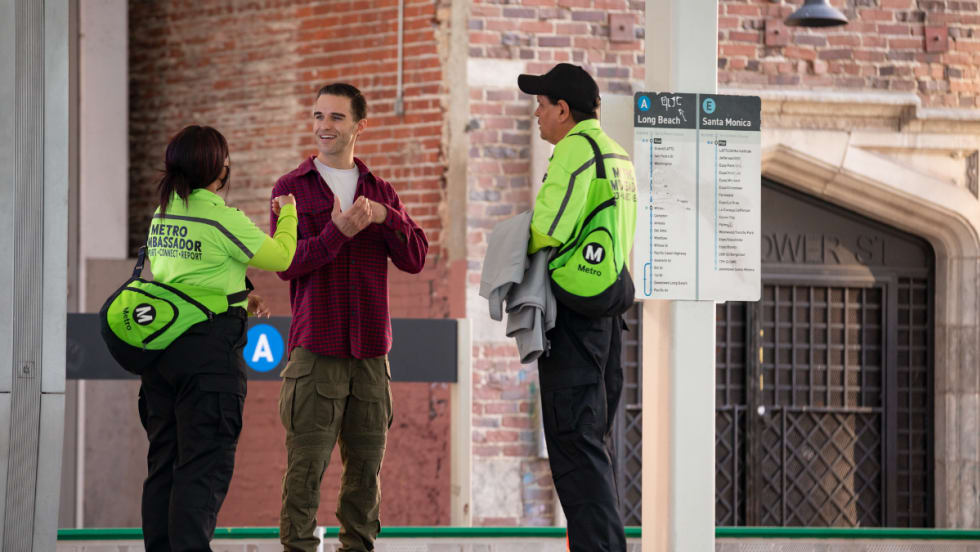
LA Metro Reports 57% Decline in Homelessness on Transit System Since 2024
The agency's latest homelessness count offers new data on how care-based services and cross-sector partnerships can complement traditional transit security strategies.
Read More →
FTA Launches 'Transit Moves America' Dashboard to Highlight Agency Safety and Performance
The online dashboard transforms National Transit Database information into a public-facing resource that allows users to compare transit agencies on key operational and safety metrics.
Read More →