



Commuter rail continues to make progress on PTC, according to APTA
Since APTA's last quarterly report, the Federal Transit Administration has updated the SOGR for the public transit industry which has increased to $90 billion.

Amtrak_Russ
Amtrak_Russ
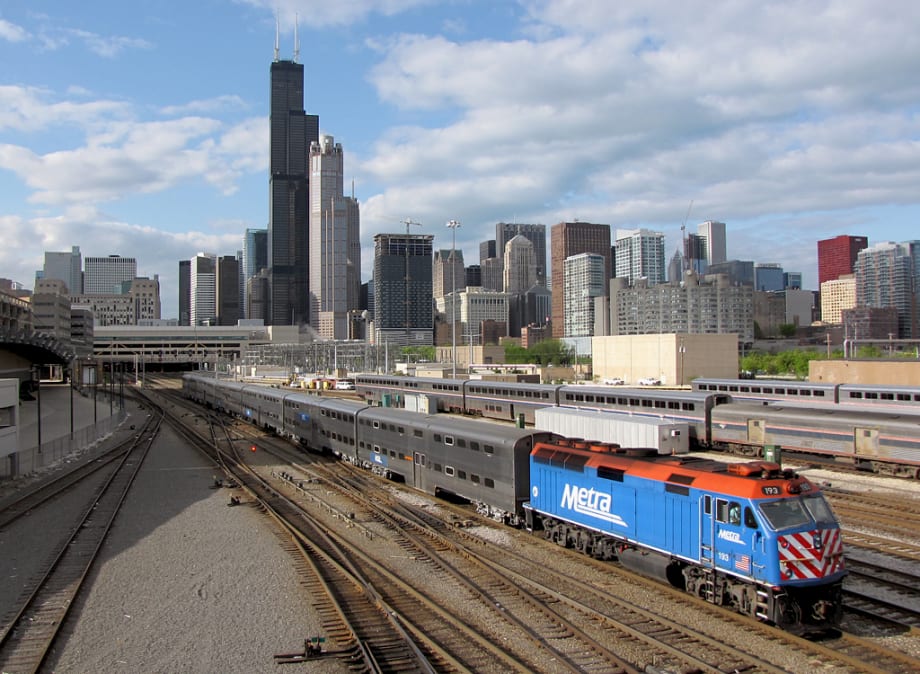
According to updated analyses done by the American Public Transportation Association (APTA), the commuter rail industry continues to make significant progress on implementing positive train control (PTC) and is on schedule to meet the congressional deadline of December 2018. The analyses were based on information available as of Dec. 31, 2016.
According to APTA's analyses, some of the results are as follows:
23% of the 3,150 route miles are either in service or in full PTC demonstration mode, while awaiting Federal Railroad Administration (FRA) approvals.
30% of the 3,400 locomotives and cab cars are installed with PTC hardware.
40% of the 35 back office control systems are ready for operation.
70% of spectrum has been acquired and 50% of the 1,000 radio towers have been erected.
24% of the 13,000 employees have been trained in PTC.
19% of commuter rail agencies were 100% PTC equipped by the end of 2016.
"The commuter rail industry continues to make significant progress in implementing positive train control (PTC)," said APTA Acting President and CEO Richard A. White. "The progress on this complex safety technology demonstrates the industry's relentless focus on safety."
The delivery of PTC is highly complex, requiring the development of safety critical software; installations on 3,150 miles of track; 3,400 locomotives; 1,000 radio towers; and training more than 13,000 employees, according to APTA.
"The installation of PTC is challenging for a number of reasons, including from a technical perspective. PTC was not a mature technology when Congress mandated it in the Rail Safety Improvement Act of 2008," said White. "Beyond the technological challenges that have to be addressed, there are significant issues in regard to the costs, scarce qualified resources, and adequate access to track and locomotives for installation and testing."
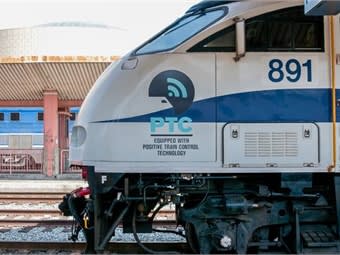
The APTA analyses were based on surveying APTA members and assessing the quarterly reports submitted to the FRA for the last quarter of 2016. It also showed that given the priority of PTC, there remains significant investment backlog for State of Good Repair (SOGR) and expansion projects, including upgrades and replacement to track, bridges, rolling stock, and facilities. Since APTA's last quarterly report, the Federal Transit Administration has updated the SOGR for the public transit industry which has increased to $90 billion.
PTC implementation is expected to cost the commuter rail industry more than $3.5 billion in capital expenditures, which includes more than $16 million in spectrum acquisition, as well as $100 million annually in additional maintenance costs.
Funding remains a critical concern for the commuter rail agencies, all of which are publicly funded. Currently, $75 million has been awarded to commuter rail agencies through federal grants designated specifically for PTC implementation. Additionally, $199 million was authorized by Congress but has yet to be appropriated. Finally, a $967 million loan from the U.S. Department of Transportation was made available to one commuter rail agency for PTC implementation.
"On behalf of the commuter rail industry, I urge Congress to quickly make available the $199 million authorized by the Fast Act for FY 2017 and consider providing additional resources to support industry efforts to meet the congressional deadline," said White.
More Security and Safety

Transit Agencies Highlight Safety Gains at National Summit
Leaders from 15 major transit systems shared crime-reduction results and safety initiatives while discussing the role of continued federal support.
Read More →
DART Launches Major Security, Fare Enforcement Initiative
The 90-day demonstration will deploy coordinated security teams at five light rail stations while testing controlled access and gathering data to guide future investments.
Read More →
RTD Launches NextRide App to Consolidate Trip Planning, Fares, Security Reporting
The app expands on RTD’s existing NextRide web application and allows customers to view real-time vehicle locations and service alerts, purchase and store digital fares, and access customer support.
Read More →
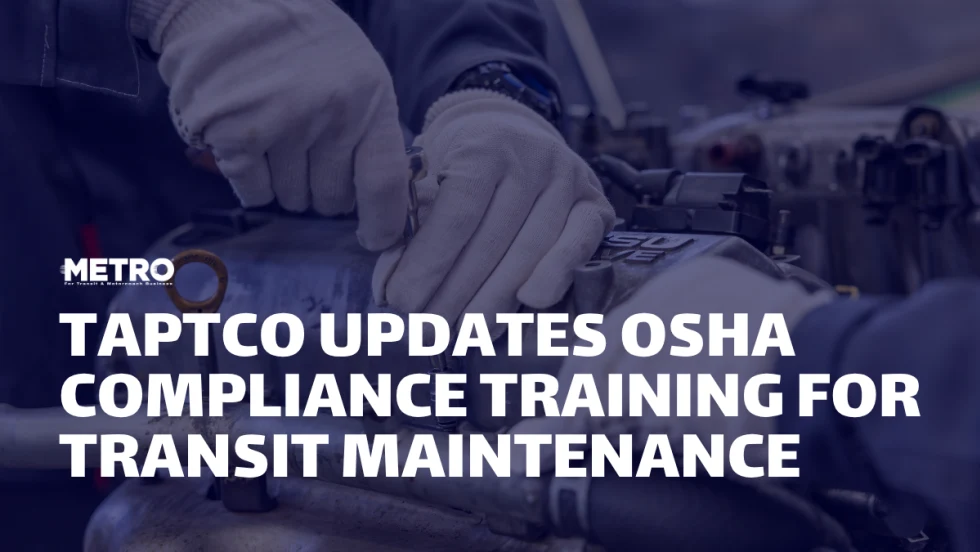
TAPTCO Updates OSHA Compliance Training for Transit Maintenance Operations
The revamped program addresses 26 OSHA standards for maintenance facilities, with TAPTCO pointing to training, documentation, and everyday shop hazards as continuing challenges for transit operations.
Read More →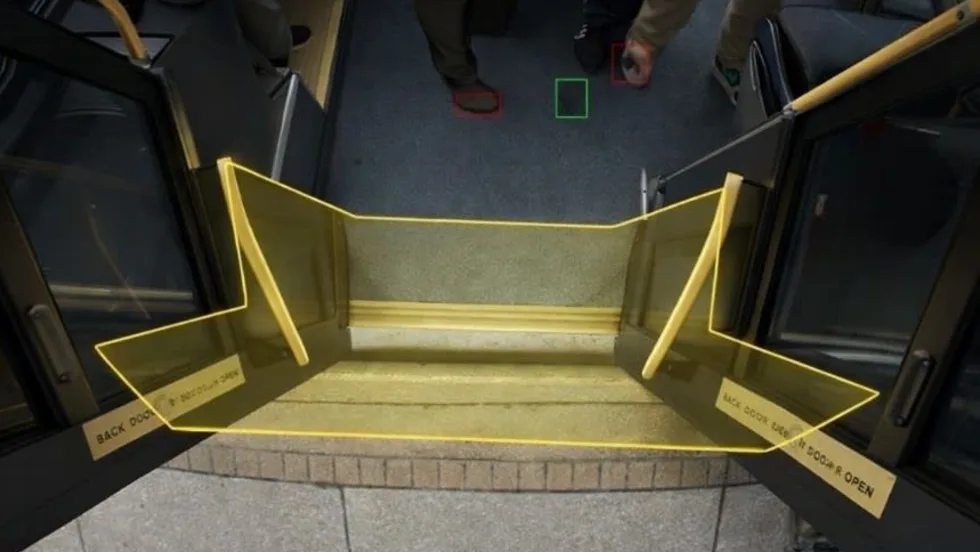
How VaporVision Adds Value to Transit Door Systems
Wabtec engineers explain how the system improves doorway detection, strengthens diagnostics and gives transit agencies and OEMs greater operating flexibility.
Read More →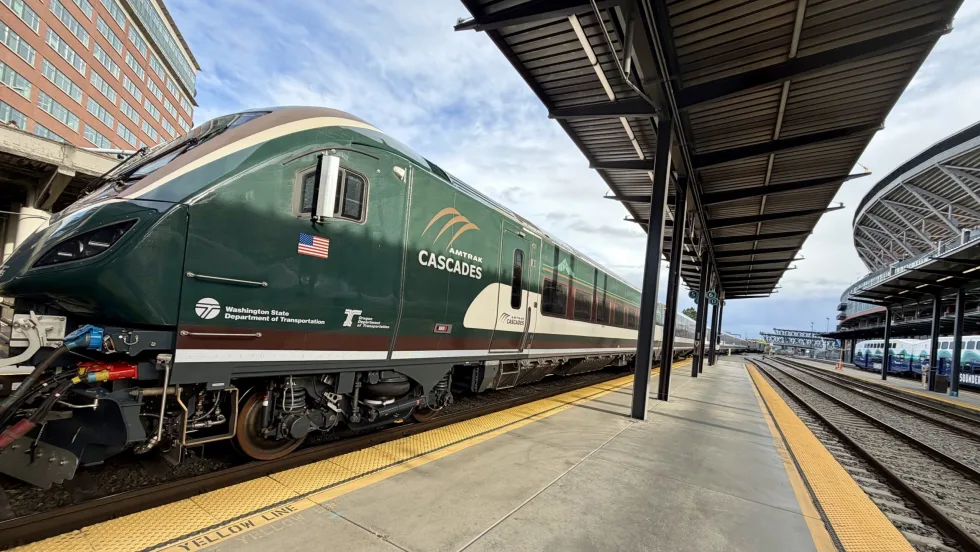
FRA Announces $5.3B in Rail Investments, Including $2B for Amtrak
Funding will support grade-crossing improvements, infrastructure upgrades, and new Amtrak equipment in 23 states.
Read More →
Chicago, Maryland Expand Non-Law-Enforcement Safety, Rider Support
The CTA and MTA are launching new programs aimed at de-escalation, crisis response, rider assistance, and greater transparency.
Read More →
LA Metro, City of West Hollywood, and Partners Advance Smarter Bus Lane Enforcement
The award-winning partnership combines AI-powered detection with human oversight to improve bus reliability, accessibility, and enforcement efficiency.
Read More →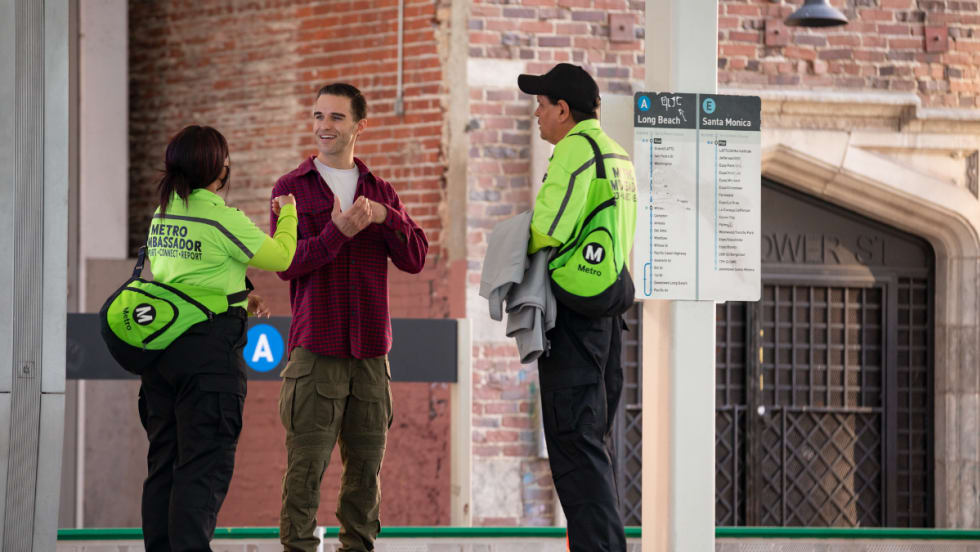
LA Metro Reports 57% Decline in Homelessness on Transit System Since 2024
The agency's latest homelessness count offers new data on how care-based services and cross-sector partnerships can complement traditional transit security strategies.
Read More →
FTA Launches 'Transit Moves America' Dashboard to Highlight Agency Safety and Performance
The online dashboard transforms National Transit Database information into a public-facing resource that allows users to compare transit agencies on key operational and safety metrics.
Read More →