




RELATED: Md. shuts down entire subway system for emergency repairs
Md. SubwayLink system closed due to rails exceeding wear standards
Recent physical inspections conducted in preparation for the planned track work unexpectedly indicated that some sections of track could not wait until summer 2018 to be replaced.
February 20, 2018
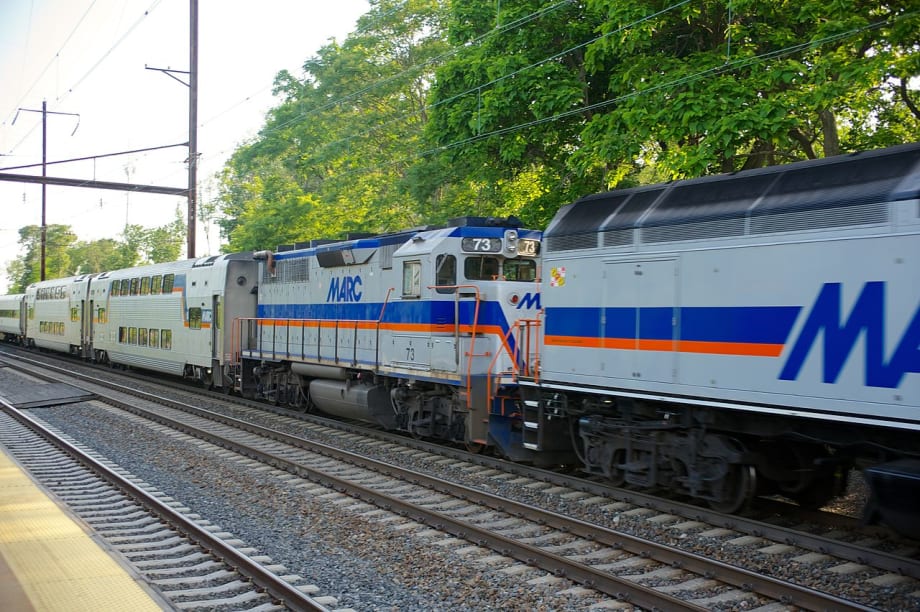
Recognizing the public interest in a well-maintained and safe rail system, MDOT MTA has posted the physical inspection report that precipitated the closure, as well as the Hogan Administration’s Metro SubwayLink funding commitment for Baltimore City.
Ryan Stavely
3 min to read
Recognizing the public interest in a well-maintained and safe rail system, MDOT MTA has posted the physical inspection report that precipitated the closure, as well as the Hogan Administration’s Metro SubwayLink funding commitment for Baltimore City.
Ryan Stavely
The Maryland Department of Transportation Maryland Transit Administration (MDOT MTA) announced that last week’s closure of the entire Metro SubwayLink system for emergency inspections and rail work was due to inspection findings that revealed unexpected wear on 11 sections of elevated track.
It was determined that Gauge Face Angle (GFA), one of the factors used in calculating rail wear, exceeded internal standards. GFA is the measurement of wear that occurs on the part of the rail that comes into contact with the train’s wheel. Over time, as wear occurs, the gauge face of the rail goes from vertical to sloped. Exceeding GFA standards can lead to a train derailment.
“The closure of the Metro SubwayLink system was undertaken for the safety of our riders,” said Administrator Kevin Quinn. “When presented with GFA findings in addition to a physical inspection, we found that the rate of wear was greater than anticipated. As a result, we took immediate action to protect our riders and initiated rail replacements at an accelerated schedule.”
Recognizing the public interest in a well-maintained and safe rail system, MDOT MTA has posted the physical inspection report that precipitated the closure, as well as the Hogan Administration’s Metro SubwayLink funding commitment for Baltimore City.
MDOT MTA conducts regular inspections and continually monitors rail conditions. Based on engineering evaluations and inspections conducted in 2015, it was projected that the rails would be safe for operation through summer 2018. In its first six-year transportation budget in 2015, the Hogan Administration committed an additional $20 million in the FY 2016-2021 Consolidated Transportation Program (CTP) to fully fund this rail replacement project. Recent physical inspections conducted in preparation for the planned track work unexpectedly indicated that some sections of track could not wait until summer 2018 to be replaced.
Since 2015, the Hogan Administration has increased the level of funding for Metro SubwayLink rail improvements. Prior to the Hogan Administration, the six-year transportation budget reflected $18.7 million for rail replacement compared to $85.1 million in the most recent six-year budget — FY 2018 — 2023 CTP. MDOT MTA has completed several state of good repair rail replacements since then, including interlocking replacements at Reisterstown Plaza, Portal, and Rogers Avenue. The Metro SubwayLink pledge represents a portion of the $3.8 billion in transportation funding that the Hogan Administration has dedicated to Baltimore City.
MDOT MTA recognizes the critical importance of public transit and is expediting repairs to minimize disruption to our passengers’ commute during this closure. As sections of the Metro SubwayLink track are repaired and made available for use, a partial reopening of the system will be evaluated. On Sunday, February 11, the Hogan Administration committed $2.2 million in emergency funding to provide a shuttle bus bridge to transport riders along the Metro SubwayLink route.
More Security and Safety

Transit Agencies Highlight Safety Gains at National Summit
Leaders from 15 major transit systems shared crime-reduction results and safety initiatives while discussing the role of continued federal support.
Read More →
DART Launches Major Security, Fare Enforcement Initiative
The 90-day demonstration will deploy coordinated security teams at five light rail stations while testing controlled access and gathering data to guide future investments.
Read More →
RTD Launches NextRide App to Consolidate Trip Planning, Fares, Security Reporting
The app expands on RTD’s existing NextRide web application and allows customers to view real-time vehicle locations and service alerts, purchase and store digital fares, and access customer support.
Read More →
TAPTCO Updates OSHA Compliance Training for Transit Maintenance Operations
The revamped program addresses 26 OSHA standards for maintenance facilities, with TAPTCO pointing to training, documentation, and everyday shop hazards as continuing challenges for transit operations.
Read More →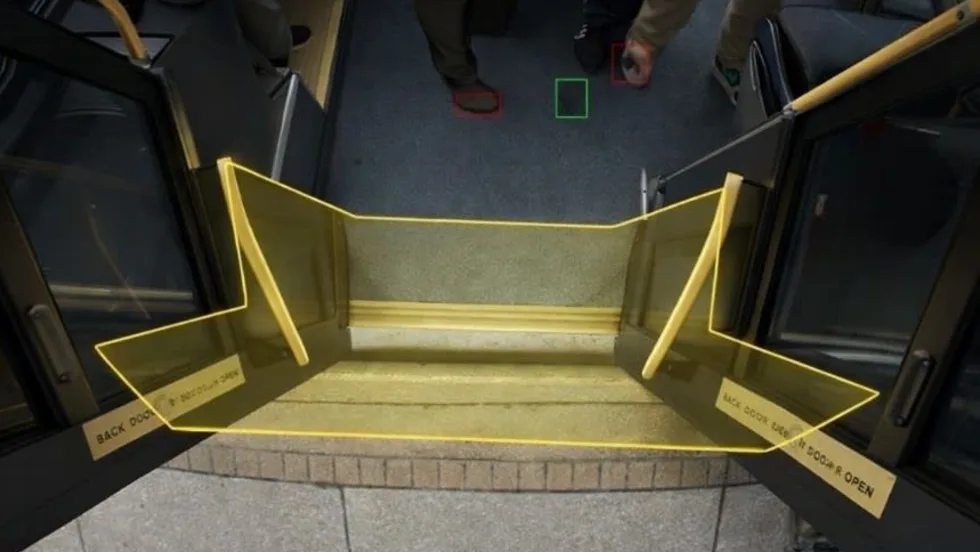
Sponsored•August 18, 2026
How VaporVision Adds Value to Transit Door Systems
Wabtec engineers explain how the system improves doorway detection, strengthens diagnostics and gives transit agencies and OEMs greater operating flexibility.
Read More →
FRA Announces $5.3B in Rail Investments, Including $2B for Amtrak
Funding will support grade-crossing improvements, infrastructure upgrades, and new Amtrak equipment in 23 states.
Read More →
Chicago, Maryland Expand Non-Law-Enforcement Safety, Rider Support
The CTA and MTA are launching new programs aimed at de-escalation, crisis response, rider assistance, and greater transparency.
Read More →
LA Metro, City of West Hollywood, and Partners Advance Smarter Bus Lane Enforcement
The award-winning partnership combines AI-powered detection with human oversight to improve bus reliability, accessibility, and enforcement efficiency.
Read More →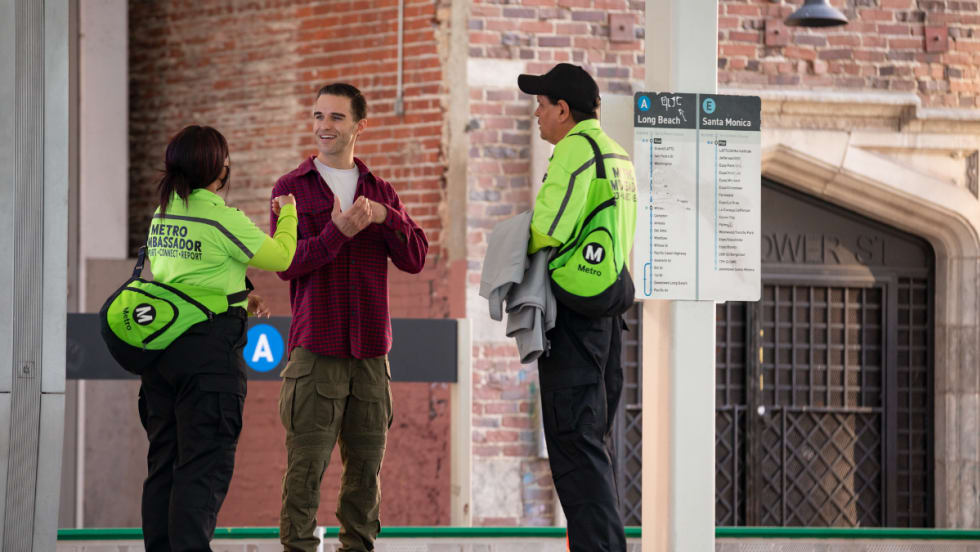
LA Metro Reports 57% Decline in Homelessness on Transit System Since 2024
The agency's latest homelessness count offers new data on how care-based services and cross-sector partnerships can complement traditional transit security strategies.
Read More →
FTA Launches 'Transit Moves America' Dashboard to Highlight Agency Safety and Performance
The online dashboard transforms National Transit Database information into a public-facing resource that allows users to compare transit agencies on key operational and safety metrics.
Read More →