




RELATED: How Transit Can Stop the Blame Game to Create a Culture of Safety
FTA issues final rules to complete fed transit safety program
The safety plan rule takes effect on July 19, 2019, and compliance with the rule is required within one year of that date.
July 18, 2018
FTA has completed the regulatory framework for the National Public Transportation Safety Program as authorized by Congress.
2 min to read
FTA has completed the regulatory framework for the National Public Transportation Safety Program as authorized by Congress.
The Federal Transit Administration (FTA) issued two final regulations to strengthen the safety of public transportation systems, the Public Transportation Agency Safety Plan rule and the Safety Certification Training Program rule. With these actions, FTA has completed the regulatory framework for the National Public Transportation Safety Program as authorized by Congress.
In 2012 and again in 2015, Congress granted FTA significant new safety authorities that expanded FTA’s role from being primarily a grant-making agency to additionally functioning as a safety oversight regulatory body.
The Public Transportation Agency Safety Plan rule requires transit agencies to incorporate Safety Management System (SMS) policies and procedures as they develop safety plans to better manage their safety risks. Since no two transit systems are alike, the rule sets scalable and flexible requirements for safety plans by imposing the appropriate regulatory burden in achieving safety goals.
SMS is a comprehensive and collaborative approach to safety and one that many transit agencies have not previously used. The safety plan rule takes effect on July 19, 2019, and compliance with the rule is required within one year of that date. In the coming months, FTA anticipates making guidance available to transit agencies that will assist in their development of safety plans and implementation of SMS. The FTA is deferring action on applicability of the rule for small and/or rural transit systems in order to evaluate the safety risks posed by these systems and to determine the need for future regulatory action.
The requirements of the Public Transportation Safety Training Certification Program rule establish a basic training curriculum to enhance the technical competencies and capabilities of individuals responsible for the safety oversight of rail transit systems. The rule takes effect on August 20, 2018. The publication of this final rule reduces the burden to the transit industry from the interim training requirements by eliminating a course requirement and allowing for equivalency training credit.
More Security and Safety

Transit Agencies Highlight Safety Gains at National Summit
Leaders from 15 major transit systems shared crime-reduction results and safety initiatives while discussing the role of continued federal support.
Read More →
DART Launches Major Security, Fare Enforcement Initiative
The 90-day demonstration will deploy coordinated security teams at five light rail stations while testing controlled access and gathering data to guide future investments.
Read More →
RTD Launches NextRide App to Consolidate Trip Planning, Fares, Security Reporting
The app expands on RTD’s existing NextRide web application and allows customers to view real-time vehicle locations and service alerts, purchase and store digital fares, and access customer support.
Read More →

TAPTCO Updates OSHA Compliance Training for Transit Maintenance Operations
The revamped program addresses 26 OSHA standards for maintenance facilities, with TAPTCO pointing to training, documentation, and everyday shop hazards as continuing challenges for transit operations.
Read More →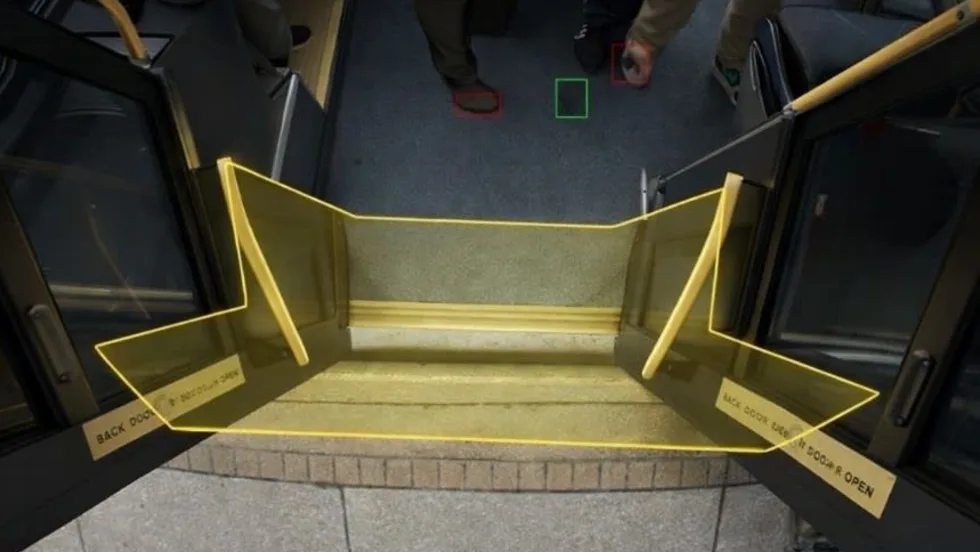
Sponsored•August 18, 2026
How VaporVision Adds Value to Transit Door Systems
Wabtec engineers explain how the system improves doorway detection, strengthens diagnostics and gives transit agencies and OEMs greater operating flexibility.
Read More →
FRA Announces $5.3B in Rail Investments, Including $2B for Amtrak
Funding will support grade-crossing improvements, infrastructure upgrades, and new Amtrak equipment in 23 states.
Read More →
Chicago, Maryland Expand Non-Law-Enforcement Safety, Rider Support
The CTA and MTA are launching new programs aimed at de-escalation, crisis response, rider assistance, and greater transparency.
Read More →
LA Metro, City of West Hollywood, and Partners Advance Smarter Bus Lane Enforcement
The award-winning partnership combines AI-powered detection with human oversight to improve bus reliability, accessibility, and enforcement efficiency.
Read More →
LA Metro Reports 57% Decline in Homelessness on Transit System Since 2024
The agency's latest homelessness count offers new data on how care-based services and cross-sector partnerships can complement traditional transit security strategies.
Read More →
FTA Launches 'Transit Moves America' Dashboard to Highlight Agency Safety and Performance
The online dashboard transforms National Transit Database information into a public-facing resource that allows users to compare transit agencies on key operational and safety metrics.
Read More →