



U. of Mich. reviewing sustainability goals
Despite the 2011 goal to reduce carbon gas emissions by 25%, university data published by the Office of Campus Sustainability show that emissions decreased in 2012, but then increased in 2013. Transportation emissions have seen consistent decreases.

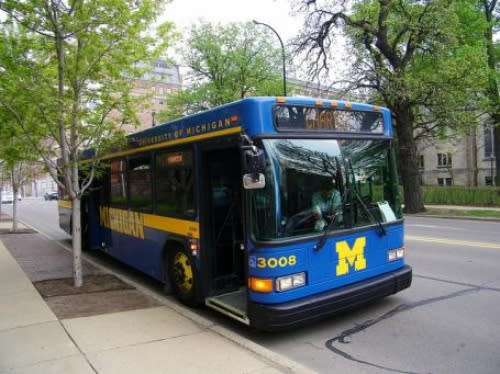

ANN ARBOR, Mich. — The University of Michigan is reviewing its sustainability goals that were created in 2011, which included five operations-focused sustainability objectives: to reduce greenhouse gas emissions, university transportation emissions and waste tonnage, to purchase sustainable food and to protect the Huron River, reported The Michigan Daily.
A letter co-signed by leaders of 50 student organizations who expressed their continued interest in the 2011 sustainability goals, which many of them helped to create, helped spur the university’s decision.
Despite the 2011 goal to reduce carbon gas emissions by 25%, university data published by the Office of Campus Sustainability show that emissions decreased in 2012, but then increased in 2013. Transportation emissions have seen decreases, but waste production has actually increased since the adoption of the goals. For the full story, click here.
More Technology
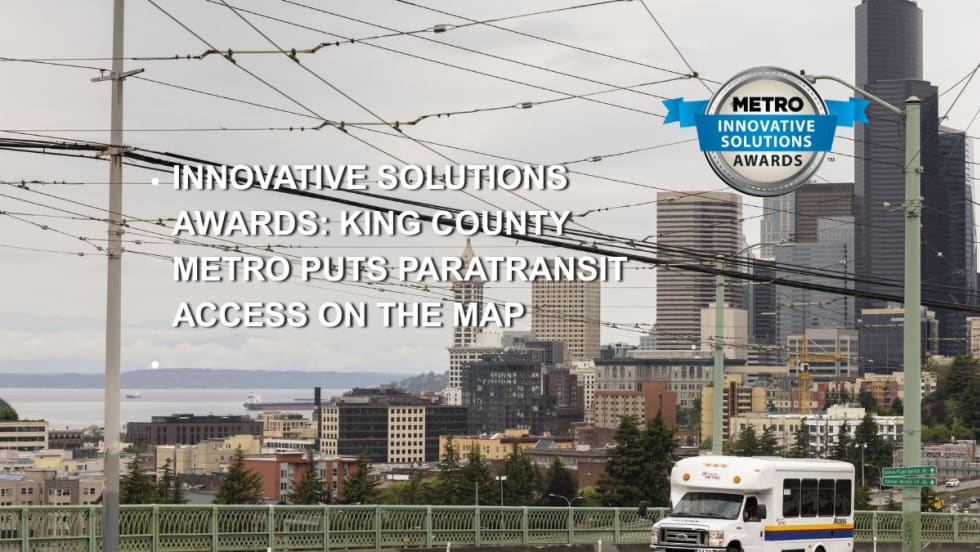
King County Metro Makes ADA Paratransit Easier to Navigate
METRO's Innovative Solutions Award winner replaces complex service-area descriptions with an accessible, interactive map that puts paratransit information directly in customers’ hands.
Read More →
TransDASH Summit Focuses on Measuring What Matters in Transit
Transit agencies unveil a national performance platform designed to benchmark customer experience, safety, community value, and other outcomes.
Read More →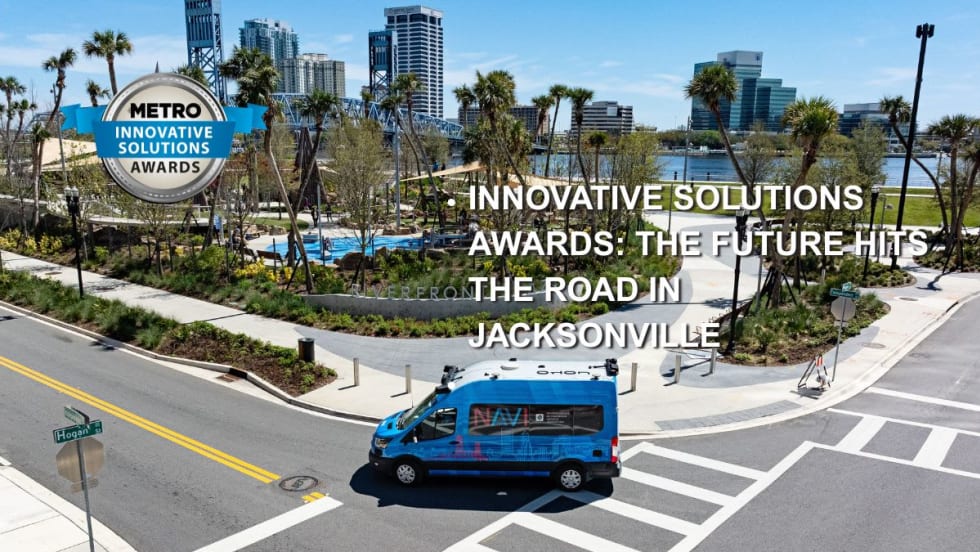
Jacksonville’s NAVI Project Charts a New Course for Autonomous Public Transportation
Through its NAVI program, JTA is showing how autonomous vehicles, intelligent infrastructure, and coordinated operations can work together to deliver everyday public transportation.
Read More →
Biz Briefs: Luminator Marks Milestone and More
From manufacturers and suppliers to transit agencies and motorcoach operators, these updates offer a snapshot of the projects, partnerships and business moves driving the industry forward.
Read More →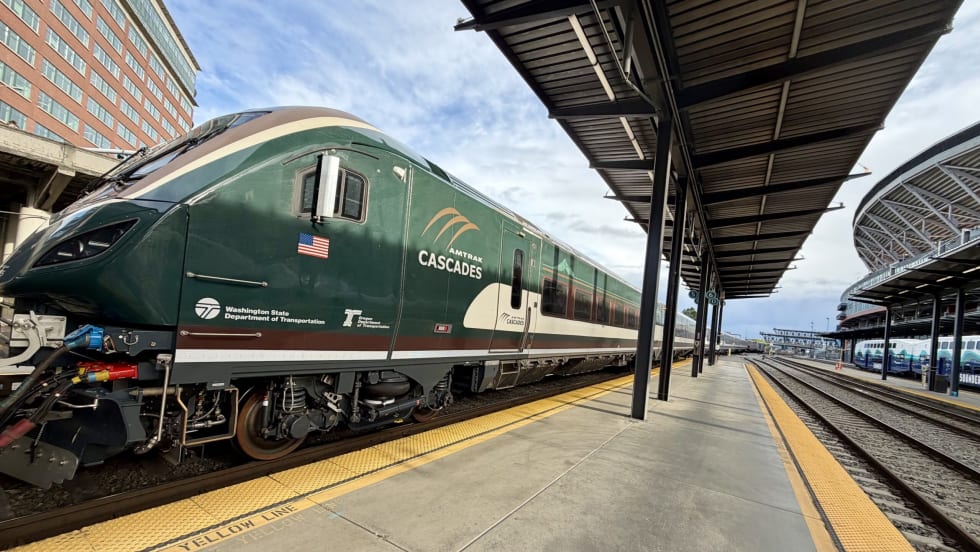
FRA Announces $5.3B in Rail Investments, Including $2B for Amtrak
Funding will support grade-crossing improvements, infrastructure upgrades, and new Amtrak equipment in 23 states.
Read More →
Finding the ‘Happy Medium’: Optimizing Maintenance Without Sacrificing Reliability
The key to maintenance optimization isn’t doing less work—it’s doing the right work at the right time on the right assets.
Read More →
LA Metro, City of West Hollywood, and Partners Advance Smarter Bus Lane Enforcement
The award-winning partnership combines AI-powered detection with human oversight to improve bus reliability, accessibility, and enforcement efficiency.
Read More →
PSTA Modernizes Workforce Management with Digital Bidding System
The award-winning Workforce Transit Modernization project replaced paper bidding with a transparent digital platform, cutting administrative effort while improving access for operators.
Read More →
New Tricks for Old Bureaucracies: Joshua Schank on Making Transit Innovation Stick
Former LA Metro Chief Innovation Officer Joshua Schank discusses why good ideas aren't enough, how transit agencies can overcome resistance to change, and why today's challenges demand more innovation.
Read More →
How Data, Strategy, and Community Engagement Are Reshaping Transit
In this edition of METROspectives, strada360 CEO Steve Lassey discusses how transit agencies can better align planning with operations, leverage data to improve decision-making, and build public trust as they prepare for the future of mobility.
Read More →