



Solar roadways, 'Internet of Things' to shape highways of the future
As well as highways evolving, the report foresees that patterns of ownership will change in the coming years, with commuters more likely to purchase access to a vehicle rather than the vehicle itself.


Arup
Future highways will be made from solar materials and will be governed by sophisticated technologies that communicate with cars, road infrastructure and GPS systems, according to a new report.
Arup’s Future of Highways report considers the consequences of themes including rapid urbanisation up to 2050 and how climate change, resource depletion and changes in human behaviour will shape our roads in the future.
INFOGRAPHIC:Future_of_Highways_infographic
“Anticipating and researching future trends will help us move towards a connected, low-carbon future, where mobility solutions put users at the heart of design and potential challenges are addressed as early as possible. The changes that this report suggests will provide safer, more reliable and more environmentally friendly highway infrastructure for generations to come," says Tony Marshall, Global Highways Leader, Arup
Surfaces could be replaced with advanced solar panels that would generate clean and renewable power, and wirelessly charge electric cars as they are driving or are parked. The panels would also contain LED lighting and heating elements to melt snow.
As well as highways evolving, the report foresees that patterns of ownership will change in the coming years, with commuters more likely to purchase access to a vehicle rather than the vehicle itself. While the number of motorized vehicles on our roads is expected to increase by three per cent annually until 2030, the use of non-motorized transport such as bikes and walking is also due to rise in popularity. Cities worldwide have already recognised this trend and have started to implement strategies to reduce congestion and support the health of their citizens through various cycle and walking schemes.
RELATED: 'Connected' Vehicle Testing Aims to Bolster Bus Safety
Electric cars are anticipated to become commonplace on the roads of the future as developments in material science will dramatically improve the performance of batteries and the potential for increased electricity storage. Fully-automated navigation systems will also enable roads to be populated by driverless cars which could change the design and operation of highways, and provide safety and environmental benefits.
VIDEO:Google self driving car test
Vehicles will become increasingly ‘intelligent’ and ‘self-aware’: a combination of the connected vehicle and the Internet of Things will enable vehicles to broadcast and receive information on traffic, speed, weather and potential safety hazards. As a result, cars will be able to travel closer together and react more quickly to variables around them. This will open the market to people previously unable to operate vehicles such as the elderly or disabled.
More New Mobility
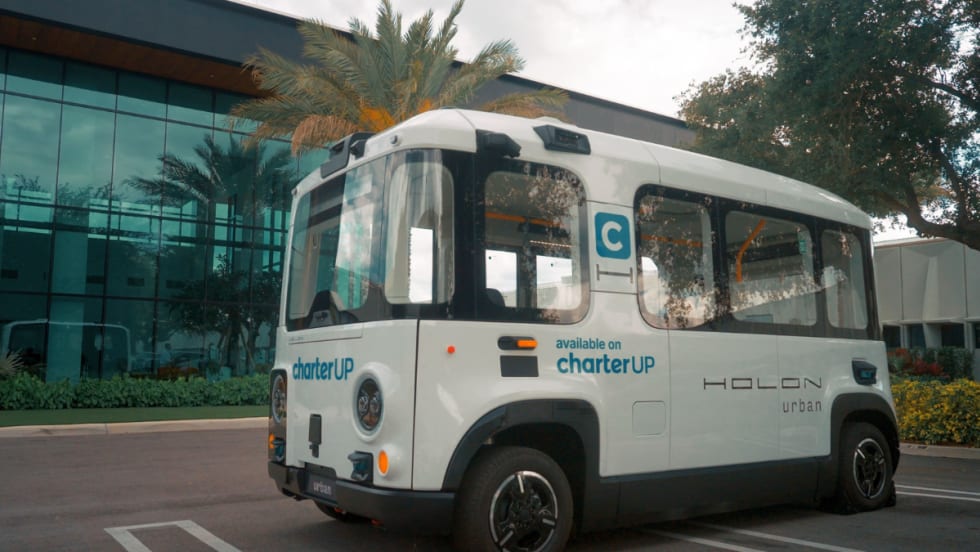
CharterUP’s Armir Harris on Technology, AI, and the Future of Group Mobility
In a recent episode of METROspectives, CharterUP Founder/CEO Armir Harris discussed the company’s evolution from an online charter bus marketplace into a technology platform supporting public- and private-sector mobility and much more.
Read More →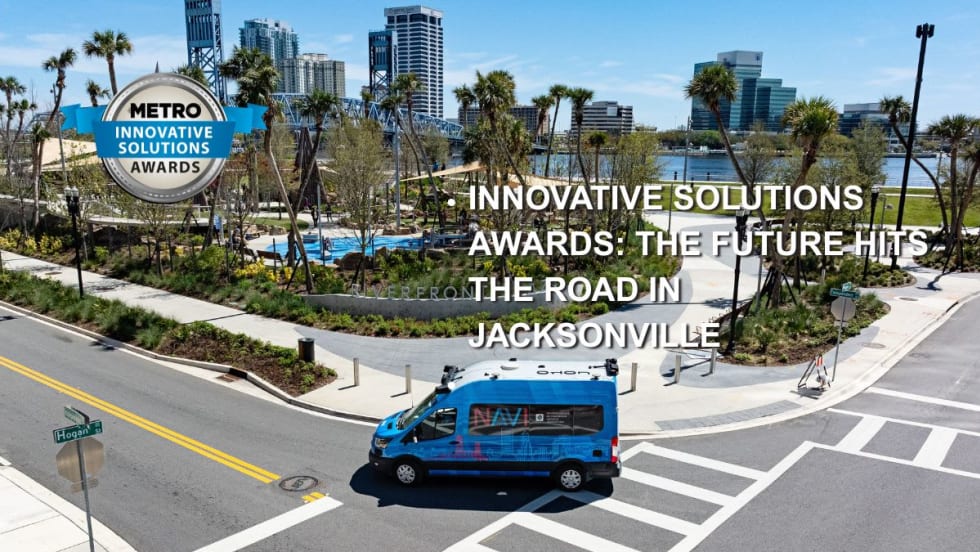
Jacksonville’s NAVI Project Charts a New Course for Autonomous Public Transportation
Through its NAVI program, JTA is showing how autonomous vehicles, intelligent infrastructure, and coordinated operations can work together to deliver everyday public transportation.
Read More →
Biz Briefs: Luminator Marks Milestone and More
From manufacturers and suppliers to transit agencies and motorcoach operators, these updates offer a snapshot of the projects, partnerships and business moves driving the industry forward.
Read More →
New Tricks for Old Bureaucracies: Joshua Schank on Making Transit Innovation Stick
Former LA Metro Chief Innovation Officer Joshua Schank discusses why good ideas aren't enough, how transit agencies can overcome resistance to change, and why today's challenges demand more innovation.
Read More →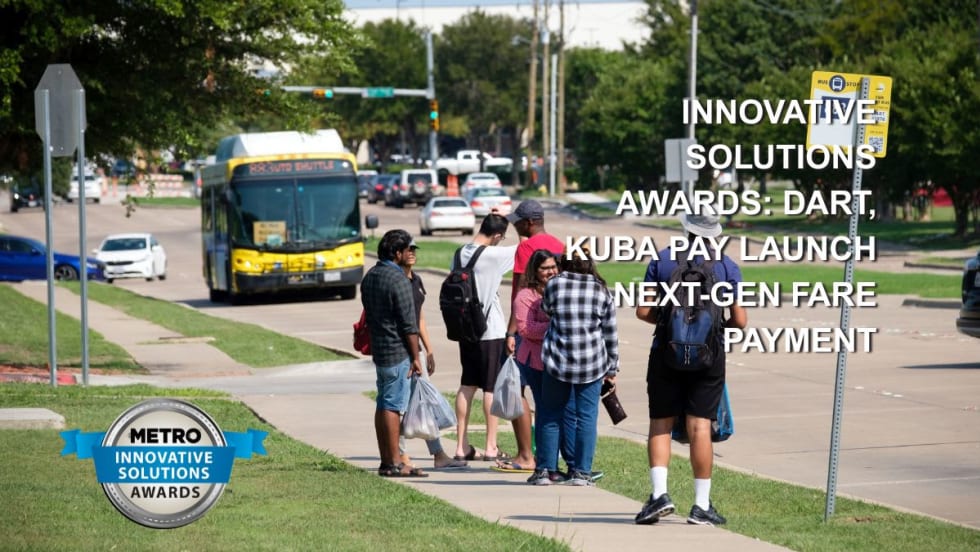
How DART's GoPass Is Redefining Regional Mobility
Serving 14 transit agencies, GoPass simplifies multimodal travel by allowing riders to plan, pay for, and manage an entire trip through one app.
Read More →
Biz Briefs: OCTA Taps Clean Energy for Hydrogen Station, Stadler to Supply Via Rail Vehicles, and More
From manufacturers and suppliers to transit agencies and motorcoach operators, these updates offer a snapshot of the projects, partnerships and business moves driving the industry forward.
Read More →CharterUP Expands Into New Mobility and Autonomous Transportation
Vice President of New Mobility Stephen Joos discusses how CharterUP is leveraging its nationwide transportation network, technology platform, and autonomous vehicle partnerships to expand into workforce mobility, campus shuttles, and transit solutions.
Read More →
METRO Magazine Announces 2026 Innovative Solutions Awards Winners
Projects Recognized for Advancing Mobility Through Technology, Accessibility, Workforce Innovation, and Operational Excellence
Read More →
Biz Briefs: STV teams with Amtrak, Motorcoach Operators Boost Fleet and Land Contracts, and More
From manufacturers and suppliers to transit agencies and motorcoach operators, these updates offer a snapshot of the projects, partnerships and business moves driving the industry forward.
Read More →
Biz Briefs: Masabi Teams with St. Louis Metro and More
In METRO's latest installment, we take a look at recent news from Transdev, Hitachi, and more partnerships making headlines across the transportation sector.
Read More →