



Proterra grows market share with new FTA grant announcements
Six transit agencies awarded grants to purchase Proterra battery-electric buses and chargers.

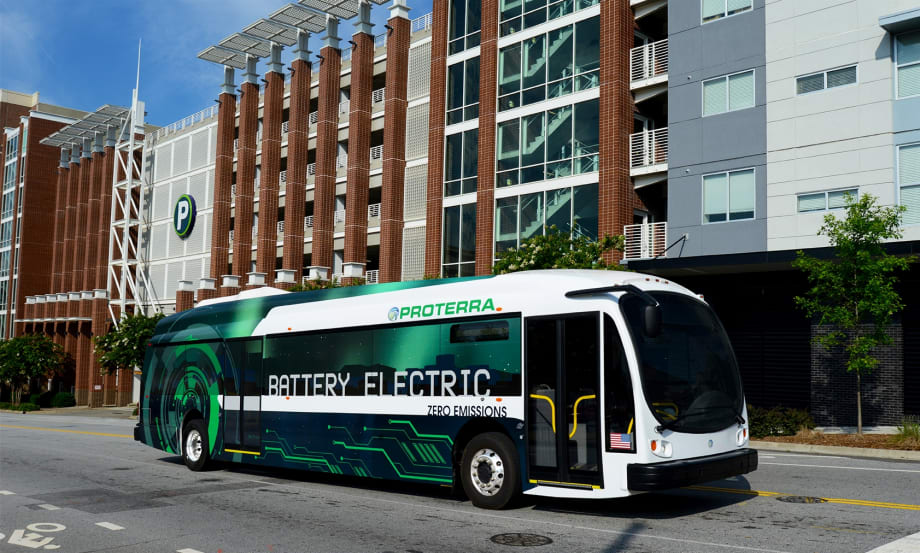
Six of the ten recent Federal Transit Administration (FTA) 5312 grant winners will use their funds to purchase Proterra EV buses and charging stations, according to the company. This grant funding will result in the sale of 28 additional battery-electric buses and 7 fast-charge stations, bringing Proterra’s total number of orders to 97 buses from 14 different transit agencies in North America.
Proterra welcomes three new customers receiving grants, including: Dallas Area Rapid Transit (DART), Dallas, which will receive 7 buses and 2 chargers; Duluth Transit Authority (DTA), Duluth, Minn., which will receive 6 buses and 1 charger; and Transit Authority of Lexington (LEXTRANS), Lexington, Ky., which will receive 5 buses and 1 charger.
Current Proterra customers receiving grants include: San Joaquin Regional Transit District (RTD), Stockton, Calif., which will receive 5 buses and 1 charger; Transit Authority of River City (TARC), Louisville, Ky., which will receive 5 buses and 1 charger; and Worcester Regional Transit Authority (WRTA), Worcester, Mass., which will receive 1 charger. RTD, TARC and WRTA already have Proterra buses in daily revenue service and have chosen to expand the electrification of their fleets based on these buses’ strong performance. Delivery of the new buses is expected to begin in early 2016.
“We are extremely pleased with the growing number of US cities that have selected Proterra as their partner in eliminating fossil fuels from their transit operations. This announcement further strengthens Proterra’s EV market leadership,” said Proterra Vice President of Sales, Matt Horton. “We also applaud the strong leadership of the Federal Transit Administration in continuing to support American innovation.”
Part of the FTA’s Safe, Accountable, Flexible, Efficient Transportation Equity Act: A Legacy for Users SAFETEA-LU program, 5312 grant funds are used to promote the development and demonstration of energy efficient buses used in public transportation.
To date, Proterra buses have logged more than 900,000 miles in revenue service in cities across the U.S. Proterra bus customers report excellent return on investment, significantly better performance than diesel buses and improved rider and community feedback. Existing Proterra customers include: San Joaquin Regional Transit District in Stockton, Calif.; Star Metro in Tallahassee, Fla.; Washoe Regional Transit District in Reno, Nev.; Nashville Metropolitan Transit Authority in Nashville, Tenn.; the City of Seneca/ Clemson Area Transit in Seneca, S.C.; VIA Metropolitan Transit in San Antonio; Foothill Transit in Pomona, Calif.; King Country Metro in Seattle; TARC in Louisville, Ky.; WRTA in Worcester, Mass.; and Transit Windsor in Windsor, Ontario, Canada.
More Technology

Exploring AI's Role in the Future of Paratransit and On-Demand Transportation
Spare's Kristoffer Vik Hansen discusses evolving rider expectations, the challenges facing transit agencies, and how artificial intelligence could help improve paratransit and on-demand mobility services.
How Rally OurBus Connects Motorcoach Operators with Event Transportation Demand
The company's crowd-powered model uses passenger reservations to shape routes, determine capacity, and create new business opportunities for independent motorcoach operators.
What Transit Maintenance Facilities Should Know About Gas-Detection Placement
Proper gas-detector placement is critical to maintaining safety in transit maintenance facilities, requiring agencies to consider fleet fuel types, ventilation, shop operations, and ongoing equipment maintenance.
People Movement: Metrolink's Kettle Announces Retirement, Feakins to CEO at UZURV, and More
In this edition, we also cover recent appointments and announcements at King County Metro, SilverRide, and more, showcasing the individuals helping to shape the future of transportation.
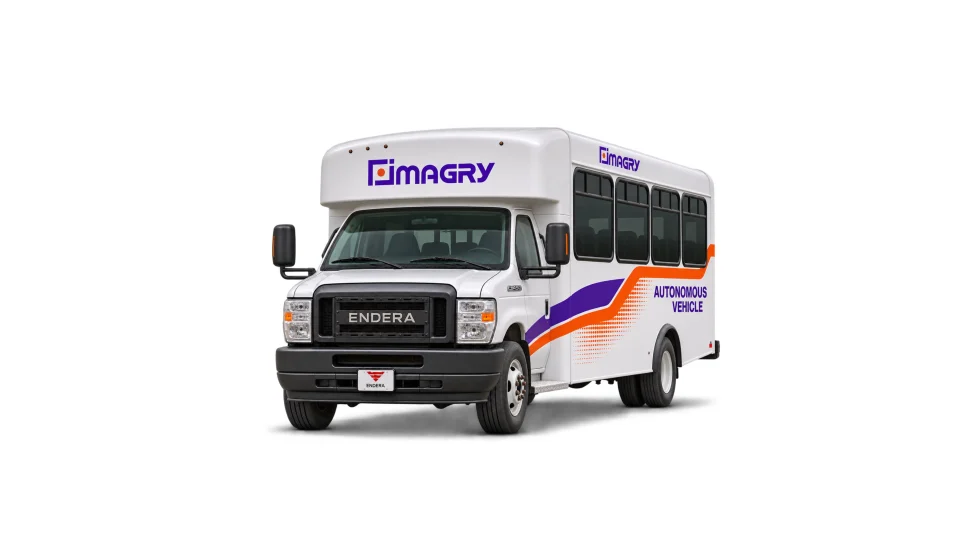
Imagry, Endera Partner for Automated Buses, Luminator Teams with Avail, and More in Biz Briefs
In METRO's latest installment, we also take a look at recent news from RIDE, Alstom, and more partnerships making headlines across the transportation sector.
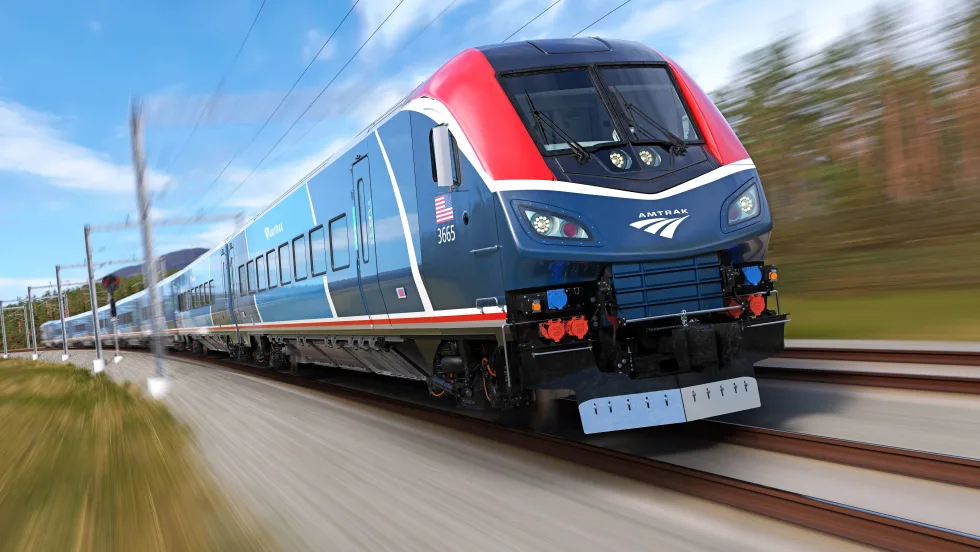
Amtrak Expands Airo Fleet with Eight Higher-Capacity Trainsets
The new 10-car trains, expected to enter service in 2031, will provide about 34% more seating capacity to meet growing demand on the Northeast Corridor.

Improving Transit Safety and Reliability Through AI
Hayden AI’s Chief Growth Officer, Charley Territo, discusses how AI-powered camera enforcement is helping transit agencies keep bus lanes and stops clear, improve accessibility, and move from pilot programs to full-scale deployments.

STraffic Expands North American Presence with Fare Collection Technology
John Moon, Associate Director, Product Strategy at STraffic, discusses the company's growth in North America, its efforts to reduce fare evasion, and more.

Laketran Cuts Fuel Costs, Boosts Efficiency with Propane-Powered Fleet
The Ohio transit agency is using propane-powered vehicles and on-site fueling infrastructure to cut fuel and maintenance costs while meeting growing demand for paratransit services.

Right-Sizing Rural Transit: Lessons from North Grenville’s On-Demand Model
A small municipality shows how flexible service, rider needs, and public accountability can expand mobility with limited resources.