



SF Muni rolls out first New Flyer 'buses of the future'
Sixty brand new electric trolley buses will replace buses that have been in operation for over two decades. Concurrently, through unanimous Board of Supervisors approval, the SFMTA has purchased 61 new biodiesel-electric hybrid buses. The combined purchases are part of the agency’s five-year plan to replace the entire bus fleet.

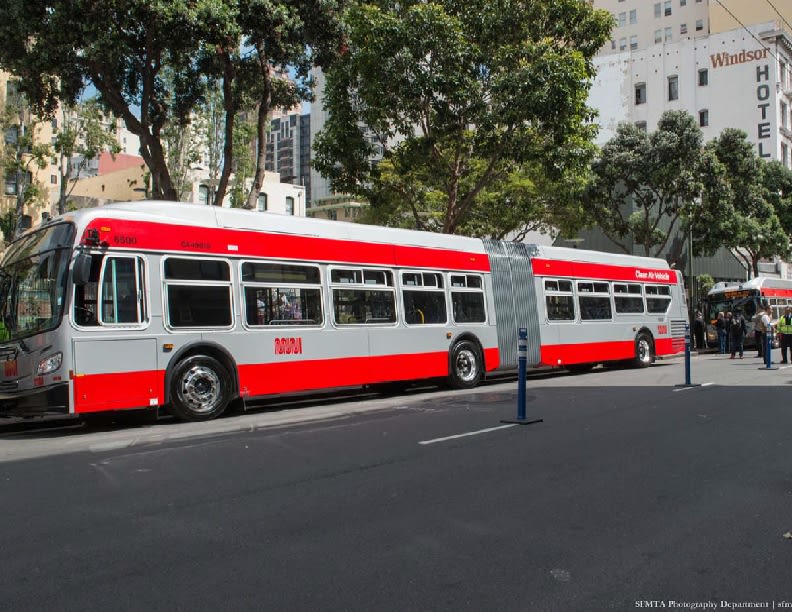
SFMTA
SFMTA
The San Francisco Municipal Transportation Agency (SFMTA), which oversees all transportation in the city, including the Municipal Railway (Muni) took delivery of its first New Flyer Industries electric trolley and biodiesel-electric hybrid buses.
The two state-of-art buses represent the next phase of upgrades for SFMTA’s aging vehicle fleet. Sixty brand new electric trolley buses will replace buses that have been in operation for over two decades. Concurrently, through unanimous Board of Supervisors approval, the SFMTA has purchased 61 new biodiesel-electric hybrid buses. The combined purchases are part of the agency’s five-year plan to replace the entire bus fleet.
The new hybrids will run on B20: a blend of diesel and biodiesel, which is made from recycled oil and fat. The new trolleys will operate on 100% hydro-electric power. All of SFMTA’s electricity is hydropower – supplied from the Hetch Hetchy Reservoir and is carbon neutral. Muni now has one of the most diverse transit fleets in the world and is also the cleanest multimodal fleet in California.
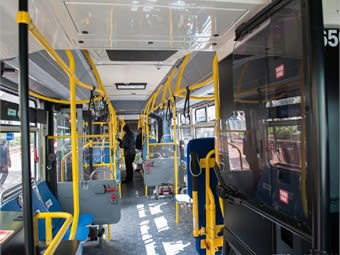
SFMTA
This sweeping overhaul of Muni’s bus fleet is made possible by a combination of funding. The electric trolley bus purchase is backed by federal, state, Proposition K funds and other local support. The total purchase cost is $94,950,444. The biodiesel hybrid bus funds include Federal Transit Administration grants, AB644 bridge tolls, Proposition K and Proposition B funds. The total purchase contract is $68 million.
The SFMTA has been given notice to proceed with the procurement of 200 standard (40-foot buses) and up to 163 articulated low-floor biodiesel-electric hybrid buses. The base order is for 61 buses; the remaining purchases would occur in phases over the next six years.
More Technology
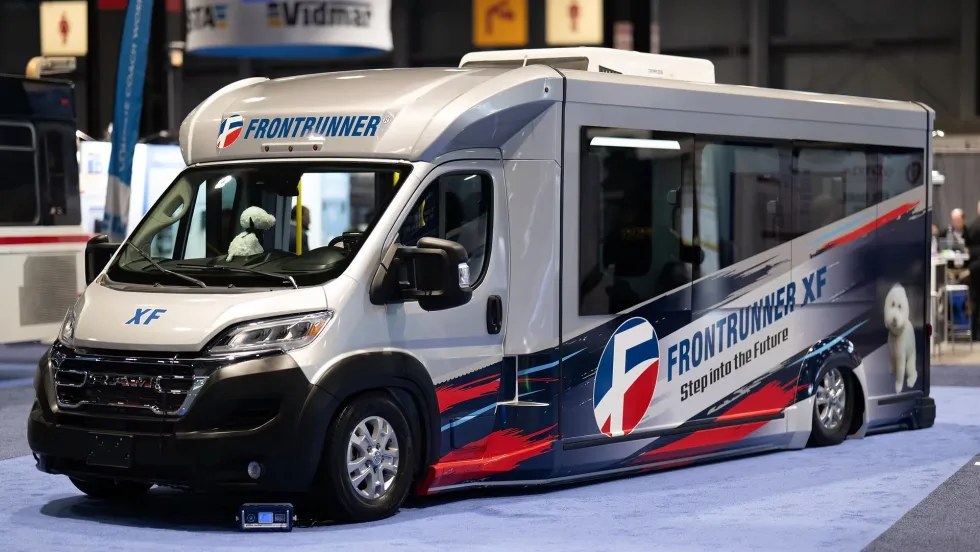
Frontrunner Bus Group Introduces XF Low-Floor Bus with Enhanced Accessibility
The new mid-sized bus features a full flat-floor design, eight-inch curbside step-in height, and zero-entry rear ramp to improve passenger access and operational flexibility.
Read More →
Building a Flexible Path to Transit Electrification with BAE's John Hroncich
John Hroncich discusses BAE Systems’ modular and scalable approach, lessons learned from decades of real-world operations, and how agencies can identify electrification strategies that fit their fleets.
Read More →
Scenes from APTA TRANSform & EXPO 2026
Transit leaders, manufacturers, and industry professionals gathered in Chicago to explore new technologies, share ideas, and discuss the future of public transportation.
Read More →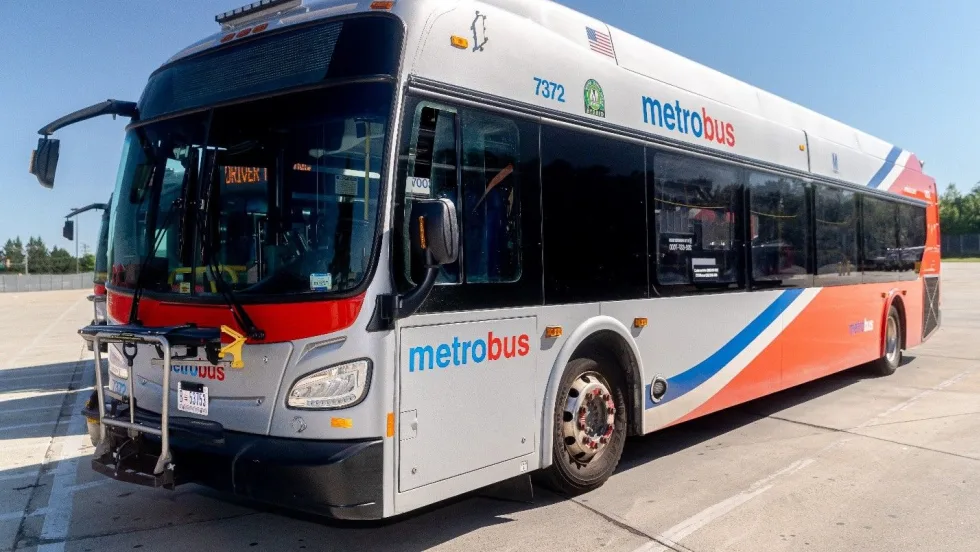
Biz Briefs: New Flyer Secures Additional 100-Bus Order from WMATA and More
In METRO's latest installment, we also take a look at recent news from Masabi, MCI, Samsara, and more partnerships making headlines across the transportation sector.
Read More →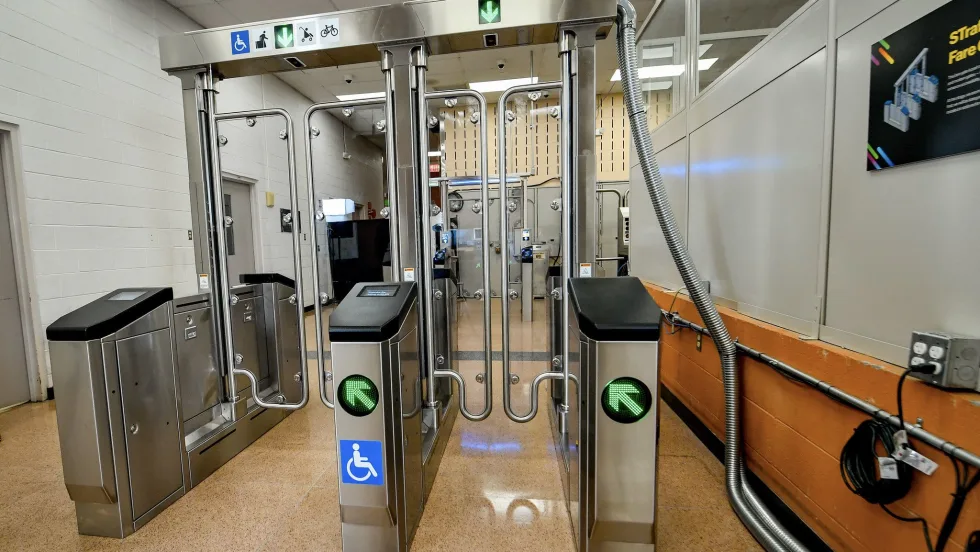
MTA Fare Gate Pilot Reduces Fare Evasion by 35%
Following a 20-station pilot, the agency plans to install new fare gates at 20 additional subway stations as part of a $1.1 billion modernization initiative.
Read More →
California Law Extends AC Transit’s Bus Lane Camera Enforcement
The new law allows AC Transit to continue using forward-facing bus cameras to enforce parking violations in bus-only lanes and at bus stops.
Read More →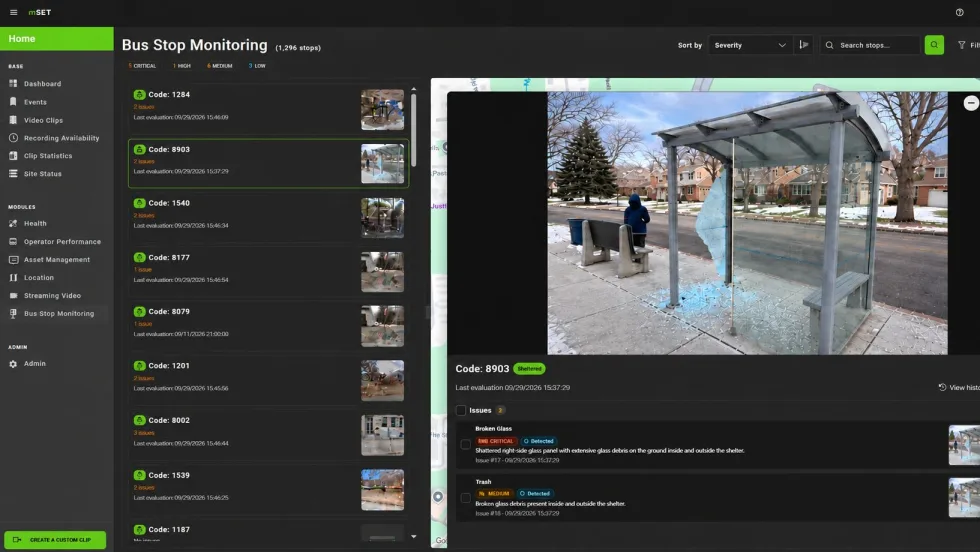
Biz Briefs: Luminator Launches AI Technology to Monitor Bus Stop Conditions and More
In METRO's latest installment, we also take a look at recent news from Masabi, Troman Industries, ioki, CCW, and more partnerships making headlines across the transportation sector.
Read More →
Public Transit Conference Returning to GFX in 2027, Call for Papers Now Open
The Call for Papers is now open, allowing transit agency professionals and industry experts to help shape the PTC educational program by submitting session ideas for consideration.
Read More →
ENC Lands MATA Contract and More in Biz Briefs
In this edition of Biz Briefs, we spotlight the latest developments shaping the future of mobility.
Read More →
Strada360’s Steve Lassey on Turning Transit Data Into Better Decisions
From breaking down data silos to preparing for AI, Strada360 CEO Steve Lassey discusses how transit agencies can use technology to improve operations, customer information, and long-term decision-making.
Read More →