



XL Hybrids expands product line with GM Cutaway/Cab Chassis
The new product would allow universities, transit agencies and for-hire transportation companies that use small shuttle buses to easily cut fuel costs while supporting sustainability efforts.

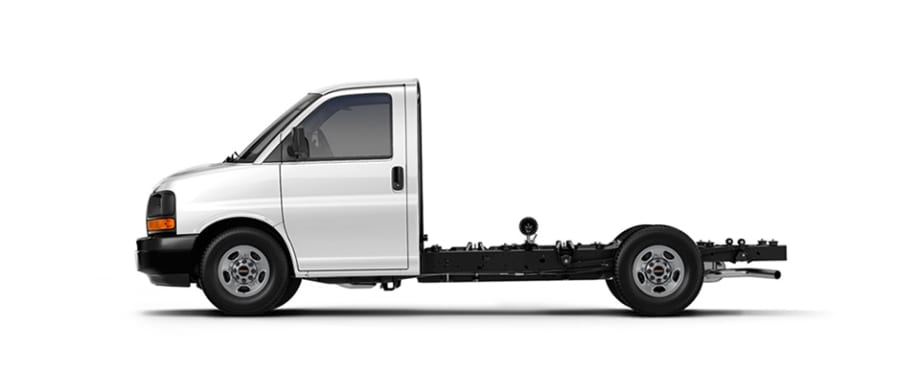

XL Hybrids Inc., a provider of fleet electrification solutions for commercial and municipal fleets, announced its XL3 Hybrid Electric Drive System is now available for the GM 3500/4500 Cutaway/Cab Chassis beginning with model year 2011 vehicles.
The new product would allow universities, transit agencies and for-hire transportation companies that use small shuttle buses to easily cut fuel costs while supporting sustainability efforts. For fleets that use FTA funding, the XL3 can be purchased by transit agencies for less than $5,000, and is the lowest cost hybrid system offering a payback in less than two years.
By introducing the GM Cutaway/Cab Chassis into the product lineup, which includes the Ford E350/E450 Cutaway/Cab Chassis and the new Ford Transit passenger van, XL Hybrids is now in production with solutions for the two most popular OEM platforms for shuttle buses and passenger vans, as well as walk-in vans, and utility bodies.
“Adding the new GM Cutaway solidifies our position as the only hybrid electric powertrain provider that offers a single solution to fleets using Class 2-4 vehicles from the major OEMs like Ford and GM,” said Clay Siegert, VP/co-founder of XL Hybrids. “With this new product, XL Hybrids covers more than 75 percent of the shuttle bus market, where fleet vehicles drive high mileage on low MPG routes.”

The XL3 Hybrid System is compatible with all available wheelbases offered by bus manufacturers, including GM Cutaway single and double rear wheels. The XL3 can be installed as a retrofit or a new upfit for 4.8L and 6.0L gas engines providing 20% fuel and CO2 savings, according to the company.
Unlike other alternative fuel systems, the XL3 adds less than 400 pounds to the vehicle and is designed for the added weight to be evenly distributed allowing for better axle loading. The GM OEM factory warranty stays intact, while the XL3 hybrid powertrain components are covered by a three-year, 75,000 mile warranty.
XL Hybrids continues to move ahead of the competition with hybrid-electric powertrain solutions that are in production, achieving more than 10 million customer miles with greater than 99.9% vehicle uptime. The XL3 technology has zero impact on fleet operations and service and requires no special plugs, charging or refueling stations. The hybrid-electric system has a fast adoption rate for commercial fleets since there is no driver training or infrastructure requirements. The vehicles more than pay for themselves without the need for incentives.
Special financing options through Priority One Financial Services Inc. allow XL Hybrids’ customers to retrofit current fleet vehicles and pay for the hybrid system over time. Customers can also refinance their existing vehicles or order new vans and buses with the XL3 Hybrid Electric Drive System.
More Technology

From Hardware to Digital Partner: Luminator Charts Its Next Chapter
CEO Magnus Friberg discusses Luminator’s shift toward becoming a digital partner, the growing importance of software and interoperability, and how AI can help agencies improve operations and passenger experience.
Read More →
Beyond the Checklist: A Structured Approach to Transit Maintenance
Reliability-Centered Maintenance helps transit agencies move beyond routine checklists to focus limited resources on the assets and failures that have the greatest impact on safety, reliability, and service.
Read More →
NJ TRANSIT Advances Bus Technology Upgrades Across Statewide Fleet
More than 1,500 buses now feature upgraded technology designed to improve arrival predictions and provide free Wi-Fi, with deployment expected to reach nearly 2,000 buses by the end of 2026.
Read More →

Building a Flexible Path to Transit Electrification
John Hroncich discusses BAE Systems’ modular and scalable approach, lessons learned from decades of real-world operations, and how agencies can identify electrification strategies that fit their fleets.
Read More →
Biz Briefs: Alstom Lands Canadian Contract, LYT to Supply California TSP, and More
In METRO's latest installment, we take a look at recent news from Complete Coach Works, Beep, FlixBus, and more partnerships making headlines across the transportation sector.
Read More →
From Legacy Silos to Conversational Intelligence
What if transit leaders could ask any operational question and get a trusted answer in seconds? Conversational AI is transforming how agencies use their data.
Read More →
USDOT Announces Rail Vehicle Replacement Grants, Chattanooga AV Shuttle Funding
More than $191 million in federal funding will help three transit agencies replace aging rail vehicles and support a new autonomous shuttle service in Chattanooga.
Read More →
Bus Tech Talk: Keeping Transit Technicians Ahead of the Technology Curve
LA Metro’s Obed Mejia discusses technician training, evolving maintenance technology, fleet replacement, and strategies for getting the most out of today’s transit fleets.
Read More →
Biz Briefs: RIPTA Unveils New Frontrunners, Clevland RTA Adds New Siemens, and More
In METRO's latest installment, we take a look at recent news from Siemens, Prevost, Dodge, and more partnerships making headlines across the transportation sector.
Read More →
Why Simulating Pedestrian Movement Has Become Essential for Modern Rail Stations
Pedestrian microsimulation is helping rail planners identify bottlenecks, test station designs, and prepare complex transit hubs for growing passenger volumes.
Read More →