




RELATED: Driverless shuttle experiment hits ground at Calif. campus
Self-driving electric bus begins testing on public roads
Cameras, radar sensors and laser sensors provide the WEpod with correct information on its surroundings so that it can anticipate necessary actions.
January 28, 2016

WEpod
2 min to read
WEpod
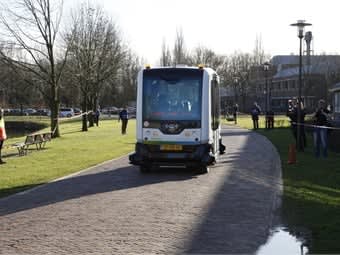
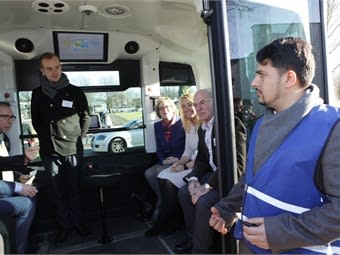
AMSTERDAM — An electric, driverless shuttle bus will take to the Dutch public roads on Thursday, rolling six passengers along a 200 meter (yard) stretch of road in the first trial of its kind worldwide, Reuters reported.
The WePod, one of a fleet to be rolled out in coming years, will ride back and forth in the central Dutch agricultural town of Wageningen, the report said.
WEpod
At 8 kilometers (5 miles) per hour, it's not going to set a speed record, "but an unmanned vehicle has never been used on public roads," the project's technical director, Jan Willem van der Wiel, said. "This is a milestone," according to Reuters.
For the full story, click here.
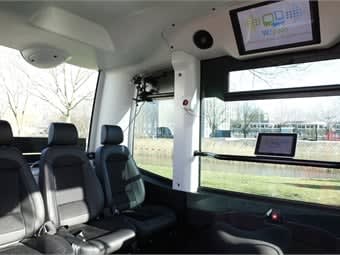
WEpods are driverless vehicles that do not have a steering wheel or pedals. They are fully automated and are electrically powered. Main features:
6-person cabin, automated door and platform lift for wheelchairs
Height 275 cm, width 199 cm, length 393 cm, wall-to-wall turning circle 9 m
Maximum speed 25mph (in the test phase the WEpod drives at 5 mph)
Electrically powered with a range of approximately 62 miles
WEpod
Navigation
Good navigation is vital for self-driving vehicles if they are to follow a route safely and reliably. To this end, a special highly detailed map of the route is made. In addition to the layout of the road, this map also displays all visible objects (trees, lampposts, etc.). The vehicle’s exact travel line is projected on the map and the (maximum) speed for each section of the road is set down. Such a map is something completely new; its exact definition was developed in this project.
WEpod
Safety
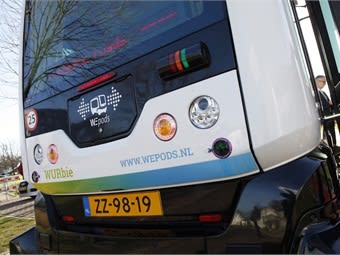
Cameras, radar sensors and laser sensors provide the WEpod with correct information on its surroundings so that it can anticipate necessary actions. Various on-board computers combine all the data and give commands, including to the braking and steering systems. In this way, the vehicle can respond to other roads users and sudden changes. An operator in the control room receives a signal at certain pre-defined points and if the vehicle stops. The operator then examines the situation with the vehicle and initiates the appropriate action. While inside the WEpod, passengers can also contact the control room at any given moment.
More New Mobility
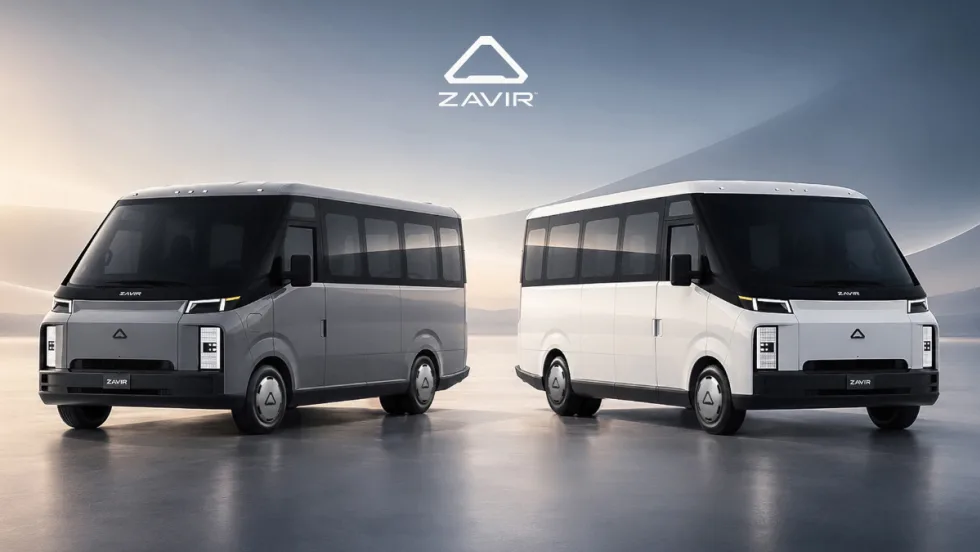
ENC Unveils ZAVIR Medium-Duty Electric Shuttle at APTA EXPO
The new ZAVIR brand targets shuttle and paratransit operations with battery-electric and range-extended electric vehicle options.
Read More →
Public Transit Conference Returning to GFX in 2027, Call for Papers Now Open
The Call for Papers is now open, allowing transit agency professionals and industry experts to help shape the PTC educational program by submitting session ideas for consideration.
Read More →
Everett Transit, Community Transit Outline Consolidation Agreement
The proposed agreement calls for a 50% increase in bus service in Everett, a new microtransit zone, continued paratransit service, and the transfer of Everett Transit operations to Community Transit.
Read More →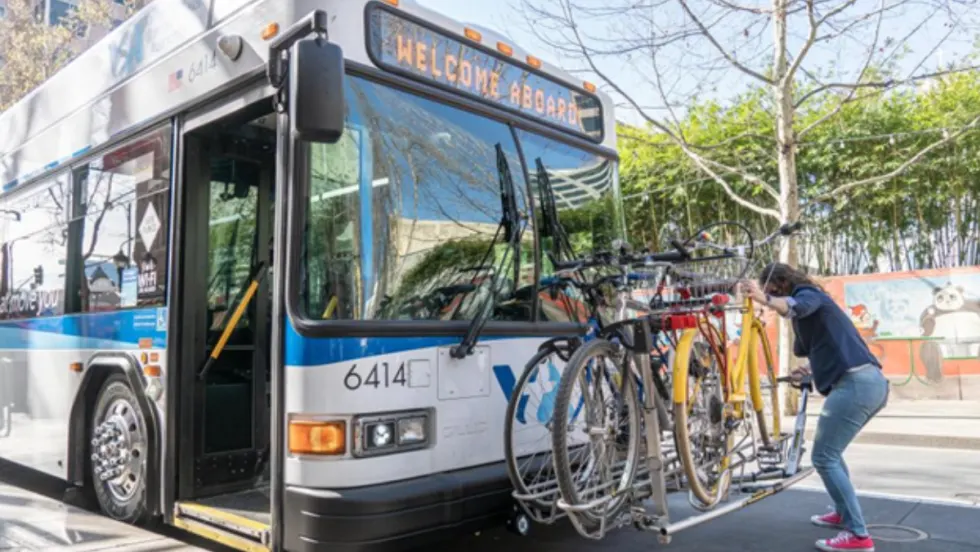
What Multimodal Data Can Tell Transit Agencies About Rider Demand
See how bike-on-bus data is giving transit agencies new insight into rider demand, capacity constraints, and gaps in first- and last-mile connections.
Read More →
From Hardware to Digital Partner: Luminator Charts Its Next Chapter
CEO Magnus Friberg discusses Luminator’s shift toward becoming a digital partner, the growing importance of software and interoperability, and how AI can help agencies improve operations and passenger experience.
Read More →
Biz Briefs: Alstom Lands Canadian Contract, LYT to Supply California TSP, and More
In METRO's latest installment, we take a look at recent news from Complete Coach Works, Beep, FlixBus, and more partnerships making headlines across the transportation sector.
Read More →
CharterUP’s Armir Harris on Technology, AI, and the Future of Group Mobility
In a recent episode of METROspectives, CharterUP Founder/CEO Armir Harris discussed the company’s evolution from an online charter bus marketplace into a technology platform supporting public- and private-sector mobility and much more.
Read More →
Jacksonville’s NAVI Project Charts a New Course for Autonomous Public Transportation
Through its NAVI program, JTA is showing how autonomous vehicles, intelligent infrastructure, and coordinated operations can work together to deliver everyday public transportation.
Read More →
Biz Briefs: Luminator Marks Milestone and More
From manufacturers and suppliers to transit agencies and motorcoach operators, these updates offer a snapshot of the projects, partnerships and business moves driving the industry forward.
Read More →
New Tricks for Old Bureaucracies: Joshua Schank on Making Transit Innovation Stick
Former LA Metro Chief Innovation Officer Joshua Schank discusses why good ideas aren't enough, how transit agencies can overcome resistance to change, and why today's challenges demand more innovation.
Read More →