




RELATED: SARTA, OSU unveil first of 10 hydrogen fuel-cell buses
Roadmap positions midwest as possible leader in hydrogen transportation, job creation
The roadmap is collaboration between SARTA, RHFCC, and CALSTART, an organization dedicated to clean and efficient transportation solutions, and was commissioned to support future funding proposals for regional vehicle deployment.
September 14, 2017
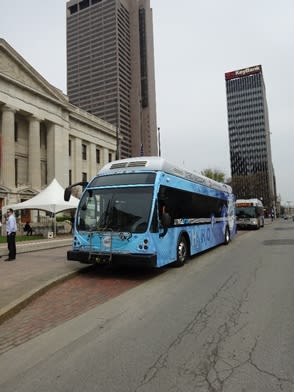
In addition to vehicle deployment, the roadmap outlines a process to move toward renewable hydrogen production and projects the potential for 65,000 new jobs and 250 hydrogen stations.
SARTA
2 min to read
In addition to vehicle deployment, the roadmap outlines a process to move toward renewable hydrogen production and projects the potential for 65,000 new jobs and 250 hydrogen stations.
SARTA
Clean transportation in the Midwest could get a boost from zero-emission hydrogen fuel-cell electric vehicles, according to a new roadmap released by the Stark Area Regional Transit Authority (SARTA) and the Renewable Hydrogen Fuel Cell Collaborative (RHFCC).
The roadmap is collaboration between SARTA, RHFCC, and CALSTART, an organization dedicated to clean and efficient transportation solutions, and was commissioned to support future funding proposals for regional vehicle deployment.
With adequate funding, the roadmap lays out a 15-year plan of action to deploy 135,000 fuel cell electric vehicles — trucks, buses, and cars releasing zero greenhouse gases and proven twice as efficient as those powered by internal combustion engines. SARTA is already implementing the early phase of the roadmap, with 15 fuel-cell buses planned for deployment in the Stark County, Ohio, area by the end of 2017.
"By aligning its resources and building on its leading expertise in automotive manufacturing and related services, the Midwest region can become a dominant player, enjoying strong job growth in the process," said Fred Silver, VP, CALSTART.
The strategy behind the roadmap is based on the early deployment of technology-ready commercial vehicles to enable the hydrogen refueling infrastructure, which will make way for the long-term rollout of public light-duty cars.
In addition to vehicle deployment, the roadmap outlines a process to move toward renewable hydrogen production and projects the potential for 65,000 new jobs and 250 hydrogen stations, bolstering the region's fueling and manufacturing infrastructure.
The roadmap prioritizes major metropolitan areas for initial deployment and infrastructure. Ohio, in particular, hosts a robust network of fuel-cell component and material suppliers, ranging from cell manufacturers to integrators to end users. The state has become the third largest site for fuel-cell electric buses in the nation.
"With Ohio leading the charge for deploying commercially ready fuel cell vehicles, a zero-emission future will become a reality," said Dr. James Durand, director, RHFCC.
A full copy of the roadmap is available here.
More Technology
MTA Fare Gate Pilot Reduces Fare Evasion by 35%
Following a 20-station pilot, the agency plans to install new fare gates at 20 additional subway stations as part of a $1.1 billion modernization initiative.
Read More →
California Law Extends AC Transit’s Bus Lane Camera Enforcement
The new law allows AC Transit to continue using forward-facing bus cameras to enforce parking violations in bus-only lanes and at bus stops.
Read More →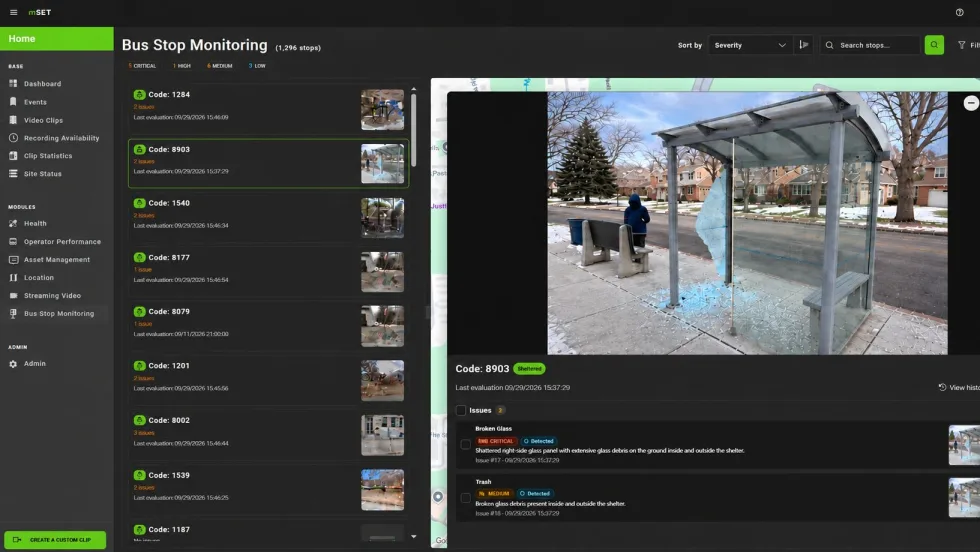
Biz Briefs: Luminator Launches AI Technology to Monitor Bus Stop Conditions and More
In METRO's latest installment, we also take a look at recent news from Masabi, Troman Industries, ioki, CCW, and more partnerships making headlines across the transportation sector.
Read More →
Public Transit Conference Returning to GFX in 2027, Call for Papers Now Open
The Call for Papers is now open, allowing transit agency professionals and industry experts to help shape the PTC educational program by submitting session ideas for consideration.
Read More →
ENC Lands MATA Contract and More in Biz Briefs
In this edition of Biz Briefs, we spotlight the latest developments shaping the future of mobility.
Read More →
Strada360’s Steve Lassey on Turning Transit Data Into Better Decisions
From breaking down data silos to preparing for AI, Strada360 CEO Steve Lassey discusses how transit agencies can use technology to improve operations, customer information, and long-term decision-making.
Read More →
Almaviva Looks to Open Architecture to Advance Transit Technology
Eric Reese discusses how interoperability, open architecture, and modular design can help transit agencies control costs, reduce vendor lock-in, and upgrade technology without starting over.
Read More →
Driving Smarter Paratransit
John Hanlon shares how AlphaRoute is leveraging AI-powered technology to help paratransit providers optimize operations, support frontline staff, and enhance the rider experience.
Read More →
From Hardware to Digital Partner: Luminator Charts Its Next Chapter
CEO Magnus Friberg discusses Luminator’s shift toward becoming a digital partner, the growing importance of software and interoperability, and how AI can help agencies improve operations and passenger experience.
Read More →
Beyond the Checklist: A Structured Approach to Transit Maintenance
Reliability-Centered Maintenance helps transit agencies move beyond routine checklists to focus limited resources on the assets and failures that have the greatest impact on safety, reliability, and service.
Read More →