



Cummins, GILLIG announce electrified power partnership
The technical collaboration work focuses on integrating and optimizing new battery-electric technology from Cummins that will soon power GILLIG zero-emissions transit buses.

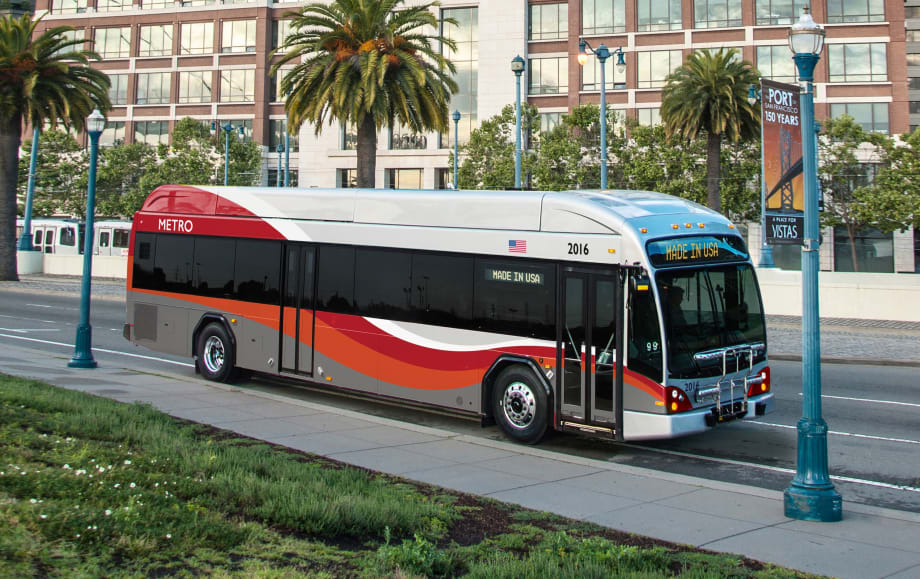
Cummins currently powers the GILLIG series of Low Floor, BRT, BRTPlus, Commuter, and Trolley buses with a broad portfolio of clean-diesel, near-zero natural gas, and diesel-hybrid power.
Cummins currently powers the GILLIG series of Low Floor, BRT, BRTPlus, Commuter, and Trolley buses with a broad portfolio of clean-diesel, near-zero natural gas, and diesel-hybrid power.
GILLIG LLC and Cummins Inc. announced their electrified power partnership at APTA EXPO in Atlanta. The technical collaboration work focuses on integrating and optimizing new battery-electric technology from Cummins that will soon power GILLIG zero-emissions transit buses.
The technical development agreement was announced by Derek Maunus, president of GILLIG, and Amy Boerger, Cummins VP, sales North America.
“GILLIG has a very strong business relationship with Cummins — and now, with our new technical partnership, we have been able to share our respective technology roadmaps and jointly develop a vision to deliver the most comprehensive, advanced technology battery-electric bus in the market for our customers,” said Maunus. “We have leveraged our companies’ decades of heavy duty transit experience in the design of the system, and will integrate this advanced technology into GILLIG’s industry leading proven platform."
Boerger commented, “The Cummins electrified powertrain on show here at APTA represents a major leap forward for the industry, and we are delighted that GILLIG will have first access to this important zero-emissions technology. The partnership enables a close technical collaboration so we can accelerate system integration and performance optimization work to leap ahead of others in the industry.”
Initial development work for the new battery electric GILLIG bus envisions a 200-mile operating range on a single charge. The bus will feature a direct-drive traction motor with peak torque of 3500 Nm (2,582 lbs.-ft), and utilize energy recovered from a regenerative braking system. A package of e-accessories will be powered by the Cummins system. The initial bus deployment will use a plug-in charger.
“Beyond the technical development work, the partnership will also encompass the full range of 24/7 service support, diagnostics, over-the-air connectivity, flexible warranty plans and training programs ready for when these GILLIG electric buses enter service,” said Boerger.
“At Cummins, we see our customer support network as equally important as the technology we provide to ensure the success of our customers — and this is a major advantage we will carry forward when we introduce electrified systems,” added Boerger.
Cummins currently powers the GILLIG series of Low Floor, BRT, BRTPlus, Commuter, and Trolley buses with a broad portfolio of clean-diesel, near-zero natural gas, and diesel-hybrid power. The addition of Cummins electrified power systems to the bus range will align with transit customers looking to introduce zero-emissions buses to their fleets while still maintaining commonality with their existing GILLIG vehicles and service support provision.
"Cummins and GILLIG have been working together since the 1950s to introduce innovative bus power solutions — and I am really excited to be continuing that success forward into the new era of electric buses,” noted Maunus.
More Technology

Scenes from APTA TRANSform & EXPO 2026
Transit leaders, manufacturers, and industry professionals gathered in Chicago to explore new technologies, share ideas, and discuss the future of public transportation.
Read More →
Biz Briefs: New Flyer Secures Additional 100-Bus Order from WMATA and More
In METRO's latest installment, we also take a look at recent news from Masabi, MCI, Samsara, and more partnerships making headlines across the transportation sector.
Read More →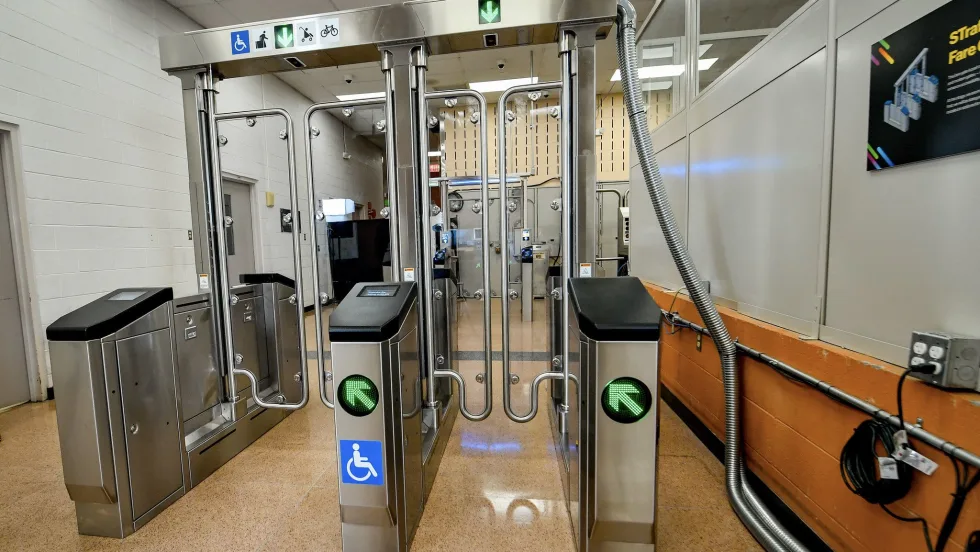
MTA Fare Gate Pilot Reduces Fare Evasion by 35%
Following a 20-station pilot, the agency plans to install new fare gates at 20 additional subway stations as part of a $1.1 billion modernization initiative.
Read More →
California Law Extends AC Transit’s Bus Lane Camera Enforcement
The new law allows AC Transit to continue using forward-facing bus cameras to enforce parking violations in bus-only lanes and at bus stops.
Read More →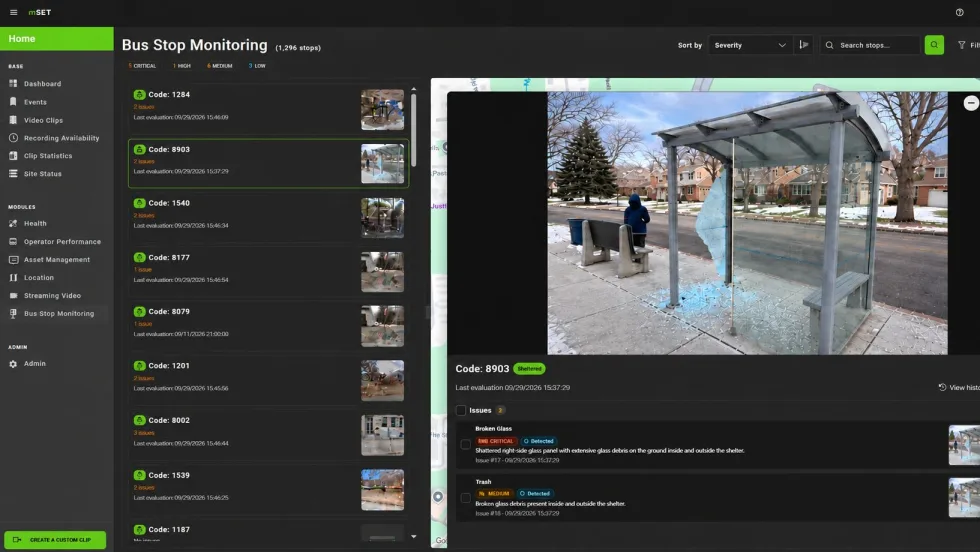
Biz Briefs: Luminator Launches AI Technology to Monitor Bus Stop Conditions and More
In METRO's latest installment, we also take a look at recent news from Masabi, Troman Industries, ioki, CCW, and more partnerships making headlines across the transportation sector.
Read More →
Public Transit Conference Returning to GFX in 2027, Call for Papers Now Open
The Call for Papers is now open, allowing transit agency professionals and industry experts to help shape the PTC educational program by submitting session ideas for consideration.
Read More →
ENC Lands MATA Contract and More in Biz Briefs
In this edition of Biz Briefs, we spotlight the latest developments shaping the future of mobility.
Read More →
Strada360’s Steve Lassey on Turning Transit Data Into Better Decisions
From breaking down data silos to preparing for AI, Strada360 CEO Steve Lassey discusses how transit agencies can use technology to improve operations, customer information, and long-term decision-making.
Read More →
Almaviva Looks to Open Architecture to Advance Transit Technology
Eric Reese discusses how interoperability, open architecture, and modular design can help transit agencies control costs, reduce vendor lock-in, and upgrade technology without starting over.
Read More →
Driving Smarter Paratransit
John Hanlon shares how AlphaRoute is leveraging AI-powered technology to help paratransit providers optimize operations, support frontline staff, and enhance the rider experience.
Read More →