Europe's FlixBus to pilot electric buses on long-distance routes
Beginning in April, the first all-electric Flix-E-Buses will begin test operations with the premiere route between Paris and Amiens, France. The second Flix-E-Bus will hit the road between Hessen and Baden-Württemberg, Germany, in Summer 2018.
In addition to international lines, approximately 140 new destinations will be added in German-speaking countries alone, with further connections planned across the 26 other markets in which FlixBus currently operates.
FlixBus
2 min to read
In addition to international lines, approximately 140 new destinations will be added in German-speaking countries alone, with further connections planned across the 26 other markets in which FlixBus currently operates.
FlixBus
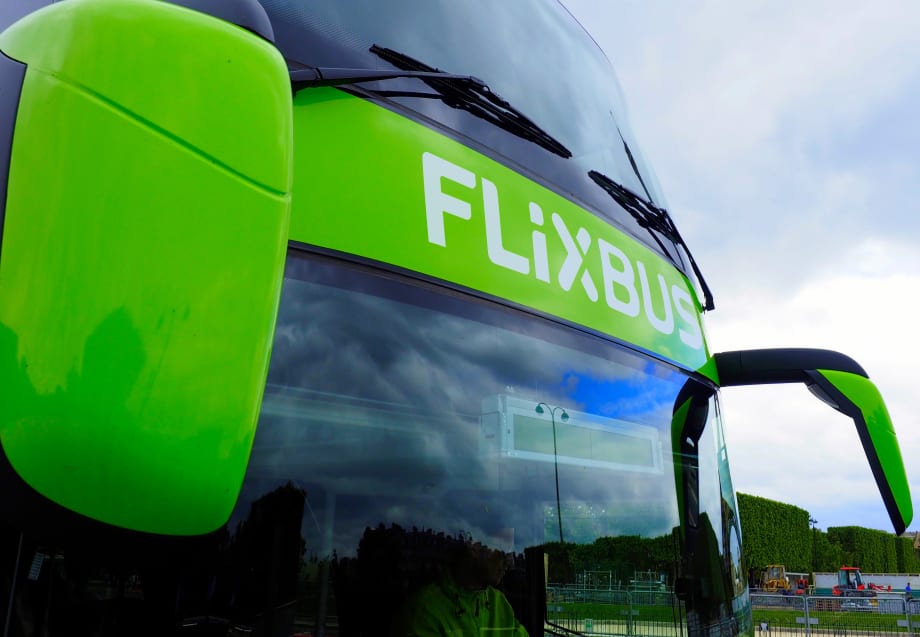
FlixBus, Europe’s largest long-distance mobility provider, is now investing in E-Mobility as the first company in the world to test E-Buses on their long-distance bus routes. Beginning in April, the first all-electric Flix-E-Buses will begin test operations with the premiere route between Paris and Amiens, France. The second Flix-E-Bus will hit the road between Hessen and Baden-Württemberg, Germany, in Summer 2018 as part of the German domestic network expansion for summer travelers.
"We want to help shape the future of mobility. Although e-buses are currently much more expensive to buy, we are convinced that this will be a worthwhile investment in the long run, for our company, our customers, and the environment,” said André Schwämmlein, founder/CEO of FlixBus. “As a provider, we are demonstrating that this is a potential turning point in mobility. Likewise, the first all-electric long-distance bus is a signal to bus manufacturers to drive innovation and develop alternatives to pure diesel vehicles. Sustainable mobility is not only about driving business but is also about the social and environmental aspects of traveling."
Ad Loading...
The long-distance bus is one of the most environmentally-friendly modes of transportation available today, thanks to a modern fleet and the ability to fill large capacities within each vehicle. People who choose bus over car for longer routes reduce their CO2 emissions by 80%.
“The current trend is moving away from private car travel and towards shared mobility options such as buses,” said Schwämmlein. “FlixBus is proud to be a pioneer in helping to propel this change and reliance on transportation with fossil fuels by providing some of the most climate-friendly mobility options in Europe.”
FlixBus will continue to invest in grid expansion in the coming months. In addition to international lines, approximately 140 new destinations will be added in German-speaking countries alone, with further connections planned across the 26 other markets in which FlixBus currently operates.
To fulfill the company mission of providing smart and green mobility for everyone to experience the world, FlixMobility is preparing for two major milestones with the launch of FlixTrain, the first long-distance green train, on March 23 in Germany and the launch of FlixBus USA beginning in Los Angeles in Spring 2018.
Now in its latest edition, the awards recognize forward-thinking solutions that improve safety, operational efficiency, sustainability, rider experience, and overall system performance.
Menard discusses how data-driven signal prioritization is improving efficiency, reliability, and ridership, while offering insight into the innovations driving the next generation of smart mobility. Together, they explore how technology and collaboration are paving the way for a more connected, sustainable future in transit.
The pilot program showcases two companies’ technology at eight bus stops. The companies submitted their ideas through the Transit Tech Lab, which is backed by the Partnership Fund for New York City and provides an accelerated pathway for early to growth-stage companies to solve public transportation challenges for the largest transit agencies in North America.
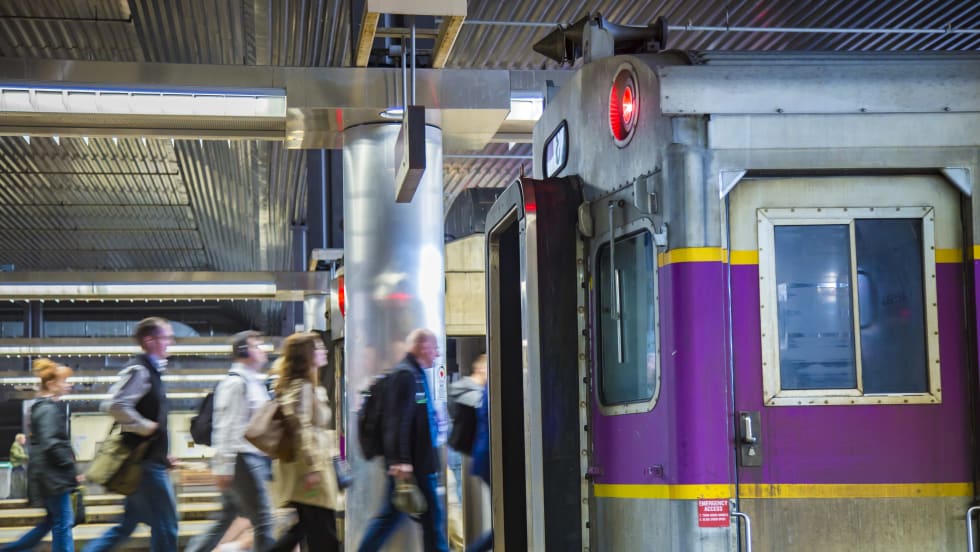
To accomplish this work, the MBTA announced that four phases of temporary evening service changes will begin on February 28 and continue through April.
In this edition of Biz Briefs, we highlight the latest developments shaping the future of mobility — from manufacturers and technology providers to transit agencies and motorcoach service operators.
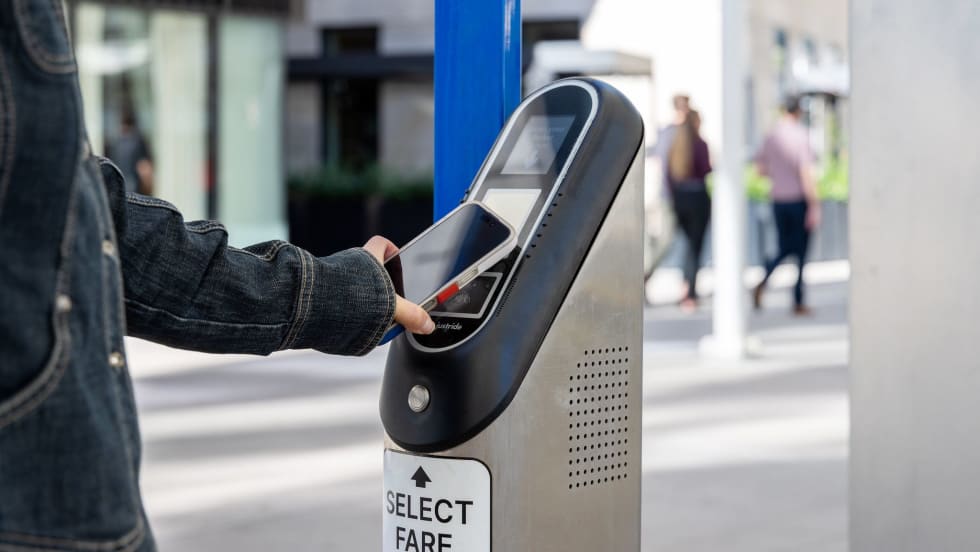
RTD aims to have 15% of all fare payments by individual customers made via Tap-n-Ride by the end of 2026, as awareness of this contactless payment option grows.