




RELATED: Fare payment upgrades leverage latest tech advances
Vix Technology to equip Edmonton transit systems with 'smart' ticketing
The 15-year contract that will move the three cities from a cash and paper-based ticketing system to a common contactless fare payment system utilizing an account-based back office.
July 6, 2017
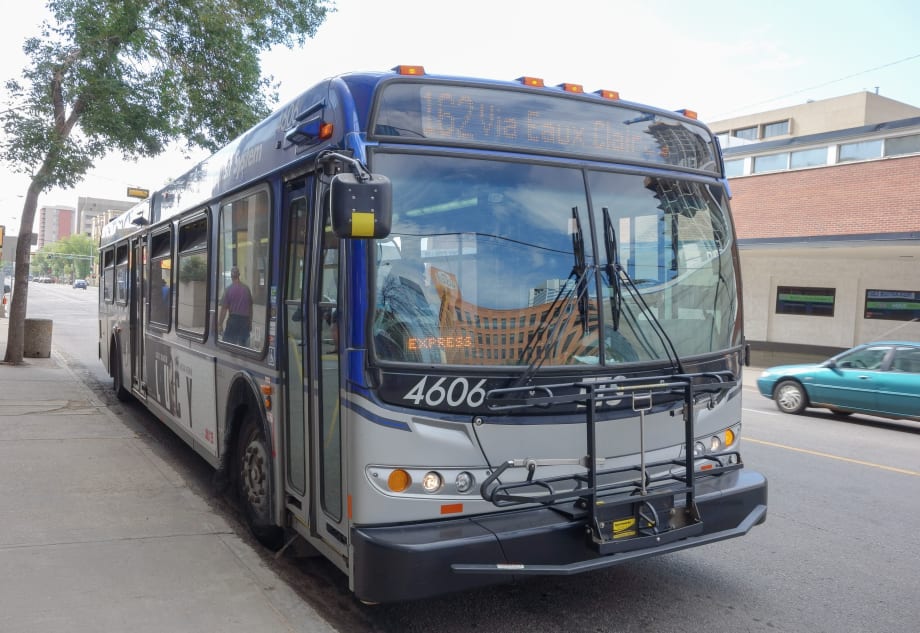
The new system will move fare calculations and settlement to the back office, offer payment convenience for riders and allow the three Edmonton metropolitan region cities’ transit agencies to collect real-time data. Image via Vix.
2 min to read

Vix Technology has been selected by three city partners in the Edmonton metropolitan region, which includes the City of Edmonton, Strathcona County and City of St. Albert, to implement a new advanced Regional Smart Fare Solution (RSFS).
The RSFS is a 15-year contract that will move the three cities from a cash and paper-based ticketing system to a common contactless fare payment system utilizing an account-based back office. The RSFS initiative is made up of multiple components, and Vix will design, build, operate, and maintain the entire solution, inclusive of front-end equipment, back-office infrastructure, smart card media and more for the duration of the contract.

The Vix solution will move fare calculations and settlement to the back office, offer payment convenience for riders and allow the three Edmonton metropolitan region cities’ transit agencies to collect real-time data. And with the Vix solution, the open architecture platform allows for scalability and integration and a standards-based approach.
This new system will incorporate open payments, which allows riders flexible payment options, including contactless EMV cards, branded retail prepaid cards, or agency or third party-issued transit cards.
Some of the most recent contracts awarded to Vix include a contract by the Malaysian Government’s public transport regulator (SPAD) to unify payments for the country’s multiple transit operators under a single transport ticketing system, and a new, comprehensive fare payment system for the Dallas Area Rapid Transit.
More Technology
Sponsored•August 2, 2026
Turn Transit Data Into Action
Discover how leading agencies are using connected technology to gain real-time visibility across operations, improve service reliability, and reduce disruptions.
Read More →
Biz Briefs: OCTA Taps Clean Energy for Hydrogen Station, Stadler to Supply Via Rail Vehicles, and More
From manufacturers and suppliers to transit agencies and motorcoach operators, these updates offer a snapshot of the projects, partnerships and business moves driving the industry forward.
Read More →
CharterUP Expands Into New Mobility and Autonomous Transportation
Vice President of New Mobility Stephen Joos discusses how CharterUP is leveraging its nationwide transportation network, technology platform, and autonomous vehicle partnerships to expand into workforce mobility, campus shuttles, and transit solutions.
Read More →
METRO Magazine Announces 2026 Innovative Solutions Awards Winners
Projects Recognized for Advancing Mobility Through Technology, Accessibility, Workforce Innovation, and Operational Excellence
Read More →
Cummins Introduces Phased Model Year 2027 Launch Strategy
According to officials, the approach is designed to maintain regulatory compliance, support customer production schedules, and provide additional time to ramp production in a disciplined manner that helps ensure a successful transition for the industry.
Read More →
Biz Briefs: STV teams with Amtrak, Motorcoach Operators Boost Fleet and Land Contracts, and More
From manufacturers and suppliers to transit agencies and motorcoach operators, these updates offer a snapshot of the projects, partnerships and business moves driving the industry forward.
Read More →
DART Taps Nathaniel P. Ford Sr. as Next President/CEO
Since 2012, Ford has served as the CEO of the Jacksonville Transportation Authority
Read More →
AC Transit’s Cecil Blandon on Building the Next Generation of Transit Maintenance Leaders
The agency’s maintenance chief discusses leadership, workforce development, zero-emission technology, and preparing technicians for the future of public transportation.
Read More →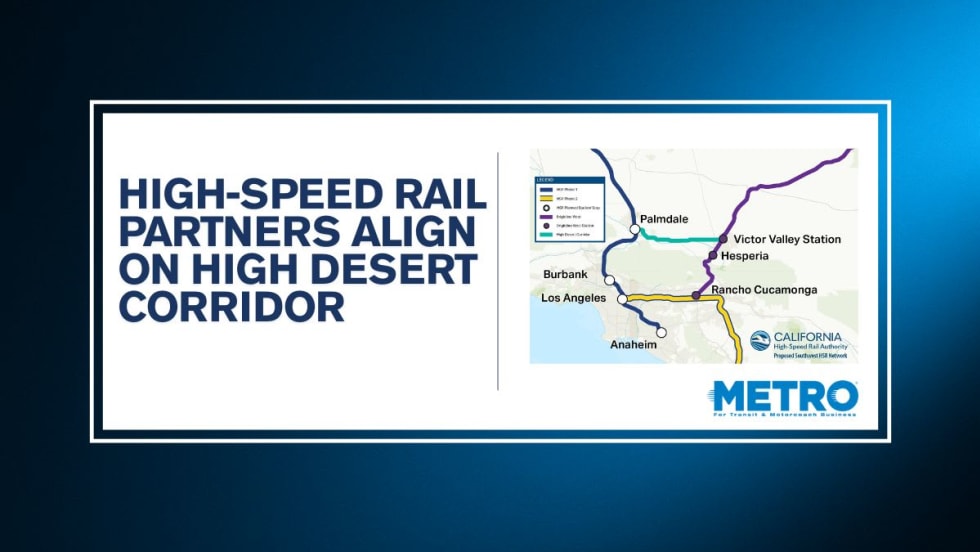
California High-Speed Rail Authority Signs MOU to Advance High Desert Corridor
The agreement deepens collaboration between the California High-Speed Rail Authority and the High Desert Corridor Joint Powers Agency, supporting design integration, cost savings, and faster delivery of a key Southern California rail link.
Read More →
Building the Next Generation of Transit Technology
In this edition of METROspectives, Luminator CEO Magnus Friberg discusses the company's transformation, the growing role of AI and software, and what's next for transit technology.
Read More →