



MCI's all-electric J4500e coach successfully completes phase 1 testing
The all-electric J4500e coach is on schedule for January 2020 production and orders are being taken now.


Motor Coach Industries (MCI), the U.S. subsidiary of New Flyer Industries Inc., announced that its all-electric J4500e prototype successfully completed its phase one testing. The coach ran flawlessly at both low and high speeds up to a sustained 70 mph on the highway.
The news means that MCI, which pioneered green fuel solutions with early entries in CNG and diesel-electric more than a decade ago, will add North America’s best-selling motorcoach to its list of environmental breakthroughs. The all-electric J4500e coach is on schedule for January 2020 production and orders are being taken now.
The electric architecture incorporated in the MCI J4500e features a high-torque Siemens 2130 LB FT electric drive system with a planned range to meet long-distance applications, Nickel Manganese Cobalt (NMC) battery at 450 kWh with high power plug-in battery charging to 100% in under three hours. MCI will also apply its battery-electric platform to the D45 CRT LE Commuter Coach followed by the electric 35-foot MCI J giving operators the most comprehensive choices in purpose-built, all-electric coaches.
“We’re enormously pleased by these early test results — our all-electric J4500e delivered smooth power across varied roadways and impressive results in acceleration, handling and ride quality,” said JP Pelletier, VP, MCI Engineering. He observed how the electric motor lessens interior cabin noise, increasing passenger comfort. The J4500e regenerative braking, specifically designed to feel like the brakes on a clean-diesel coach, also performed as intended. “MCI has covered electric territory before with hyrbid diesel-electric coaches built in early 2000s that are still in service, but with the all-electric platform, we’re benefitting from New Flyer’s long time, battery-electric low-floor transit expertise,” said Pelletier.
Added MCI President Ian Smart, “We foresee our all-electric J4500e as the next frontier for MCI, with our MCI D45 CRT LE offering the same electric propulsion platform. Our customers will also have attractive electric charging options with MCI — they can work with us on standard depot charging, on-route systems or a multi-charge design.”
Smart explained that optional choices are productive because charging access still varies by community and route requirements. “Thanks to New Flyer’s and MCI’s complementary experience in electric, MCI is set to offer the most reliable, comfortable, efficient, and passenger-friendly electric coaches to private and public operators anywhere in North America. Our customers expect workhorse performance, and we will deliver it.”
MCI will now move its all-electric J4500 test to Northern California, where public and private operators are eyeing all-electric expansion for their key customers. Major Silicon Valley technology employers are expanding their own private coach shuttle systems attractive to millennial workforces. Success in this market requires a deep understanding of how employer operators will be using these coaches.
“The time-tested reliability of the J4500 coach matched to an all-electric powertrain and charging methods adopted from New Flyer battery electric Xcelsior Charge is a powerful benefit– we’re able to closely collaborate with customers to provide the optimal electric propulsion and charging solution based on their exact usage and scheduling needs,” said Patrick Scully, executive VP, sales and marketing, at MCI.
More Technology
Turn Transit Data Into Action
Discover how leading agencies are using connected technology to gain real-time visibility across operations, improve service reliability, and reduce disruptions.
Read More →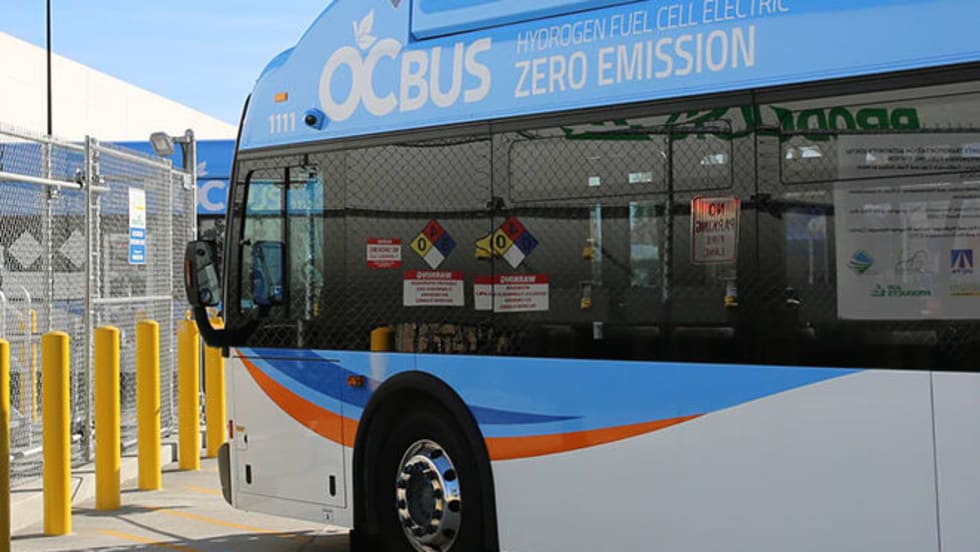
Biz Briefs: OCTA Taps Clean Energy for Hydrogen Station, Stadler to Supply Via Rail Vehicles, and More
From manufacturers and suppliers to transit agencies and motorcoach operators, these updates offer a snapshot of the projects, partnerships and business moves driving the industry forward.
Read More →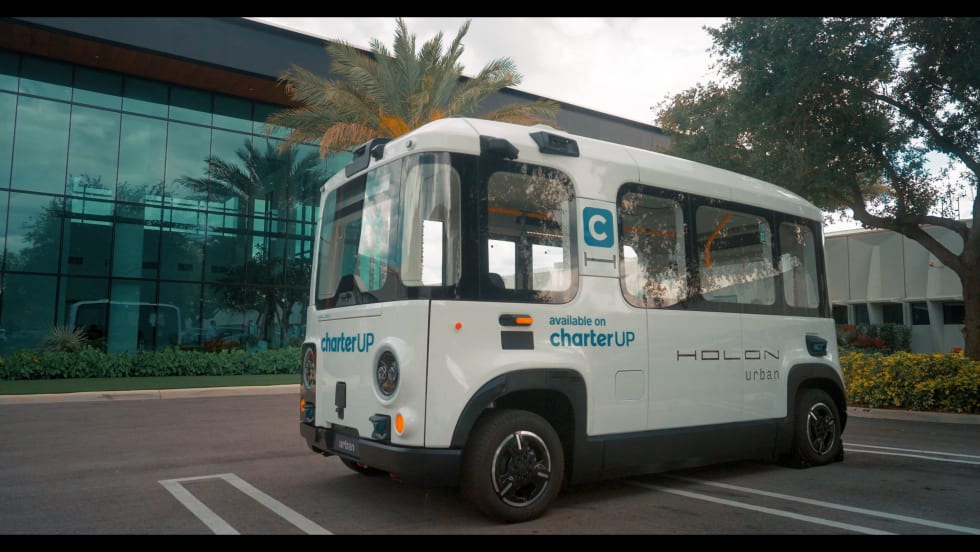
CharterUP Expands Into New Mobility and Autonomous Transportation
Vice President of New Mobility Stephen Joos discusses how CharterUP is leveraging its nationwide transportation network, technology platform, and autonomous vehicle partnerships to expand into workforce mobility, campus shuttles, and transit solutions.
Read More →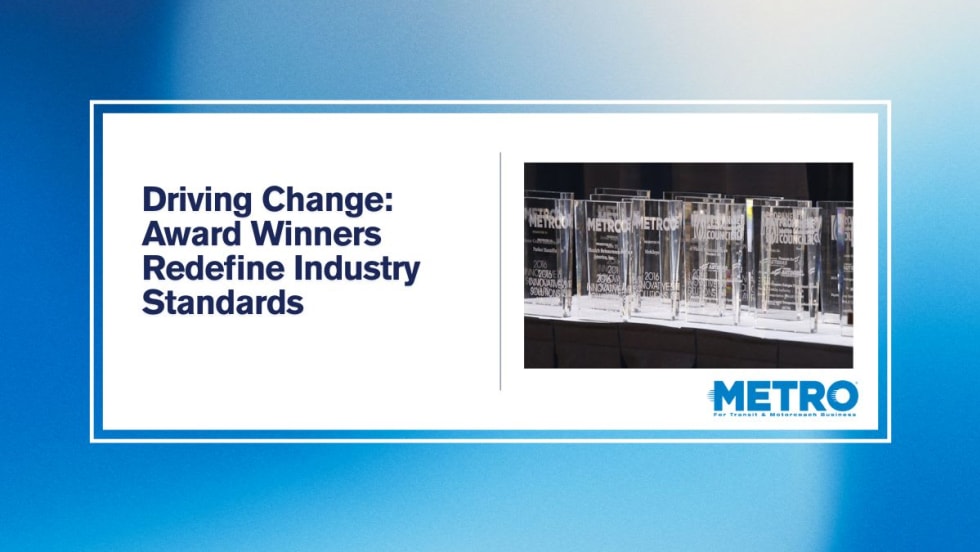
METRO Magazine Announces 2026 Innovative Solutions Awards Winners
Projects Recognized for Advancing Mobility Through Technology, Accessibility, Workforce Innovation, and Operational Excellence
Read More →
Cummins Introduces Phased Model Year 2027 Launch Strategy
According to officials, the approach is designed to maintain regulatory compliance, support customer production schedules, and provide additional time to ramp production in a disciplined manner that helps ensure a successful transition for the industry.
Read More →
Biz Briefs: STV teams with Amtrak, Motorcoach Operators Boost Fleet and Land Contracts, and More
From manufacturers and suppliers to transit agencies and motorcoach operators, these updates offer a snapshot of the projects, partnerships and business moves driving the industry forward.
Read More →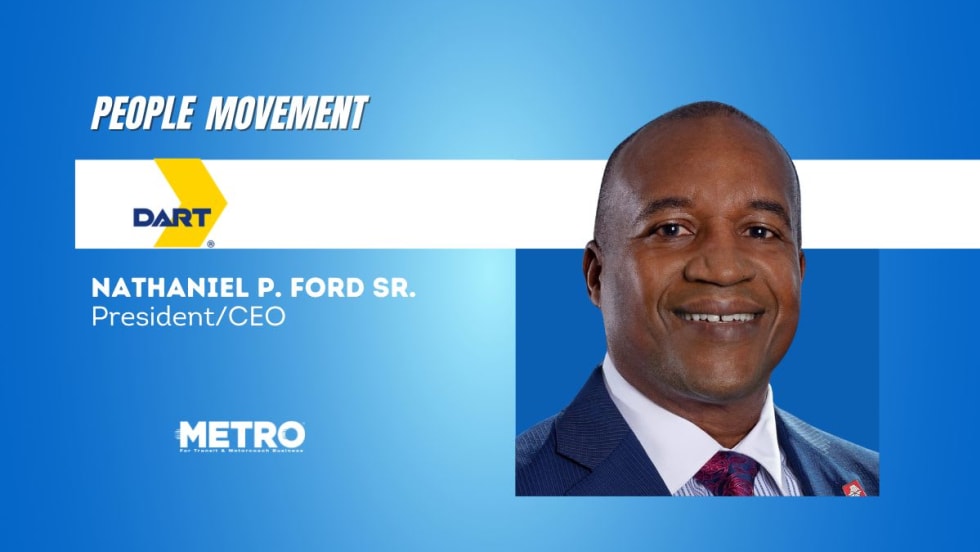
DART Taps Nathaniel P. Ford Sr. as Next President/CEO
Since 2012, Ford has served as the CEO of the Jacksonville Transportation Authority
Read More →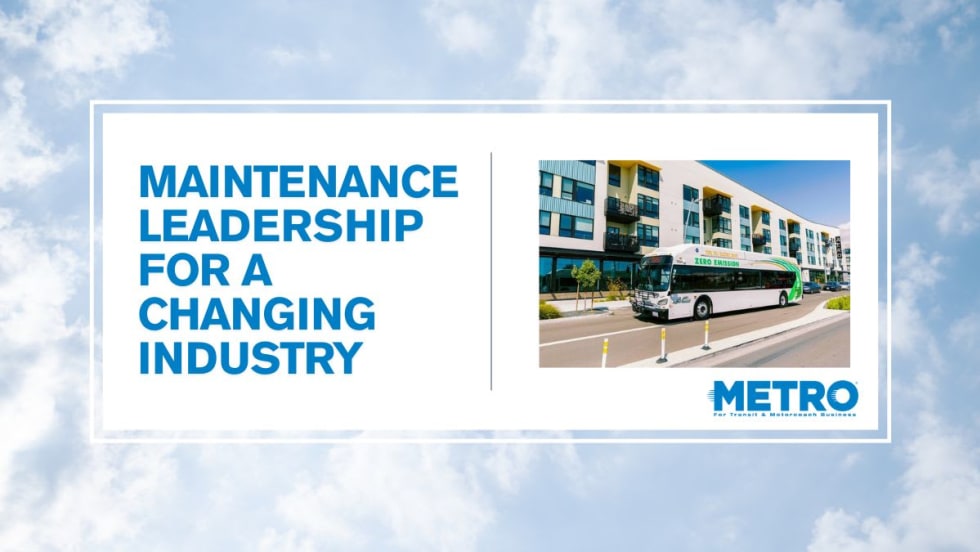
AC Transit’s Cecil Blandon on Building the Next Generation of Transit Maintenance Leaders
The agency’s maintenance chief discusses leadership, workforce development, zero-emission technology, and preparing technicians for the future of public transportation.
Read More →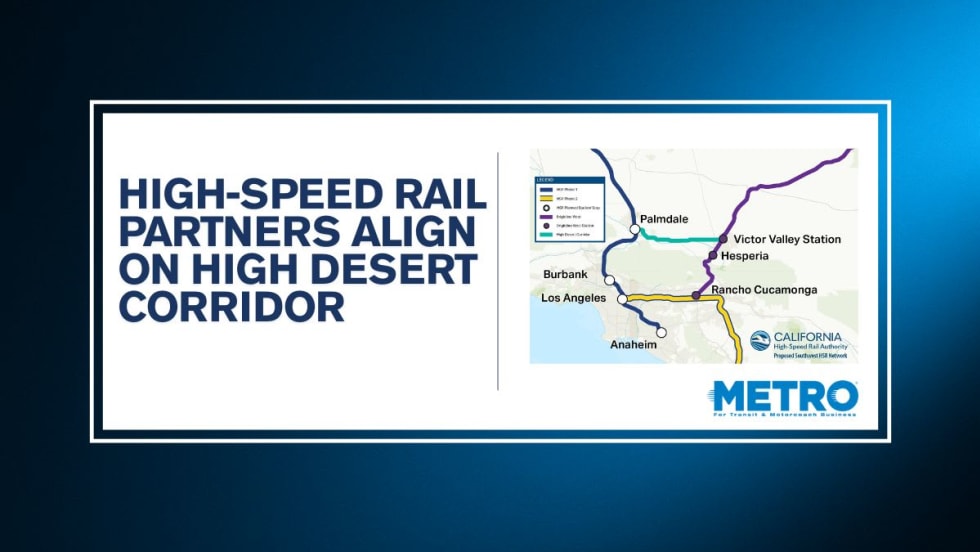
California High-Speed Rail Authority Signs MOU to Advance High Desert Corridor
The agreement deepens collaboration between the California High-Speed Rail Authority and the High Desert Corridor Joint Powers Agency, supporting design integration, cost savings, and faster delivery of a key Southern California rail link.
Read More →
Building the Next Generation of Transit Technology
In this edition of METROspectives, Luminator CEO Magnus Friberg discusses the company's transformation, the growing role of AI and software, and what's next for transit technology.
Read More →