



Apple Pay now available on Metrolink mobile fare payment app
The Metrolink App is powered by Masabi’s Justride Mobility Platform.

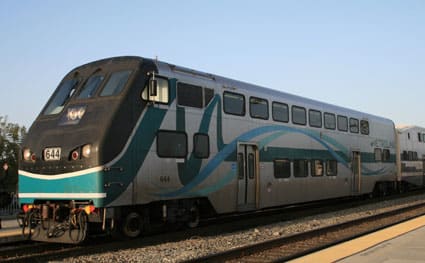
To use Apple Pay®, customers log in to Metrolink’s mobile app, select a ticket or pass, choose "Pay with Apple Pay®" and complete the payment using the Touch ID® or Face ID®feature.
Metrolink

Calif.’s Metrolink commuter rail line announced that it’s now even easier to avoid traffic and purchase a ticket for commuter rail services with the introduction of Apple Pay® for the Metrolink mobile ticketing app. The addition of Apple Pay® enables customers to purchase tickets with just a tap, eliminating the need to type in any credit card numbers, billing info, or security codes to complete a transaction.
The use of Apple Pay® is fast, secure, and part of a technology transformation investment Metrolink has made over the past seven months, which includes a new website and GPS train tracker, as well as the launch of “Scan & Go” that lets Metrolink App users scan their phones at Metro Rail gates to seamlessly continue their journeys.
“Currently, more than 40 percent of our riders are using the Metrolink mobile app to buy their tickets, benefitting from convenience and time savings,” said Metrolink Chair Andrew Kotyuk. “As part of our focus on customer service, we are adding Apple Pay so riders have even more choices.”
To use Apple Pay®, customers log in to Metrolink’s mobile app, select a ticket or pass, choose "Pay with Apple Pay®" and complete the payment using the Touch ID® or Face ID®feature.
The Metrolink App is powered by Masabi’s Justride Mobility Platform.
“We’re very excited to offer Apple Pay® as another payment option to Metrolink commuter rail riders.” said Brian Zanghi, CEO of Masabi. “Our primary goal at Masabi is increasing the convenience of public transit, and making payments as seamless as possible is one way we further that mission every day.”
More Technology
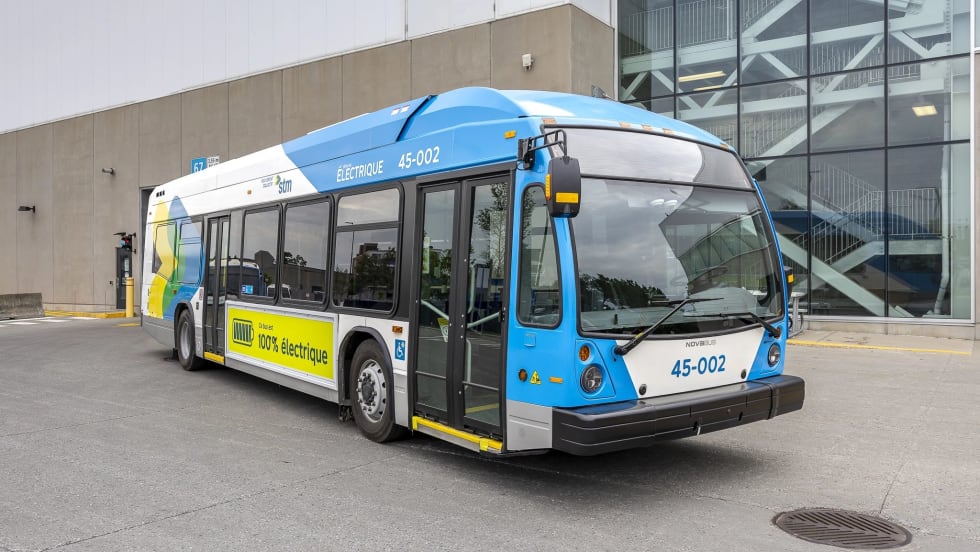
Biz Briefs: Montréal Debuts Nova Electric Buses and More
In this edition of Biz Briefs, we spotlight the latest developments shaping the future of mobility.
Read More →
The Hidden Cost of Fuel Data Inaccuracy in Public Transit Fleets
In today's transit environment, accurate fuel and mileage data are critical to reducing costs, minimizing downtime, and improving fleet performance.
Read More →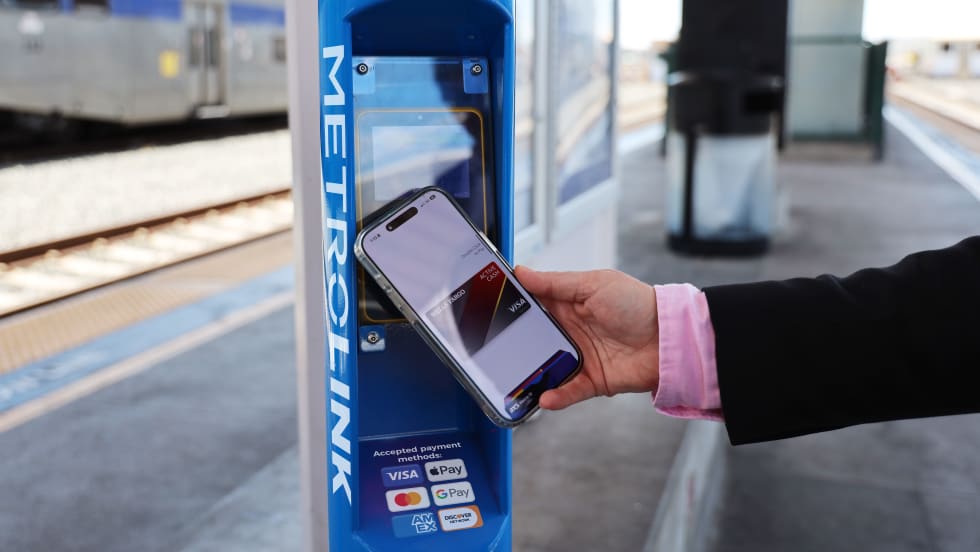
Southern California's Metrolink Debuts Contactless Fare Payment Pilot
Customers traveling between Redlands and Los Angeles can now tap their preferred payment method, including a credit or debit card, mobile wallet, or wearable device, at station validators before boarding and again while exiting.
Read More →
METROspectives: CharterUP CEO Armir Harris on Modernizing Mobility
From digital transformation to evolving customer demands, CharterUP's CEO Armir Harris offers his perspective on the transportation industry's next chapter.
Read More →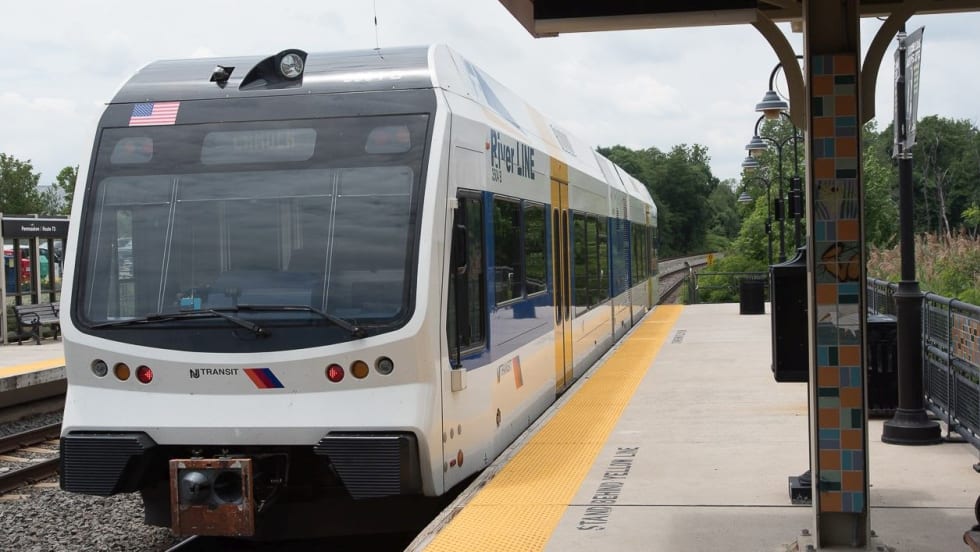
NJ TRANSIT Issues RFI for Unified Real-Time Customer Information Platform
The agency is seeking input from companies that provide real-time transit communications systems as part of an effort to enhance the customer experience and modernize how riders receive service alerts, travel information, and system status updates.
Read More →
Mobile Apps and Passenger Information Top METRO's Business Briefs
In our latest installment, we take a look at recent news from Masabi, Axentia, Moovit, and more partnerships making headlines across the transportation sector.
Read More →
Biz Briefs: Masabi Partners with LANTA and More
In this edition, we spotlight the latest developments shaping the future of mobility.
Read More →
Joshua Schank on Transportation Innovation, Risk, and the Future of Mobility
In this edition of METROspectives, Joshua Schank discusses lessons from launching LA Metro’s Office of Extraordinary Innovation, the challenges of advancing new mobility technologies, and much more.
Read More →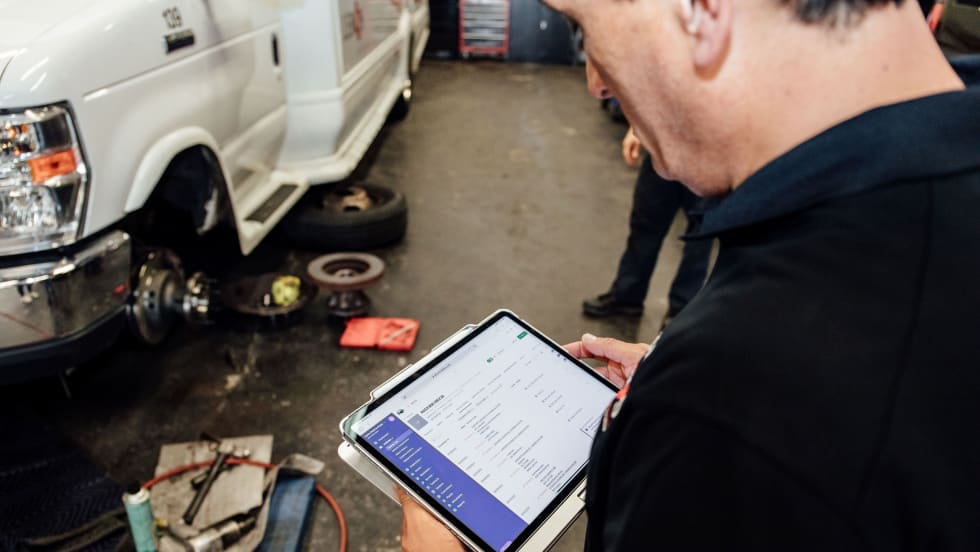
Reinventing Fleet Maintenance with Real-time Visibility and AI
Transit leaders need to know what needs fixing, where to look, who is responsible, when work is completed, and what it costs without having to chase information across disconnected systems.
Read More →
Alstom Acquires Delaware Site to Support Amtrak NextGen Acela Fleet
The company is investing more than $55 million to acquire and improve the property and will employ approximately 100 people at this site once it is operational.
Read More →