




RELATED: AV Deployments Gaining in Popularity
Report finds 'Transit Leaps' needed to properly integrate with AVs
Ideal scenario for public transit planners would be an optimized, dense, and always available transit network that is also affordable.
February 19, 2019

How ownership will settle out if vehicle fleets become fully robotic is unknown. Some scenarios predict wide utilization of highly optimized robotaxi fleets.
LAVTA
2 min to read

Mineta Transportation Institute’s (MTI) latest perspective, “Automated Vehicles have Arrived: What’s a Transit Agency to Do?” analyzes the ongoing innovations in automated and connected vehicles, commonly referred to as AVs, and how proactive transit agencies can maintain their existing mission while responding to changes on the horizon.
How ownership will settle out if vehicle fleets become fully robotic is unknown. Some scenarios predict wide utilization of highly optimized robotaxi fleets. Other scenarios start from the current state of primarily private vehicle ownership and consider a wide array of possibilities — ranging from massive sharing to just a slight increase.
While there is a celebrated upside to having driverless robotaxis provide all imagined passenger trips, it is unclear how to ensure transportation equity and access regardless of one’s ability to pay or mobility level. The ideal scenario for public transit planners would be an optimized, dense, and always available transit network that is also affordable for the rider.
Regardless, the mixture of varying levels of automated vehicles will create a complex planning environment. “We should expect at least 30 years of mixed fleets of varying levels of semi-automation,” said MTI Research Associate and author John Niles. He goes on to address the issues that will be faced in the coming years, including, distracted driving, complex and shifting transit infrastructure planning, and street re-organization among others.

Figure. Transit Leap levels are described spatially rather than by level of autonomous operations.
For the public transit to remain a viable option, the industry must undergo a series of AV adaptations Niles refers to as “Transit Leaps.”
Transit Leap implementations occur at the highest level of autonomous operations and allow public transportation to evolve with the AV technology. Each “leap” coincides with evolving AV technology while still maintaining the essential functions of the transit system, including accessibility and affordability for riders. Beginning with first-and-last mile applications, Transit Leaps could progress through larger and more capable roll-outs toward a long-run scenario of massive shared fleets that span urban regions. Adhering to an evolutionary model, transit agencies will be able to better manage the rapid growth of AVs as transportation drives into the future.
More Technology
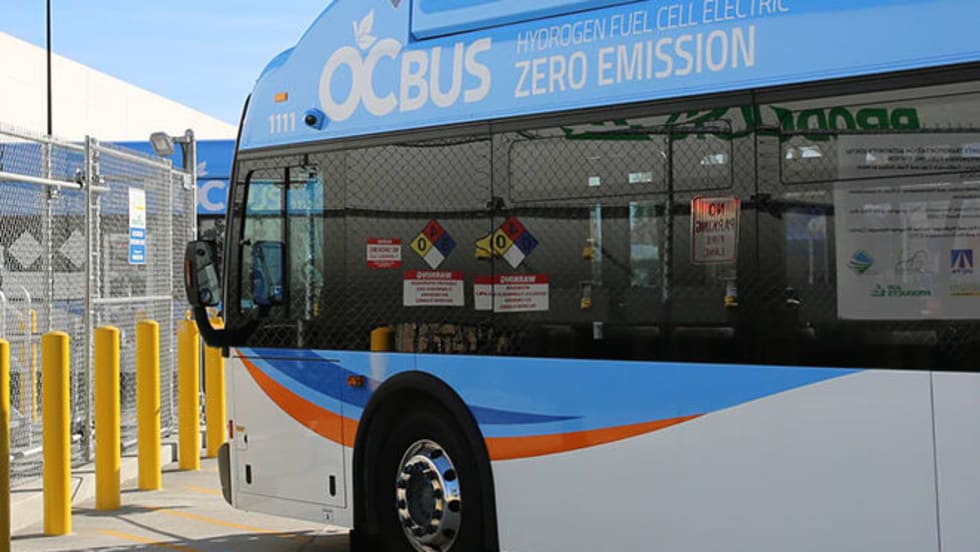
Biz Briefs: OCTA Taps Clean Energy for Hydrogen Station, Stadler to Supply Via Rail Vehicles, and More
From manufacturers and suppliers to transit agencies and motorcoach operators, these updates offer a snapshot of the projects, partnerships and business moves driving the industry forward.
Read More →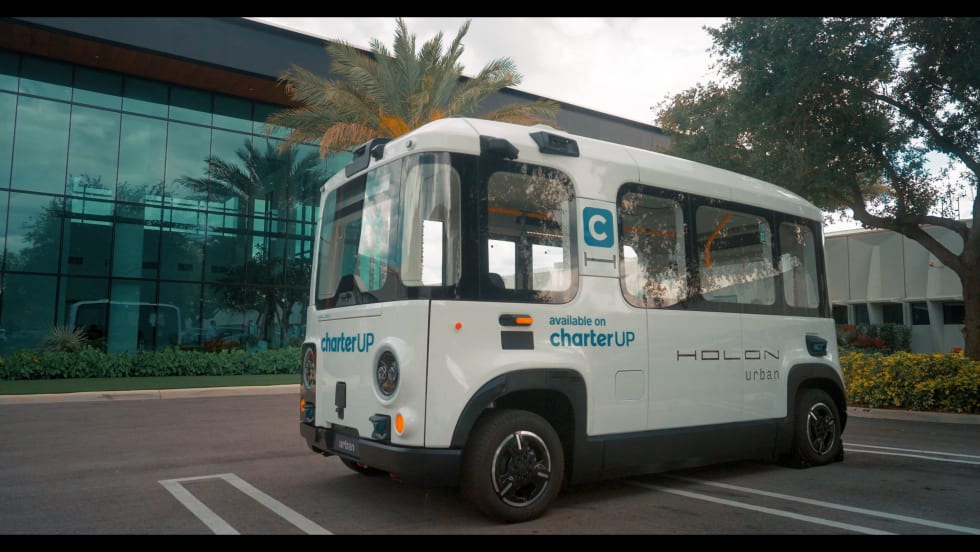
CharterUP Expands Into New Mobility and Autonomous Transportation
Vice President of New Mobility Stephen Joos discusses how CharterUP is leveraging its nationwide transportation network, technology platform, and autonomous vehicle partnerships to expand into workforce mobility, campus shuttles, and transit solutions.
Read More →
METRO Magazine Announces 2026 Innovative Solutions Awards Winners
Projects Recognized for Advancing Mobility Through Technology, Accessibility, Workforce Innovation, and Operational Excellence
Read More →
Cummins Introduces Phased Model Year 2027 Launch Strategy
According to officials, the approach is designed to maintain regulatory compliance, support customer production schedules, and provide additional time to ramp production in a disciplined manner that helps ensure a successful transition for the industry.
Read More →
Biz Briefs: STV teams with Amtrak, Motorcoach Operators Boost Fleet and Land Contracts, and More
From manufacturers and suppliers to transit agencies and motorcoach operators, these updates offer a snapshot of the projects, partnerships and business moves driving the industry forward.
Read More →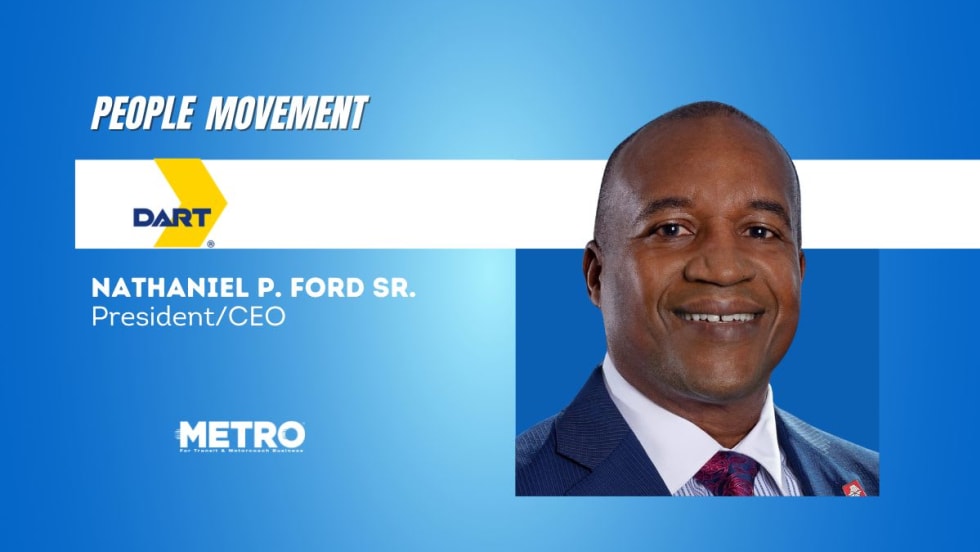
DART Taps Nathaniel P. Ford Sr. as Next President/CEO
Since 2012, Ford has served as the CEO of the Jacksonville Transportation Authority
Read More →
AC Transit’s Cecil Blandon on Building the Next Generation of Transit Maintenance Leaders
The agency’s maintenance chief discusses leadership, workforce development, zero-emission technology, and preparing technicians for the future of public transportation.
Read More →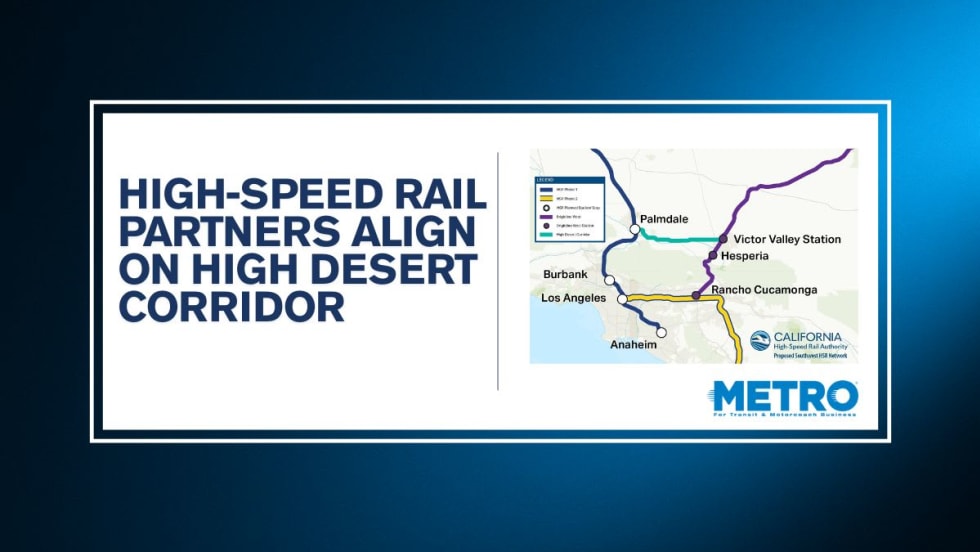
California High-Speed Rail Authority Signs MOU to Advance High Desert Corridor
The agreement deepens collaboration between the California High-Speed Rail Authority and the High Desert Corridor Joint Powers Agency, supporting design integration, cost savings, and faster delivery of a key Southern California rail link.
Read More →
Building the Next Generation of Transit Technology
In this edition of METROspectives, Luminator CEO Magnus Friberg discusses the company's transformation, the growing role of AI and software, and what's next for transit technology.
Read More →
How Data, Strategy, and Community Engagement Are Reshaping Transit
In this edition of METROspectives, strada360 CEO Steve Lassey discusses how transit agencies can better align planning with operations, leverage data to improve decision-making, and build public trust as they prepare for the future of mobility.
Read More →