



St. Paul, Minn. campus offers car-, bike-sharing services
The services may be an even more valuable resource now that the Associated Colleges of the Twin Cities has ended shuttle service between and handful of local campuses.


Hamline University Nice Ride bike-sharing service.
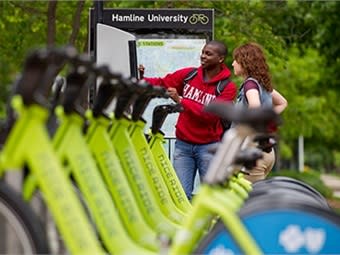
Hamline University Nice Ride bike-sharing service.
Students don’t need their own car in order to get off campus and enjoy the many excellent cultural, educational, and recreational opportunities across the Twin Cities. Not only do MetoTransit buses stop right in front of campus, St. Paul, Minn.-based Hamline University is home to a fleet of Nice Ride bike-sharing bicycles and an HOURCAR car sharing service.
“The HOURCAR was an idea from Hamline Undergraduate Student Council (HUSC) with the intent of providing alternative transportation for the entire campus community,” Dean of Students Alan Sickbert said. “Departments and organizations are encouraged to set up accounts so that students, staff, and faculty do not have to use personal vehicles when attending programs in the Twin Cities that are related to Hamline.”
The HOURCAR is a nonprofit program that provides members with hourly access to a fleet of fuel-efficient vehicles. Once you become a member, you reserve any car you like in advance and drive it for as long as your reservation. The service may be an even more valuable resource now that the Associated Colleges of the Twin Cities (ACTC) has ended shuttle service between Macalester College, St. Thomas, St. Kate’s, Augsburg, and Hamline’s campuses.
The process of using the HOURCAR is simple. Users choose a plan based on how much they think they’ll use the car, fill out a short application, and choose a payment option. There are several different plans to choose from, including discounted college student rates. The undergraduate student plan is a $35 annual membership that costs $6 per hour, or 25¢ per mile. Alternatively, it can cost $3 per hour between 11 p.m. and 7 a.m.
HOURCAR members can make reservations for the car by phone 24 hours a day, seven days a week. For the duration of the reservation, the HOURCAR is solely for that member’s use and the costs cover both gas and insurance. Hamline’s HOURCAR is located outside the Anderson Center on Englewood Avenue, making for a convenient location for students, faculty, and staff.
For those looking to travel via pedal power, Hamline is home to a fleet of the green Nice Ride bicycles that are part of the nonprofit bike-sharing system. Anyone is eligible to become a member or a pass holder of the Nice Ride organization and, like the HOURCAR, different packages and memberships are available based on the preferred usage.
“Nice Ride is a system that supports the Green Line Light Rail and all public transportation. It is environmentally-friendly and cheap,” Sickbert said. “Nice Ride makes decisions about where stations are located based on usage, so keeping the bikes on campus is dependent on our students, faculty, staff, and other community members riding those bikes. So get some friends and try it out.”
Memberships can be obtained online and allow for unlimited 60-minute rentals. This option is great for frequent riders, affordable at pennies per day, and comes with a Nice Ride key that allows members to access to the bikes in seconds. Student discount rates for this option cost $55 for an entire year. Non-members can purchase passes at any station for unlimited amounts of 30-minute rentals.
This article was originally published by Hamline University News.
More New Mobility
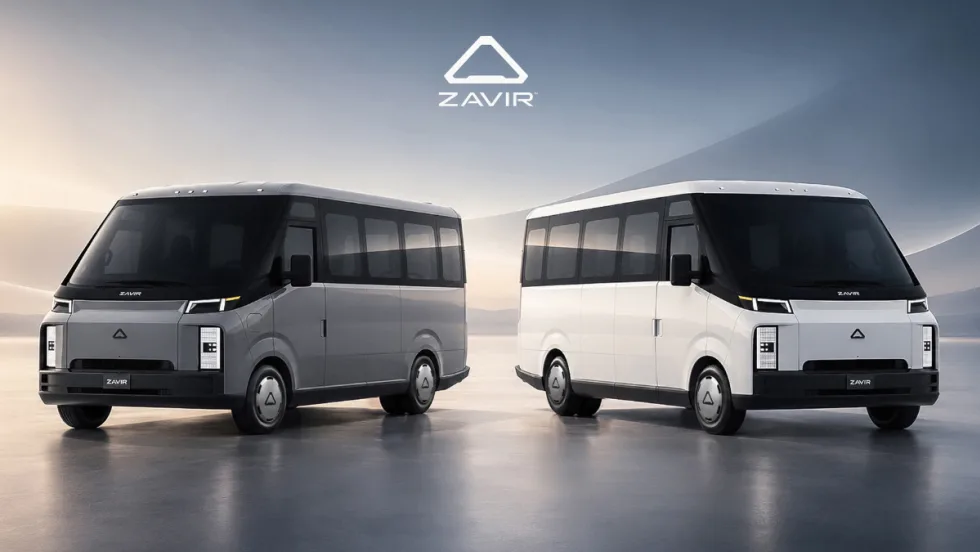
ENC Unveils ZAVIR Medium-Duty Electric Shuttle
The new ZAVIR brand targets shuttle and paratransit operations with battery-electric and range-extended electric vehicle options.
Read More →
Public Transit Conference Returning to GFX in 2027, Call for Papers Now Open
The Call for Papers is now open, allowing transit agency professionals and industry experts to help shape the PTC educational program by submitting session ideas for consideration.
Read More →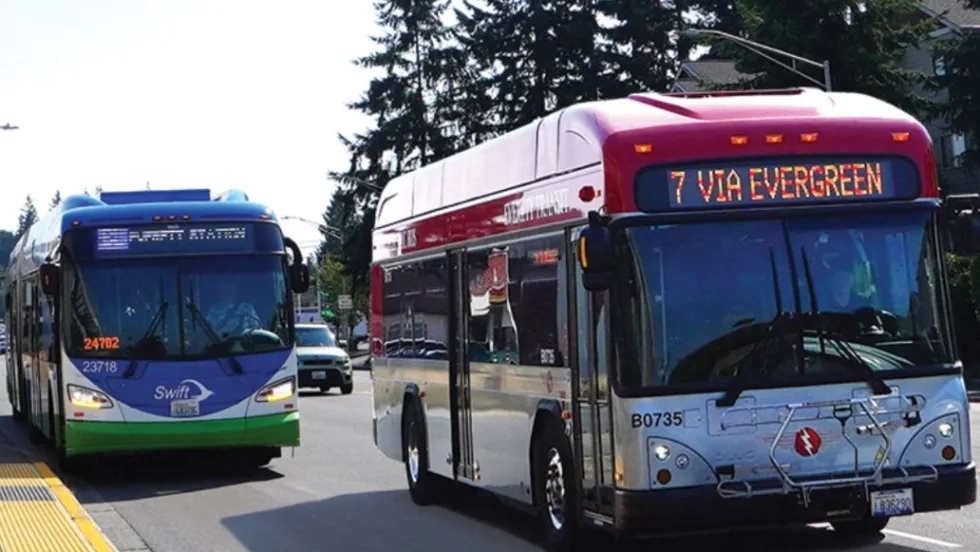
Everett Transit, Community Transit Outline Consolidation Agreement
The proposed agreement calls for a 50% increase in bus service in Everett, a new microtransit zone, continued paratransit service, and the transfer of Everett Transit operations to Community Transit.
Read More →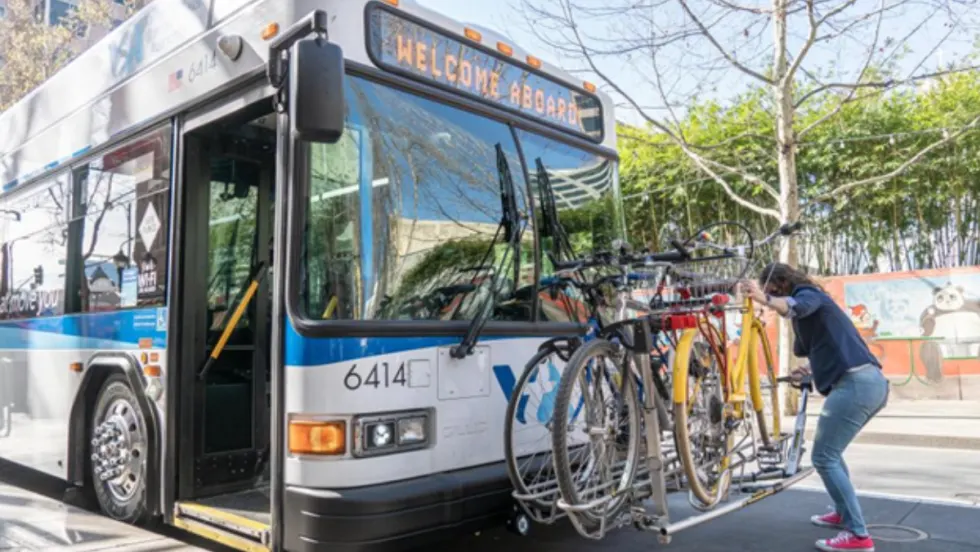
What Multimodal Data Can Tell Transit Agencies About Rider Demand
See how bike-on-bus data is giving transit agencies new insight into rider demand, capacity constraints, and gaps in first- and last-mile connections.
Read More →
From Hardware to Digital Partner: Luminator Charts Its Next Chapter
CEO Magnus Friberg discusses Luminator’s shift toward becoming a digital partner, the growing importance of software and interoperability, and how AI can help agencies improve operations and passenger experience.
Read More →
Biz Briefs: Alstom Lands Canadian Contract, LYT to Supply California TSP, and More
In METRO's latest installment, we take a look at recent news from Complete Coach Works, Beep, FlixBus, and more partnerships making headlines across the transportation sector.
Read More →
CharterUP’s Armir Harris on Technology, AI, and the Future of Group Mobility
In a recent episode of METROspectives, CharterUP Founder/CEO Armir Harris discussed the company’s evolution from an online charter bus marketplace into a technology platform supporting public- and private-sector mobility and much more.
Read More →
Jacksonville’s NAVI Project Charts a New Course for Autonomous Public Transportation
Through its NAVI program, JTA is showing how autonomous vehicles, intelligent infrastructure, and coordinated operations can work together to deliver everyday public transportation.
Read More →
Biz Briefs: Luminator Marks Milestone and More
From manufacturers and suppliers to transit agencies and motorcoach operators, these updates offer a snapshot of the projects, partnerships and business moves driving the industry forward.
Read More →
New Tricks for Old Bureaucracies: Joshua Schank on Making Transit Innovation Stick
Former LA Metro Chief Innovation Officer Joshua Schank discusses why good ideas aren't enough, how transit agencies can overcome resistance to change, and why today's challenges demand more innovation.
Read More →