



Light Rail Line Links Salt Lake City with Airport
The Airport TRAX, which has six stations, is now on full schedule, with trains from downtown to the airport running every 15 minutes on weekdays and every 20 minutes on weekends. It travels at speeds up to 60 miles per hour.
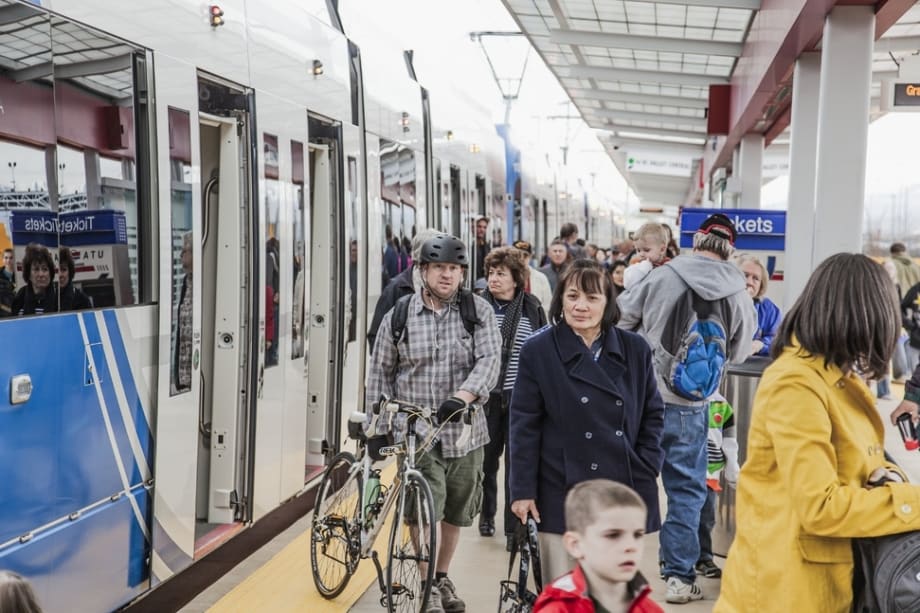
The Airport TRAX, which has six stations, is now on full schedule, with trains from downtown to the airport running every 15 minutes on weekdays.

Kevin Cox knew that the Airport TRAX light rail would make an impact on travel between downtown Salt Lake City and Salt Lake City International Airport. But, he had no idea it would be such an immediate hit.
One day after the April 13 grand opening, Cox volunteered at a downtown station, helping to orient passengers to the new six-mile line connecting the airport with the downtown.
“Already, I saw a lot of people using the train to travel to the airport,” Cox says. “Overwhelmingly, when I talked to people about the new line, they were very excited about it.”
It was a satisfying moment for Cox, Parsons Brinckerhoff’s project manager for the Airport TRAX project, which is part of the Utah Transit Authority’s (UTA) FrontLines 2015 program that includes five rail projects. Parsons Brinckerhoff serves as program manager to UTA for the FrontLines program.
The Airport TRAX, which has six stations, is now on full schedule, with trains from downtown to the airport running every 15 minutes on weekdays (5:30 a.m.- 11:30 p.m.) and every 20 minutes on weekends. It travels at speeds up to 60 miles per hour.
Airport TRAX, known as the Green Line, also gives people beyond Salt Lake City convenient transportation to the airport, connecting with TRAX light rail lines, as well as the FrontRunner commuter rail lines. So now, residents from as far away as Ogden to the north or Provo to the south can travel directly to the airport on rail transit.
‘A Complete Street’
One of the most striking features of the Airport TRAX Line is the North Temple Street corridor, half of the overall project length. Originally owned by Utah Department of Transportation, ownership of this three-mile stretch of land was turned over to Salt Lake City, which then turned that corridor into “a complete street” shared by light rail, vehicles, bikes and pedestrians.
“It was originally just a street for vehicle traffic. No landscaping, just cars and trucks,” Cox says. “The city went out of its way to turn it into something unique and sustainable.
It is kinder and friendly…an approachable corridor,” Cox says. “The city invested a lot to liven this area up and add color, to make it a place you would want to visit. I think relative to what it used to look like, the transformation has been amazing.”
Making the Green Line Green
One unusual aspect is the creation of a “grass track.” It follows a European model with a test bed of grass growing in between a 400-foot stretch of track. UTA will examine maintenance and safety issues surrounding this test bed to determine whether it would be viable to expand it or if it should be discontinued.
Sustainability was an important consideration from the start of the project, and Cox said all agreements with UTA and Salt Lake City required elements that took the environment into account every step of the way.
That led to the inclusion of elements like solar panels on the tops of four of the six station canopies, which were funded by a grant from Rocky Mountain Power. An idling policy was created that required shutdown of all construction equipment when unused after three minutes to five minutes. Recycled materials were used on projects whenever possible.
Alliance Agreement
Another innovative aspect of this project was the “alliance” agreement among all parties involved in development and construction of the rail line.
“There was a sense of ‘share the pain, share the gain,’ so that when we beat a goal, everyone shared in the benefit,” Cox says. There was also some risk in this type of approach, since the flip side was that losses would also be divided. But, the unity in purpose ultimately benefitted all involved.”
More Management
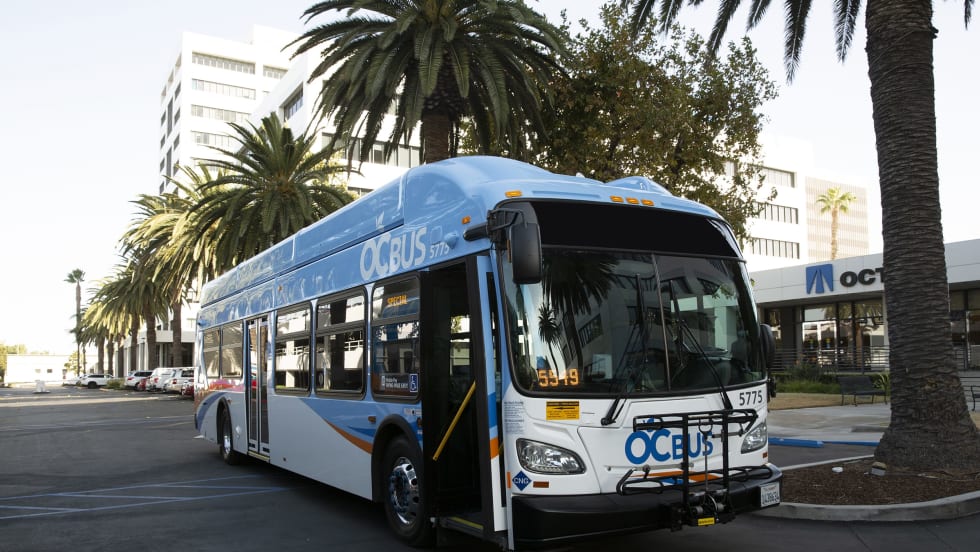
OCTA Approves $2 Billion Budget for FY 2026-27, Prioritizing Transit Investments
More than half of the agency’s upcoming spending plan is dedicated to transit as OCTA balances infrastructure investment with fiscal stability.
Read More →
Joshua Schank on Transportation Innovation, Risk, and the Future of Mobility
In this edition of METROspectives, Joshua Schank discusses lessons from launching LA Metro’s Office of Extraordinary Innovation, the challenges of advancing new mobility technologies, and much more.
Read More →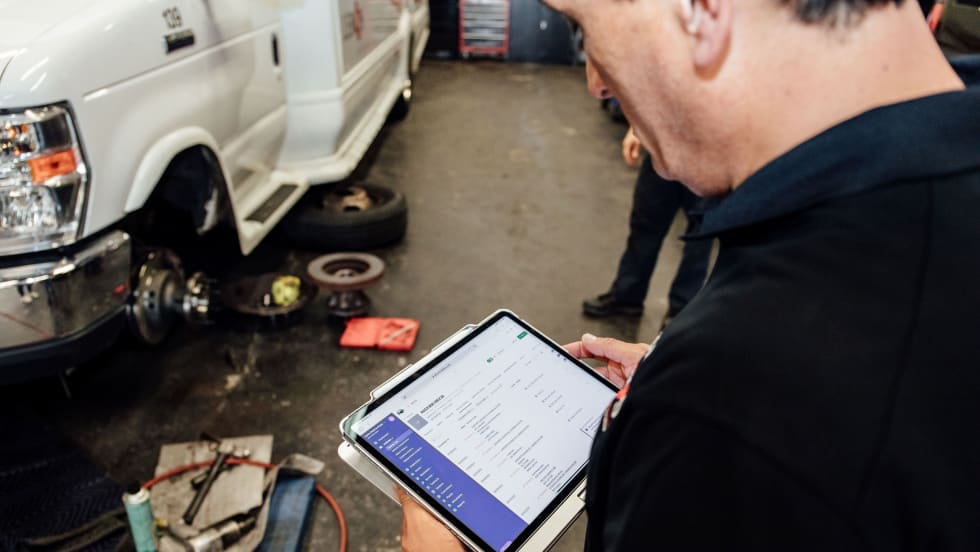
Reinventing Fleet Maintenance with Real-time Visibility and AI
Transit leaders need to know what needs fixing, where to look, who is responsible, when work is completed, and what it costs without having to chase information across disconnected systems.
Read More →
Alstom Acquires Delaware Site to Support Amtrak NextGen Acela Fleet
The company is investing more than $55 million to acquire and improve the property and will employ approximately 100 people at this site once it is operational.
Read More →
SamTrans Sets Priorities for Potential Connect Bay Area Revenue
The board-approved framework allocates future funding to maintaining service, rider improvements, equity initiatives, and infrastructure repairs.
Read More →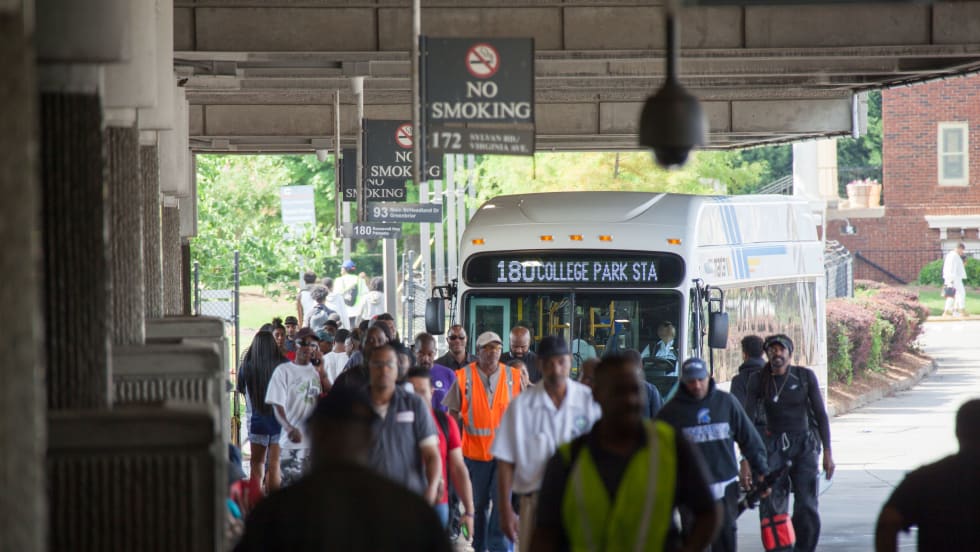
Federal Transit Officials Launch MARTA Safety Probe
FTA has given MARTA 15 days to provide records on crime prevention, fare evasion enforcement, and security funding as part of a broader safety investigation.
Read More →
ABA's Ferguson Testifies in Support of BUS Act, National Standards for Bus Operators
The BUSES Act would create a nationwide framework preventing state and local governments from enforcing bus idling restrictions of less than 15 minutes, a threshold consistent with existing Environmental Protection Agency guidance.
Read More →
When Routine Fails: How Public Transit Must Adapt for the World Cup
The 2026 FIFA World Cup will test transit agencies’ ability to manage unpredictable travel patterns, making real-time data and operational flexibility critical to moving millions of visitors efficiently.
Read More →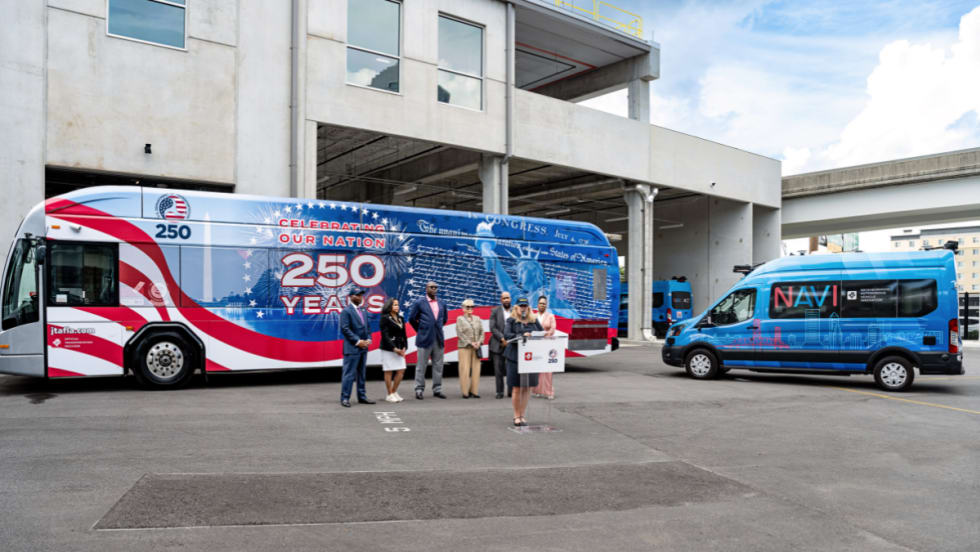
Florida’s JTA Puts Innovation in Motion Ahead of America250
The agency unveiled a commemorative America250 bus during a visit from U.S. DOT's Seval Oz and showcased its autonomous mobility programs.
Read More →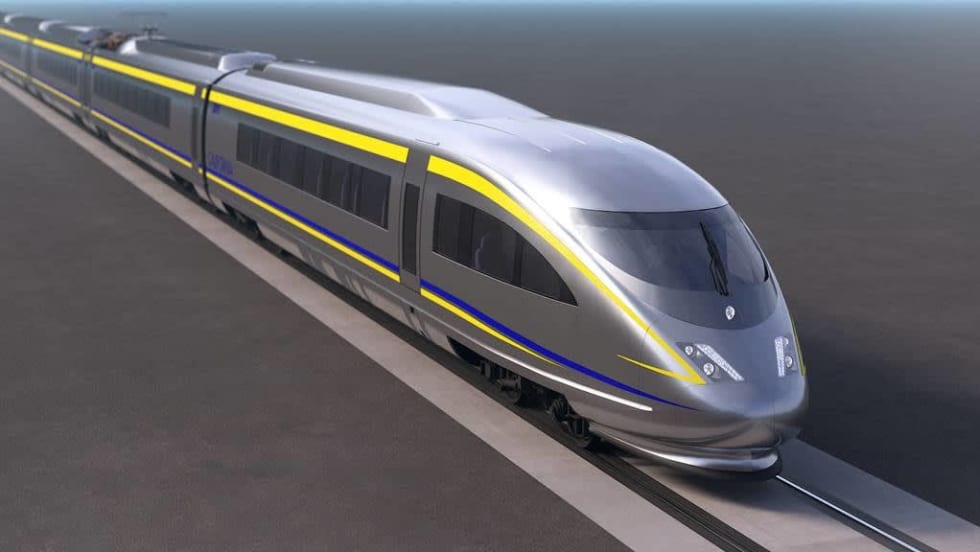
California Selects Team for Nation’s First True High-Speed Rail Track and Systems Contract
The board action follows completion of track installation at the 150-acre southern railhead in Kern County, which will serve as the staging and distribution hub for high-speed track and systems installation.
Read More →