



[Exclusive] Rotterdam's 'Mobility Story' includes Mix of Transport Modes
There is much more to the Dutch vision of transport than the somewhat shocking prevalence of bicycles being used by all types of people throughout the city.

![[Exclusive] Rotterdam's 'Mobility Story' includes Mix of Transport Modes](https://assets.bobitstudios.com/image/upload/f_auto,q_auto,dpr_auto,c_limit,w_920/Giles-TramnearRiverMaas_1768146336657_cqrif9.jpg)
Tram near River Maas, Rotterdam

The annual Polis Conference: Innovation Transport for Sustainable Cities and Regions, was in Rotterdam, The Netherlands in early December 2016. Polis is a network of European cities and regions that are working together to deploy innovative solutions to champion more sustainable mobility solutions. The group has existed since 1989, is supported by the European Union, and assists in the delivery of the EU’s mobility agenda.
The annual congress provides an opportunity for cities to showcase their transport achievements and offers debate around key topical themes (such as the social and economic challenges for transport) that are relevant to the challenging mobility agenda, as well as theme-specific topics (such as automation).
A few selected non-European cities have also now joined the Polis network.

The event, headed by its Polis' President Pex Langenberg, Rotterdam’s vice-Mayor, includes a mix of city leaders, city policymakers, mobility providers, consultants, and academics.
Rotterdam has been very active in Polis for a number of years and has used the forum as a means of developing its mobility solutions. The city, as well as The Netherlands, generally, offers a fascinating model of a transport system. There is much more to the Dutch vision of transport than the somewhat shocking prevalence of bicycles being used by all types of people throughout the city. The story of mobility in Rotterdam is about substantial investment in transport and the development of a high quality mix of transport modes.
Rotterdam is largely a modern city, albeit one based on over 800 years of history. The city is a natural place for a settlement as it sits near the mouth of the large European rivers — the Rhine and Meuse, which start far to the southeast in Switzerland and France and flow via Germany, Belgium, and Luxembourg. These large and navigable rivers have been diked, re-routed, and merged to the point where today the main channels are hard to discern from the numerous waterways in southwest Holland. They have made Rotterdam into Europe’s largest port complex and one of the largest ports in the world. Combined with the nearby port of Antwerp in Belgium to the south and the inland industrial complex of the Ruhr in Germany, Rotterdam is the gateway to a vast complex of ports and industry covering a large area of northwest Europe and populated by tens of millions of people. The port complex generates large amounts of surface road and rail traffic, as well as river barge traffic. Rotterdam has segregated much of this traffic onto an extensive network of motorways, railroads, and inland barge routes that mean the visitor to the city doesn’t actually experience much of the industrial power of the city region in terms of street traffic.

The city itself has a population of approximately 600,000, while the wider urban area totals 1.4 million. The city is within the larger Randstad area of Holland, which contains over seven million and is one of the largest and most dense conurbations in the European Union.
The visitor to the city is most likely to first experience the recently opened (2014) main rail station. This building replaced a 1950s station, which in turn, replaced the destroyed pre-World War II station. Simply, the new Rotterdam railway station is both an icon in modern design and a showcase of effective, efficient, and easy-to-use transport. The station is immediately surrounded by an efficient and easily accessible network of local subways/metro, trams, buses, parking, parks, pedestrian routes, and the ubiquitous cycle routes. The station is also well-served by shops and other necessary services for the over 100,000 regular daily users. It’s interesting to note that Hertz — so famous for its car rentals — also rents bicycles a few meters from the Rotterdam Central station.

The rebuilding process of Rotterdam central station was also used to place in a tunnel the rail routes heading south from the city center and crossing the river Maas. This has created a large mile long promenade along the east side of the city center that is being used to expand and modernize the post war built environment.
What is most remarkable about Rotterdam in terms of transport, though, and in common with many Dutch cities, is the pervasive modal choice and placing of the private car as an option, but within the context of a very clear hierarchy of transport modes. The consistency of this approach across the city seems to offer residents and visitors a wide choice of sustainable transport choices. Modes are also clearly integrated and located in a way as to provide ready interchange. Heavy rail, subway/metro, tram, bus, bicycle, and pedestrian all sit in close proximity. Most major roads contain adjacent sidewalks, dedicated cycle lanes, and vehicle lanes. Along constricted roadways vehicle lanes are often constrained to enforce lower vehicle speeds and allow space for higher priority sustainable modes.
The levels and pervasive use of cycles should not be underestimated. My understanding is that bicycle use in Dutch cities, while always significant, is still increasing due to the extent of the quality bicycling infrastructure and the popularity across social classes. You see all types of people on their bike, from slow-moving shoppers with their goods, to athletic recreational cyclists, to parents with children, to the elderly, the young and people from all ethnic backgrounds. It seems to have become a natural, if not logical, means of mobility in the city.
As a consequence, there are increasing issues of bicycle parking capacity and how to deal with peak cycle flows on certain routes. Many streets, particularly in residential areas, are congested with parked bikes. At railway stations and other nodes, authorities across the country have started to build mega-bike parking areas. Rotterdam Central station has in excess of 5,000 bike parking spaces on site.

It should be noted that the, now increasingly common in Europe, shared-electric vehicles don’t seem to be in evidence in the city. However, there is an extensive network of over 2,000 electric vehicle charging points across the city and this is expected to double by 2018. The city authorities have also made a focused effort in increasing the share of vehicles powered by electric means.
Compared to many European cities, the air quality in The Netherlands is quite good. This is in spite of the huge industrial complexes of the port, of multiple oil terminals, and refineries adjacent to the city, as well as an extensive and heavily-trafficked motorway network. Rotterdam, like a few other large Dutch cities, has chosen to restrict classes of polluting heavy vehicles — based on Euro engine standards — via an “Environmental Zone” in its central area. The city has also chosen to restrict passenger cars and light-duty vehicles based on comparable pollution standards.
In addition to the clear modal choice, the city has recognized the threat of a changing climate. This issue is no more apparent than in The Netherlands. Some of the suburban outskirts of Rotterdam are over six million (20 ft.) below the nearby level of the North Sea. The beauty, and power, of nature is all around you in the city, but it is something that must be controlled, otherwise much of the country would be underwater and is at significant risk as a result of ocean storms, as well as inland river flooding.

Overall, Rotterdam is an impressive example of truly multimodal and integrated mobility that seems to offer its residents and visitors a wide-range of transport options. Moreover, it offers a calm and tranquil city atmosphere that provides car access, but clearly prioritizes the role of sustainable transport, and therefore, creates a clean and pleasant streetscape. It also demonstrates that significant investment in iconic public transport infrastructure can both shape and define the nature of a city.
The 2017 Polis conference will be in Brussels, Belgium in the early winter.
Giles K. Bailey is a director at Stratageeb Ltd., a London based consultancy assisting businesses think about their strategic vision and innovation.
More New Mobility
Joshua Schank on Transportation Innovation, Risk, and the Future of Mobility
In this edition of METROspectives, Joshua Schank discusses lessons from launching LA Metro’s Office of Extraordinary Innovation, the challenges of advancing new mobility technologies, and much more.
Read More →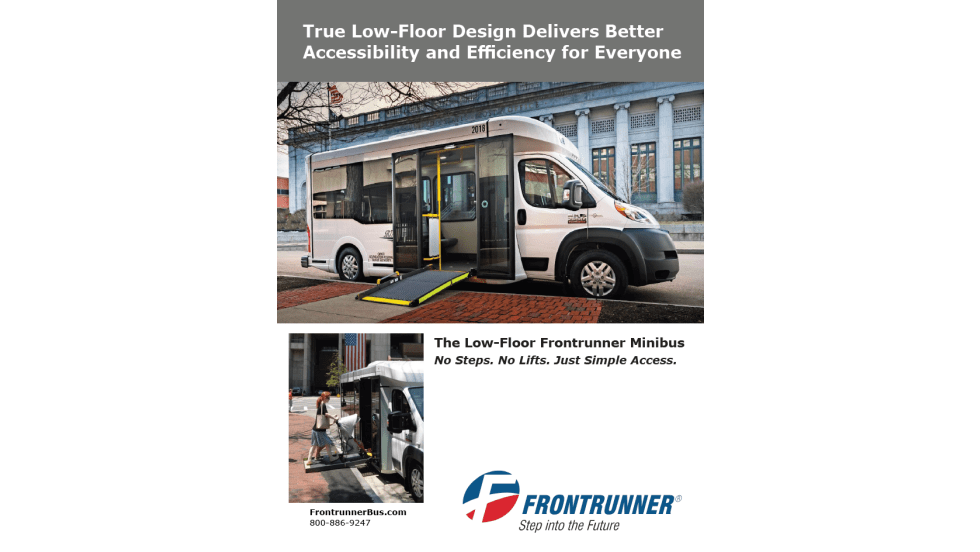
A True Low-Floor Minibus Design Delivers Better Accessibility and Efficiency for Everyone
As transit demands evolve, so should your fleet. Download the whitepaper to see how the Low-Floor Frontrunner Minibus compares to traditional options.
Read More →
Joshua Schank on Transportation Innovation, Risk, and the Future of Mobility
In this edition of METROspectives, the co-author of New Tricks for Old Bureaucracies, discusses lessons from launching LA Metro’s Office of Extraordinary Innovation, the challenges of advancing new mobility technologies, and much more.
Read More →
Biz Briefs: Foothill Gold Line Award, Matawan Contract, and More
From strategic partnerships to acquisitions and service expansions, the industry continues to evolve at a rapid pace. Find out all the latest here.
Read More →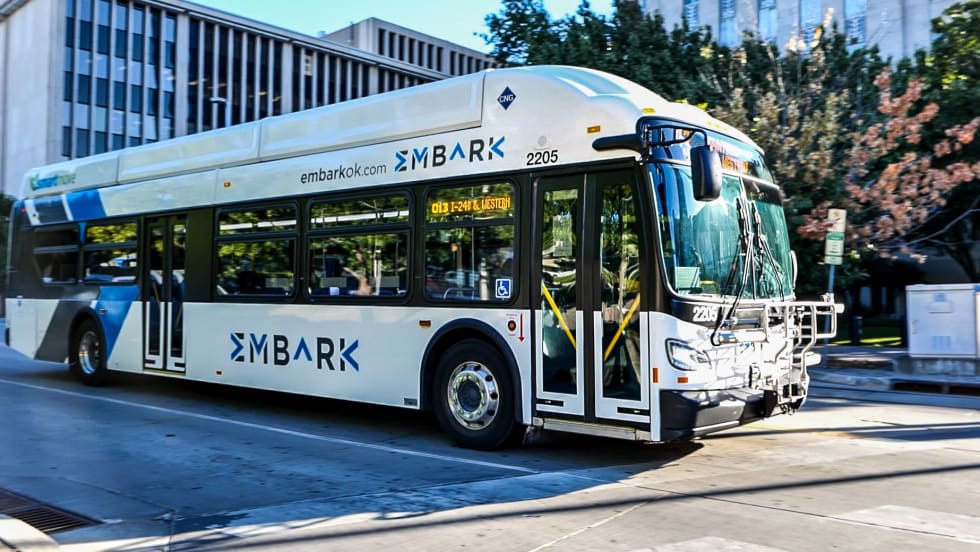
Inside Look: EMBARK Expands Fare-Free Transit Program Through New Public-Private Partnership
The OKC transit agency says sponsorship helps subsidize the Third Friday Free initiative while reducing barriers for first-time riders and boosting ridership across buses, streetcars, and river cruises.
Read More →
2026 METRO Buyer’s Guide & Directory
Searching for the right vehicles, technology, equipment, or services for your public transit or motorcoach operation? This industry guide brings together manufacturers and suppliers from across the transportation market — all in one place. Download it to connect with the companies that help agencies and operators improve mobility, enhance operations, and move their organizations forward.
Read More →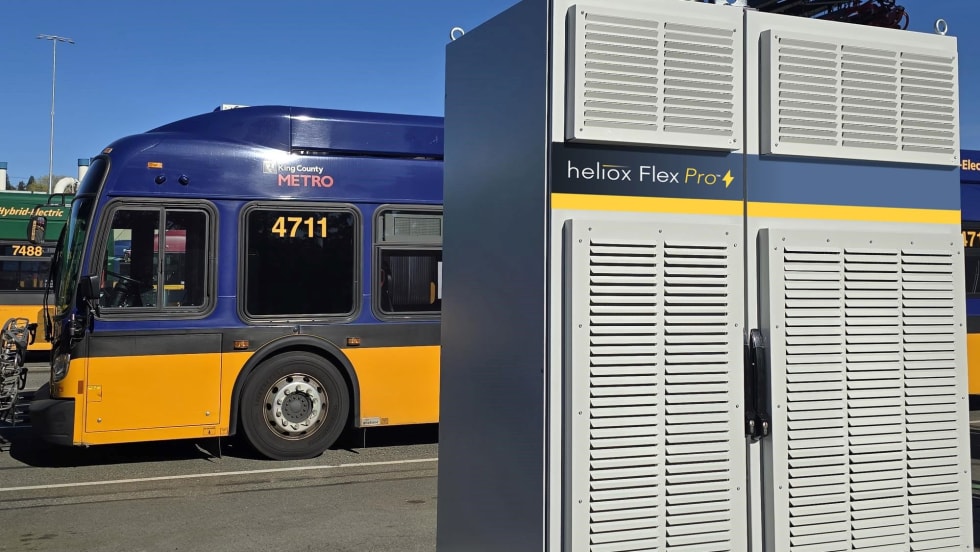
King County Test Heliox Chargers, Keolis Lands California Contract Top Biz Briefs
Stay informed with these quick takes on the projects and companies driving progress across the transportation landscape.
Read More →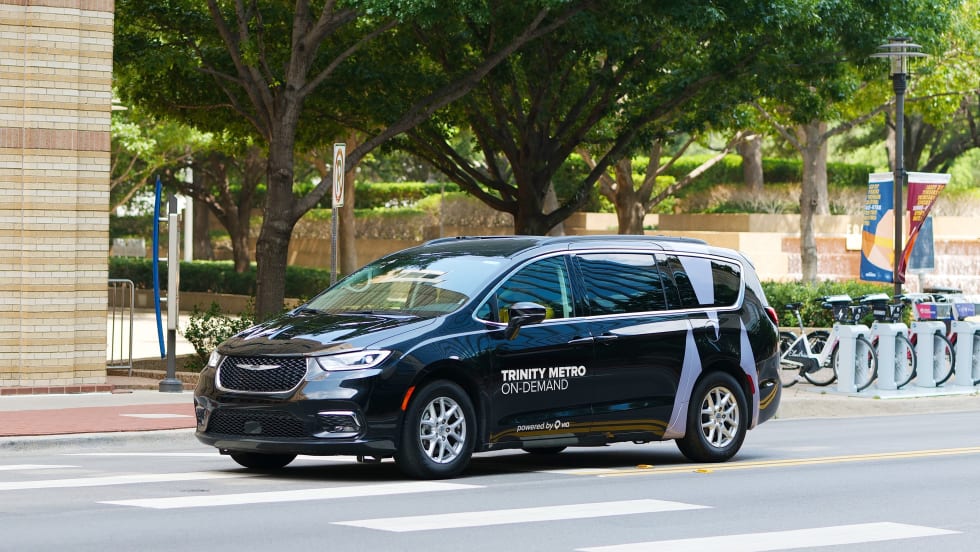
Via Announces Scheduling and Supply Studio
The Scheduling and Supply Studio provides the world’s first fully integrated platform for optimizing vehicle and driver availability to rider demand, said company officials.
Read More →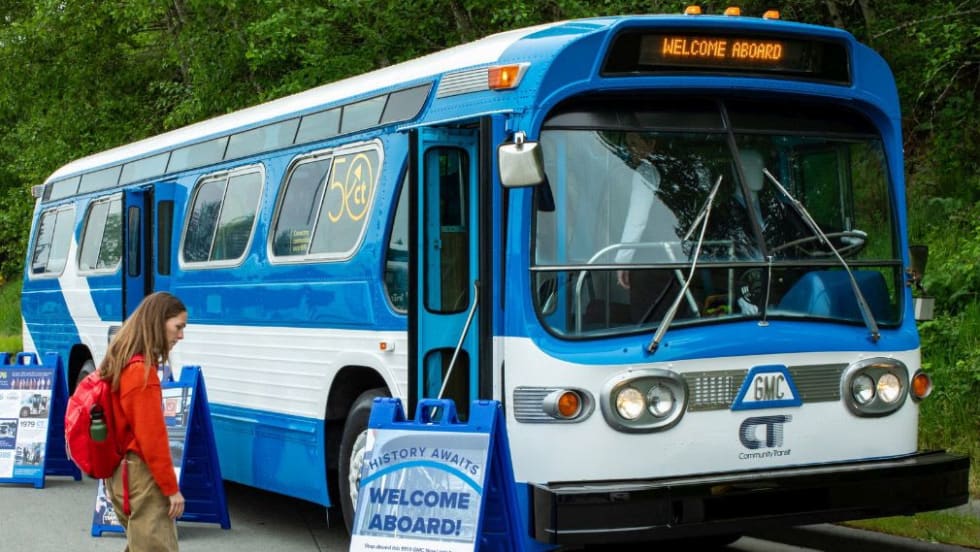
Washington's Community Transit Celebrates 50-Year Milestone
The milestone highlights both the agency’s history and its evolving role in meeting the region’s growing mobility needs.
Read More →
ABQ RIDE Forward's Next Phase Sets Target Date
ABQ RIDE Forward is the first transit system overhaul in more than 25 years. This latest phase marks 15% completion of the 16-phase rollout, which will continue over the next several years.
Read More →