



KCATA making services more accessible, eco-friendly and safe
The Kansas City Area Transportation Authority is well on its way through several projects that will make its services more accessible and environmentally friendly, while also improving safety for passengers and employees.

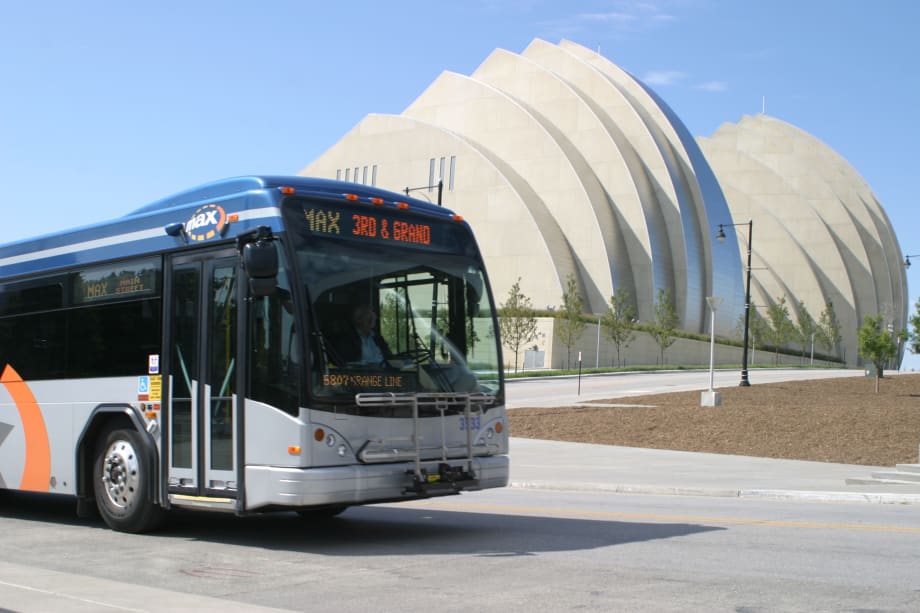
Within three years, KCATA is expected to use approximately 700,000 diesel gallon equivalents of CNG per year

The Kansas City Area Transportation Authority (KCATA) is well on its way through several projects that will make its services more accessible and environmentally friendly, while also improving safety for passengers and employees.
In 2010, KCATA, the Mid-America Regional Council (MARC) and Johnson County Transit were awarded the region’s first $50 million TIGER (Transportation Investment Generating Economic Recovery) grant from the FTA to make infrastructure and transit improvements in Greater Kansas City. In all, the grant funded 120 projects across the region, including improved transit facilities, sidewalks and curb replacement, street resurfacing and traffic signal improvements.
“One of the things that made it appealing to the FTA, I think, was it was a region-wide coordinated effort,” explained Mark Huffer, KCATA’s GM. “We had projects in multiple corridors, two different states, and four or five governing jurisdictions.”
With the recent completion of a new pedestrian bridge, KCATA celebrated its final TIGER-funded project at a ceremony in late April.
What made KCATA’s use of TIGER funds unique was that more than half of the funds were spent within a “Green Impact Zone” (GIZ), with one of the largest expenditures being new sidewalks and walkways, including the pedestrian bridge. The bridge opened in April and leads to ADA-compliant transit stops where passengers wait for hybrid electric rapid commuter buses and make local and regional transit connections.
“The GIZ is a 150-square block area within the urban core of Kansas City, Mo.; an area that really has a lot of economic needs,” said Dick Jarrold, director, system development & engineering. “The project really was a major infrastructure improvement for that part of town. The underlying objectives of the program were to connect the community with transit and better infrastructure as well as stimulate economic growth through the investment and the long-term improvement of infrastructure.”
Regional transit connections also funded by TIGER include the new Shawnee Mission Metcalf Connex bus line that connects in the GIZ and the State Avenue Connex bus line that connects downtown Kansas City, Mo. with downtown Kansas City, Kan.
In all, the $50 million grant is credited with the creation of 2,455 permanent jobs and transportation benefits totaling $710 million, according to Regional Economic Models Inc., a company used by MARC to calculate economic impact.

Environmental leadership
To aid KCATA in its transition to compressed natural gas (CNG) for its buses and paratransit vehicles, the agency awarded a 10-year operation and maintenance contract to Clean Energy.
KCATA presently has two of its new Gillig CNG buses already in service with 23 more on the way, and plans to acquire approximately 15 additional CNG buses each year until its entire 256 bus fleet is replenished.
“We did a very thorough due diligence on the cost of vehicles, facility conversions we would need to do and installation of a CNG fueling station, and after a pretty extensive process, we determined the Return on Investment (ROI) would come in a relatively short period of time,” said Huffer. “So, we worked with our board and passed a resolution that said all the vehicles we use, both revenue and non-revenue, should use alternative fuels.”
Huffer added at full conversion in approximately 15 years, KCATA will save about $2.4 million a year in diesel fuel costs, with the agency reaching its ROI in about six years, if they are able to replace buses as they come due without having to hold onto them longer.
“At six years, we should replace about half the fleet, with everything after we reach our ROI just pure savings,” Huffer said.
Once installation of the fueling station is complete, KCATA will be able to fuel its buses in about four minutes, compared to the 15 minutes it is presently taking to fuel its buses at a city maintenance facility.
Within three years, KCATA is expected to use approximately 700,000 diesel gallon equivalents of CNG per year, which reduces greenhouse gases by 1,622 metric tons per year, the equivalent of taking 335 cars off the road per year.

Improving safety
One final initiative currently underway at KCATA is improving safety on its buses for both passengers and employees.
“Last year, we had several high profile assaults that took place here in Kansas City, so we implemented a safety task force to find a way to mitigate the risk of assaults that were happening to both our passengers and employees,” said Sam Desue, director, bus transportation.
The task force is made up of employees from multiple departments as well as the Amalgamated Transit Union Local 1287, which represents KCATA’s operators. The group met about 14 times from September 2013 to January 2014 and developed more than 60 potential short- and long-term opportunities.
To start, KCATA is in the implementation phase of five of those initiatives: Improving the time it takes to respond to incidents by adding a dispatcher and road supervisor to its ranks; increasing police presence to 180 budgeted hours of patrol per week for Fiscal Year 2015; installing safety partitions on up to 25 buses — a project currently under development with Bentech; enhancing its code of conduct; and creating an exclusion policy for passengers who assault drivers or other passengers or otherwise violate KCATA’s rules.
“We discussed the purpose and the goal of the task force, and then we put different committees together to go out and research and have conversations with other agencies around the Midwest, as well as throughout the U.S., to see what issues they were facing and how they attempted to address them,” Desue said. “Realistically, we are looking at the end of the year to have the first five initiatives completed.”
More Bus
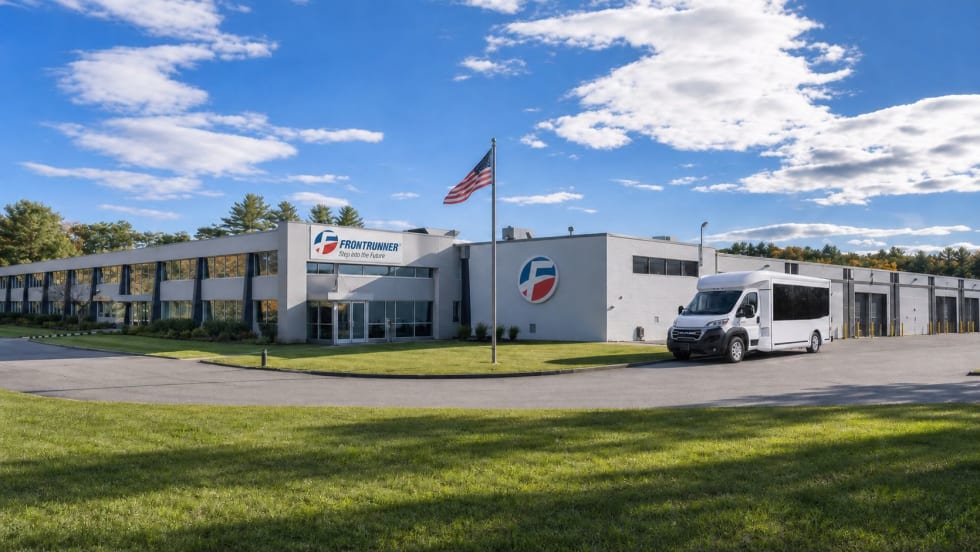
Frontrunner Bus Group Expands with New Massachusetts Headquarters
The significantly larger facility will provide the infrastructure needed to support the company’s growing workforce, advanced technologies, and expanding product line.
Read More →
Joshua Schank on Transportation Innovation, Risk, and the Future of Mobility
In this edition of METROspectives, Joshua Schank discusses lessons from launching LA Metro’s Office of Extraordinary Innovation, the challenges of advancing new mobility technologies, and much more.
Read More →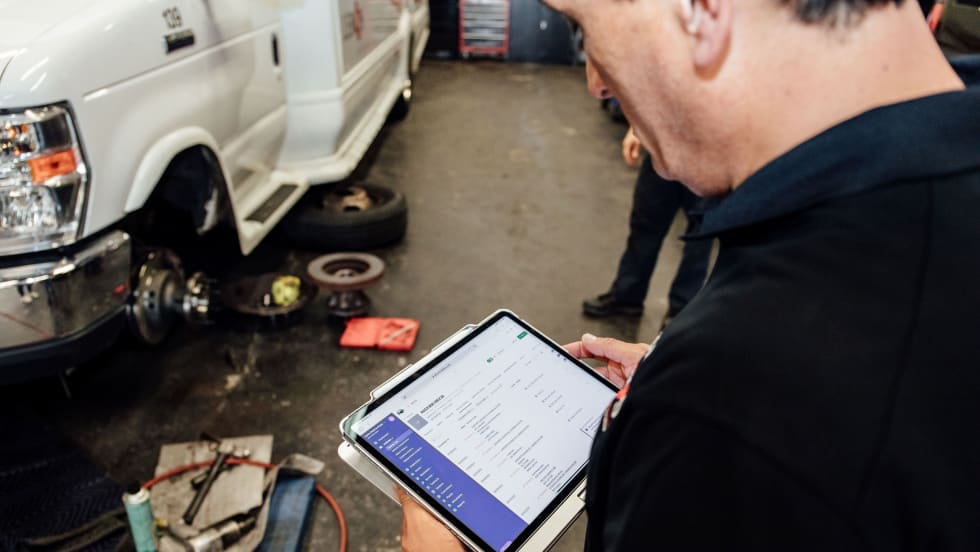
Reinventing Fleet Maintenance with Real-time Visibility and AI
Transit leaders need to know what needs fixing, where to look, who is responsible, when work is completed, and what it costs without having to chase information across disconnected systems.
Read More →
SamTrans Sets Priorities for Potential Connect Bay Area Revenue
The board-approved framework allocates future funding to maintaining service, rider improvements, equity initiatives, and infrastructure repairs.
Read More →
When Routine Fails: How Public Transit Must Adapt for the World Cup
The 2026 FIFA World Cup will test transit agencies’ ability to manage unpredictable travel patterns, making real-time data and operational flexibility critical to moving millions of visitors efficiently.
Read More →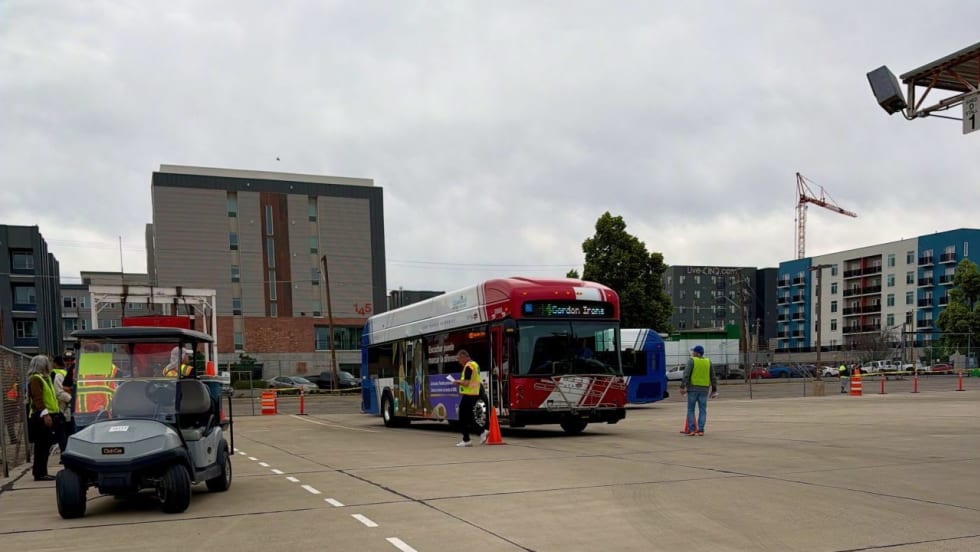
Photo Highlights from APTA's 2026 Mobility Conference
The photo gallery captures scenes from the conference, including the International Bus Roadeo, exhibit hall activities, the Bus Showcase, and much more.
Read More →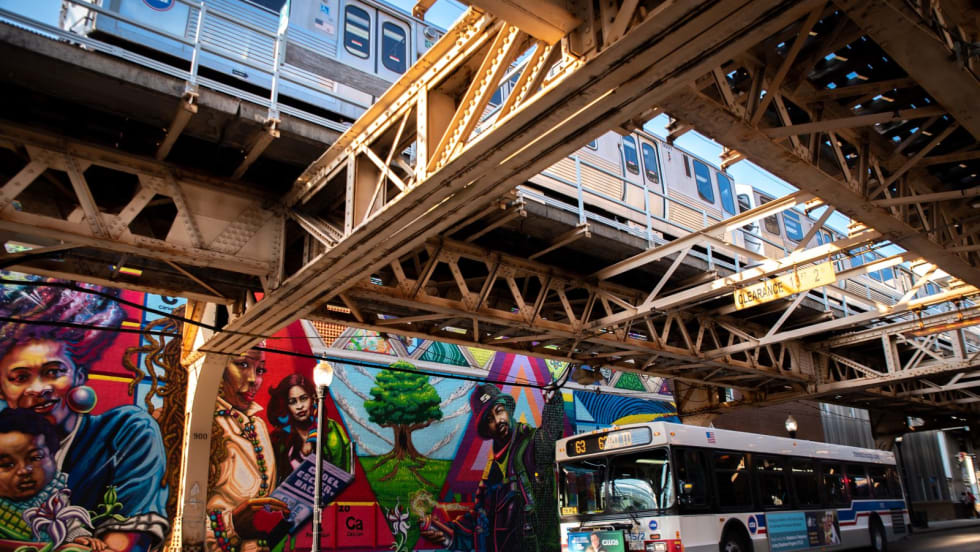
Chicago's NITA Act Moves Into Next Phase as Service Improvements Begin
Rider-focused improvements will begin rolling out across the system immediately as CTA, Metra, and Pace increase service this summer in the six-county region.
Read More →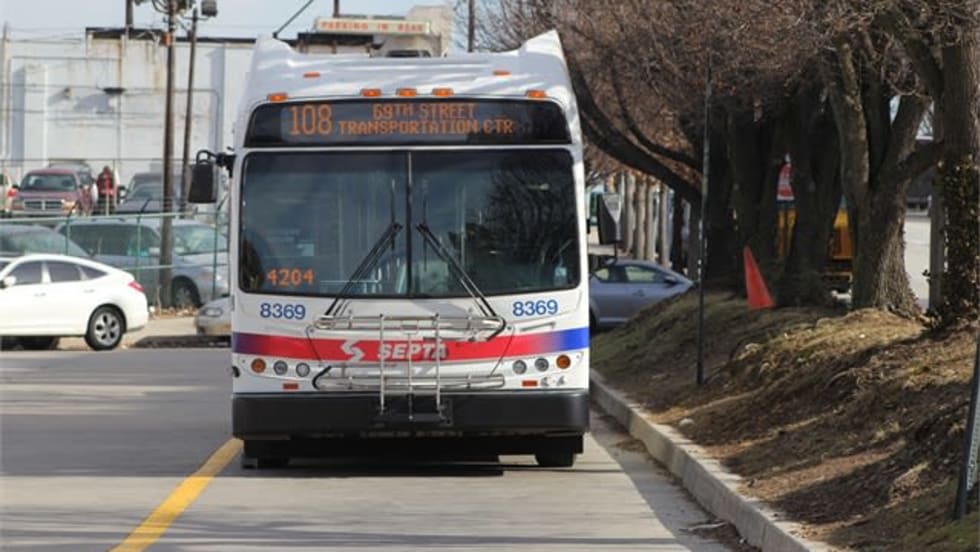
Philadelphia's SEPTA Approves Annual Transit Service Plan
Between 2021 and 2024, SEPTA held more than 200 public meetings — including 144 in-person sessions — throughout the SEPTA service region.
Read More →
A True Low-Floor Minibus Design Delivers Better Accessibility and Efficiency for Everyone
As transit demands evolve, so should your fleet. Download the whitepaper to see how the Low-Floor Frontrunner Minibus compares to traditional options.
Read More →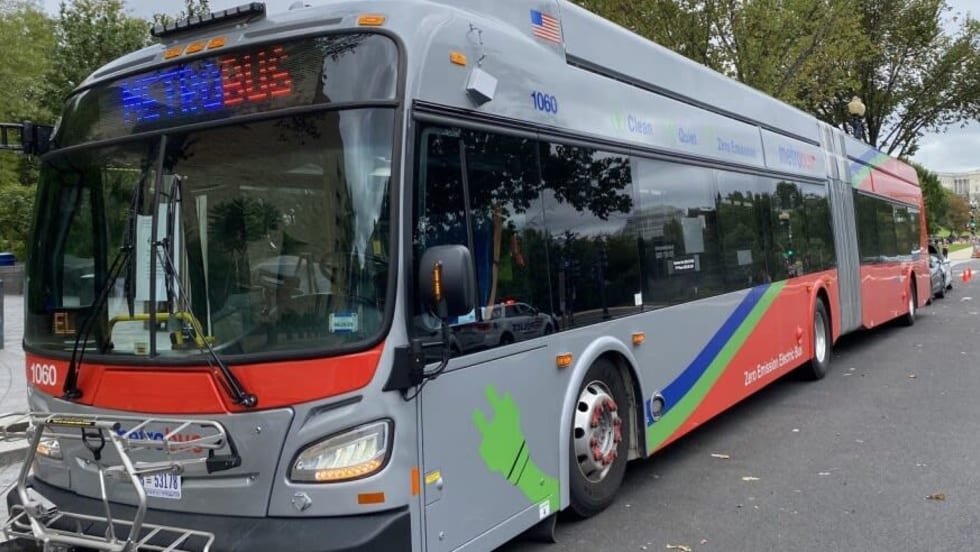
WMATA Debuts 'Fares Pay for Service' Awareness Campaign
The campaign was highlighted during a media event at the Paul S. Sarbanes Transit Center in Silver Spring, where WMATA’s GM/CEO Randy Clarke joined Metro Transit Police officers, WMATA management team, board members, and staff to expand fare enforcement and customer education efforts on Metro Bus routes throughout the region.
Read More →