|
Sponsored by Metro Magazine
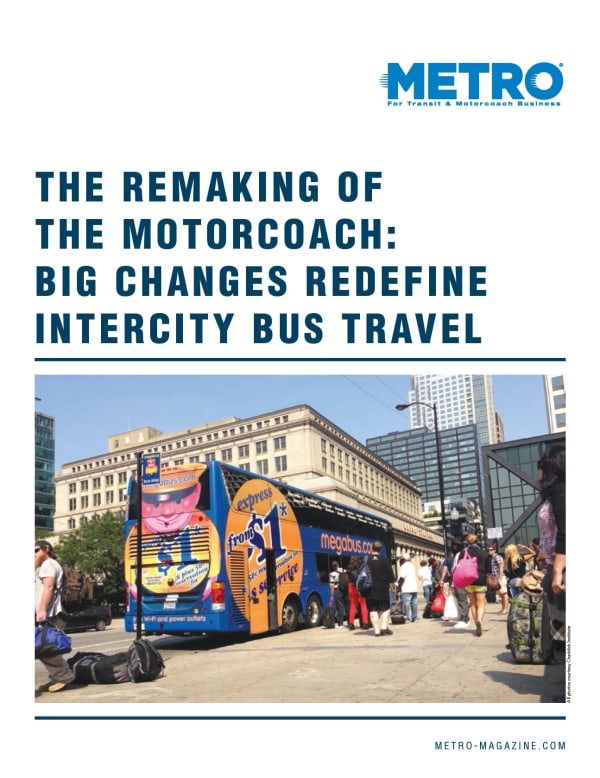
Scheduled bus lines throughout the country appear ready for takeoff. That is, they are methodically adopting the qualities of airlines, with all the complexities and strategic challenges involved. Dynamic scheduling, sophisticated pricing, reserved seating and even frequent traveler programs are giving the sector a makeover. The heightened competition is bringing added turbulence to a once sleepy mode of travel and rapidly changing its public image.
|
|
Sponsored by Metro Magazine
Leaders in the transportation industry have long recognized that success depends on how well one can communicate their vision into a reality. Managing a multi-million dollar public transit operation is a serious venture. Many leaders underestimate the importance of designing an organization's future. Detailed planning and seamless communication is essential to reaching a vision. Having a goal to be world-class is hard work.
|
|
Sponsored by Metro Magazine
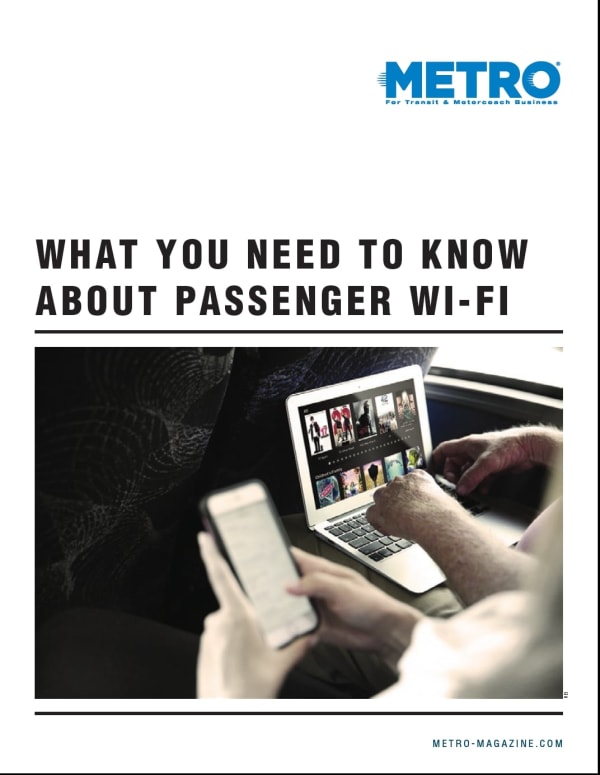
Internet connectivity is expected everywhere as people are increasingly becoming more and more used to being connected wherever they are. The latest figures from Ericsson show global mobile data consumption has increased by 55% over the past 12 months. As the demand for Wi-Fi services on public or private transportation systems continues to grow, it’s important for operators to consider essential elements, including equipment, bandwidth and future integration, before equipping their fleets.
|
|
Sponsored by Metro Magazine
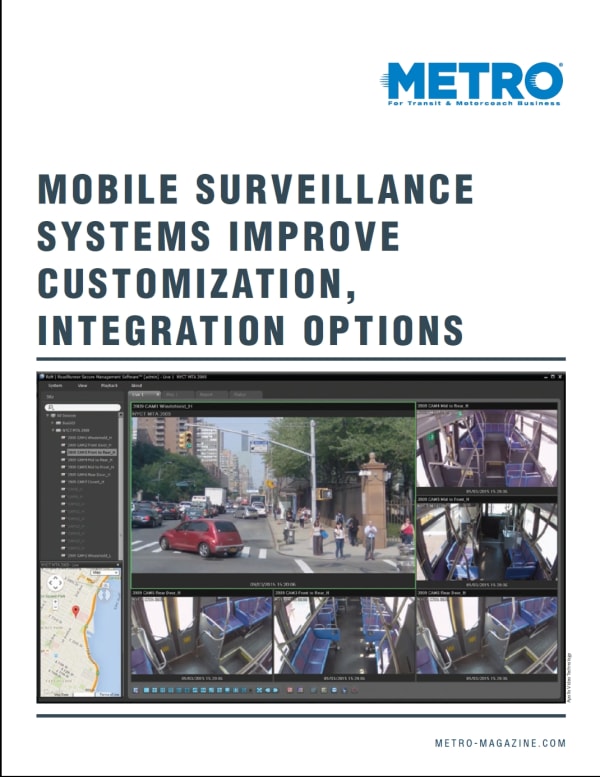
Innovations in mobile surveillance technology have led to higher-quality video and a wider range of options for fleet operations. High-definition video gives transit agencies detailed footage of incidents, and improvements in memory and storage have made it much more cost-effective for operations to use these solutions.
|
|
Sponsored by Metro Magazine
Transit systems are facing shrinking budgets and rising costs. Many are looking for different ways to raise revenue. An option is either to create or optimize revenue from an advertising program (allowing interior, exterior, shelter or transit book advertising).
|
|
Sponsored by Metro Magazine
The purpose of this white paper is to analyze the hazard of cell phone use while operating a transit vehicle, by examining system safety principles, available information in the public domain, recent transit incidents and policies. By Michael J. Conlon, Director of Rail and Bus Safety, Metro Transit.
|

|
Sponsored by Metro Magazine
While it is difficult to try to generalize every operator and create a single marketing plan that could be rolled out across multiple companies, there are indeed some “best practices” that every company should implement when creating their own strategic plan. Some “best practices” that every company should implement include “engineering an experience” for customers, using email marketing data, developing a responsive website and investing in a social media presence.
|
|
Sponsored by AT&T Business
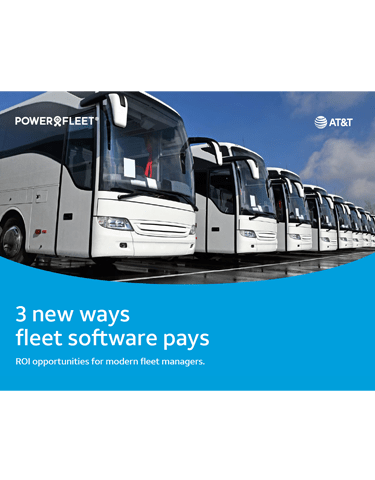
Transit agencies depend on safe, reliable vehicles to deliver consistent service. This eBook examines how next-generation fleet software helps agencies move from reactive processes to proactive operations through automated maintenance, real-time safety insights, and integrated data. Learn how fleets are improving uptime, safety outcomes, and operational efficiency.
|
|
Sponsored by Micro Bird
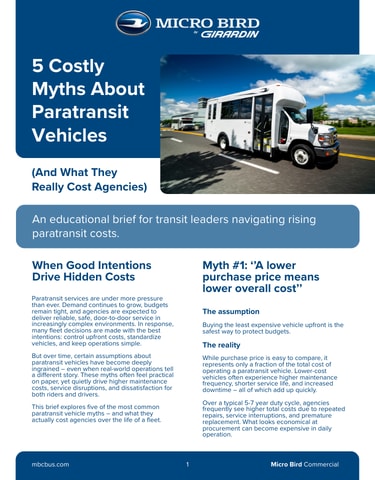
What agencies often overlook when selecting vehicles.
|

|
Sponsored by Metro Magazine
Fleet procurement comes with a set of challenges, many of which are unique to public-sector spending. The money that public transit systems spend belongs, in large part, to the taxpayers and the lead in any purchase process is accountable to them as well as other internal and external stakeholders.
|
|
|
|
You are currently subscribed as @{Email Name}@. Manage your email preferences.
Bobit Business Media is located at PO Box 2703, Torrance, CA 90509
|
|
|
|