
Metro Magazine

 MENU
 SEARCHMENUSEARCH
Proper gas-detector placement is critical to maintaining safety in transit maintenance facilities, requiring agencies to consider fleet fuel types, ventilation, shop operations, and ongoing equipment maintenance.
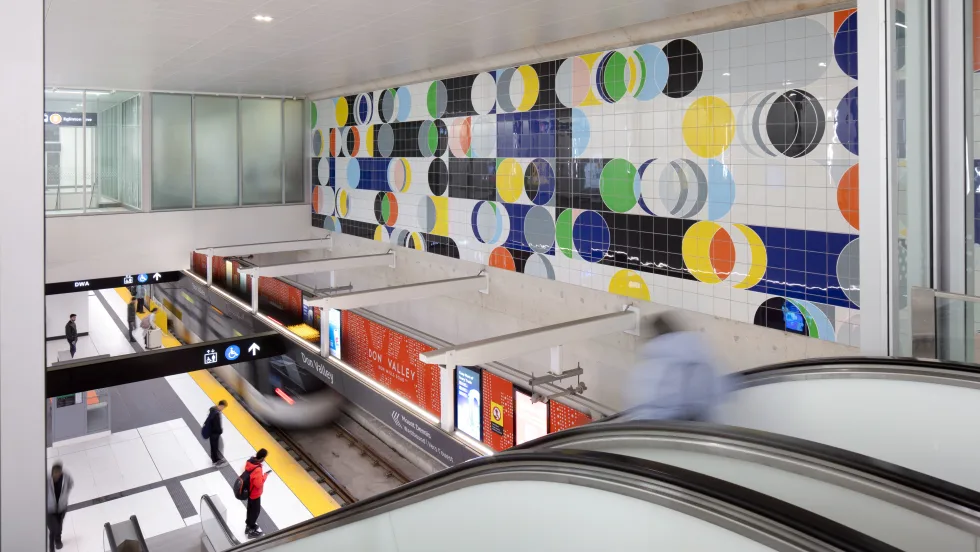
As younger generations embrace multimodal mobility over private vehicles, transit agencies can rethink station design, the passenger experience, and public transportation's role in building connected communities.
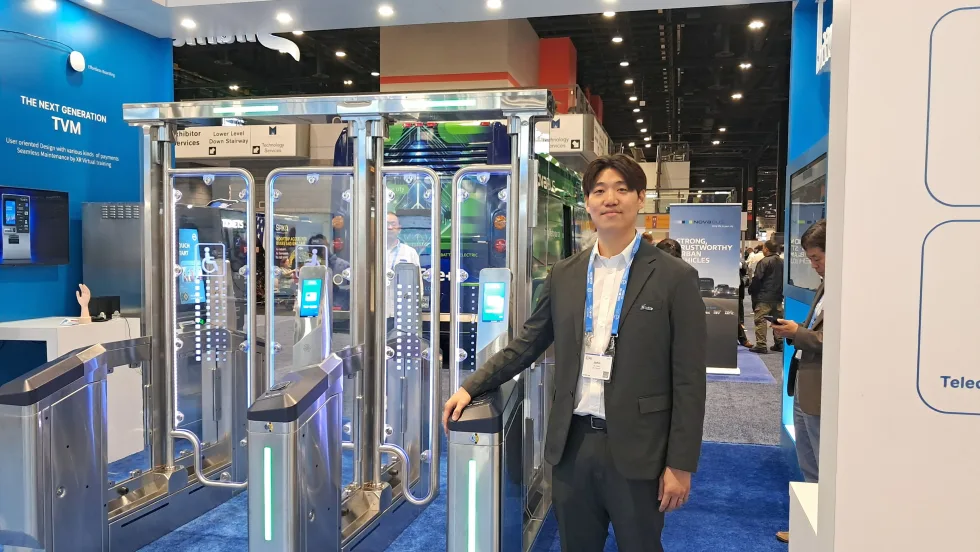
John Moon, Associate Director, Product Strategy at STraffic, discusses the company's growth in North America, its efforts to reduce fare evasion, and more.
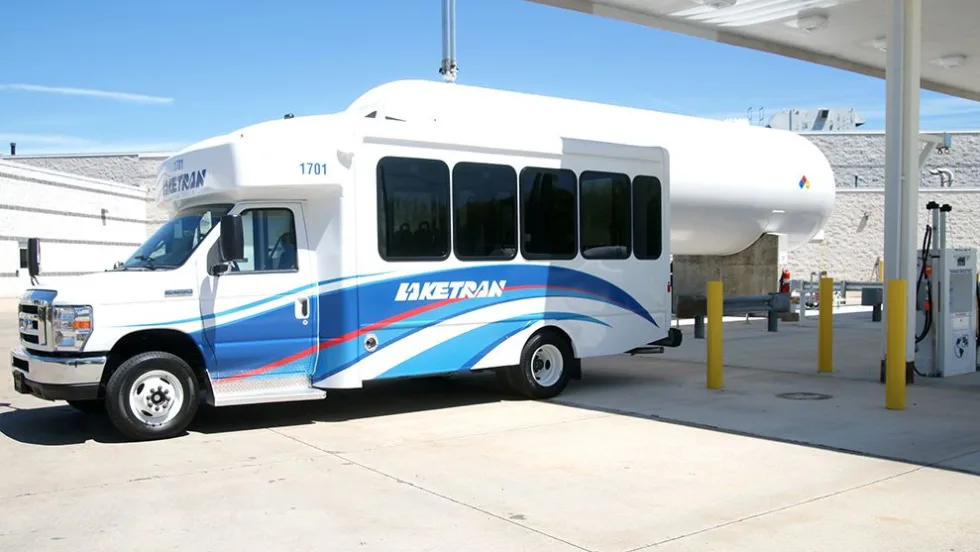
The Ohio transit agency is using propane-powered vehicles and on-site fueling infrastructure to cut fuel and maintenance costs while meeting growing demand for paratransit services.

A small municipality shows how flexible service, rider needs, and public accountability can expand mobility with limited resources.
COO Jake Sion discusses Transit’s growth, the success of its Transit Royale program, and how technology is helping agencies improve the rider experience.

Sprocket Power’s on-site energy system is designed to manage charging costs, reduce pressure on the electric grid, and prepare the Long Island transportation provider for expanded electric fleet operations.

Austin Transit Partnership CEO Greg Canally discusses the city's nearly 10-mile light rail project, its collaborative approach to project delivery, the importance of community engagement, and the milestones ahead as construction approaches in 2027.

As cyber threats grow more sophisticated, rail operators must move beyond compliance-based security measures and adopt integrated, risk-based strategies that protect critical infrastructure, maintain safe operations, and build long-term resilience.

The railroad’s shift to electric service has brought more frequent trains, stronger customer satisfaction, and increased ridership, earning it APTA’s Outstanding Public Transportation System award.