November 1, 2026
Financing, Fleet Replacement Require a More Strategic Approach
Executives from ABC Companies and MCI discuss how rising costs, changing market conditions, and post-pandemic challenges are prompting motorcoach operators to rethink financing strategies, fleet replacement cycles, and long-term planning.
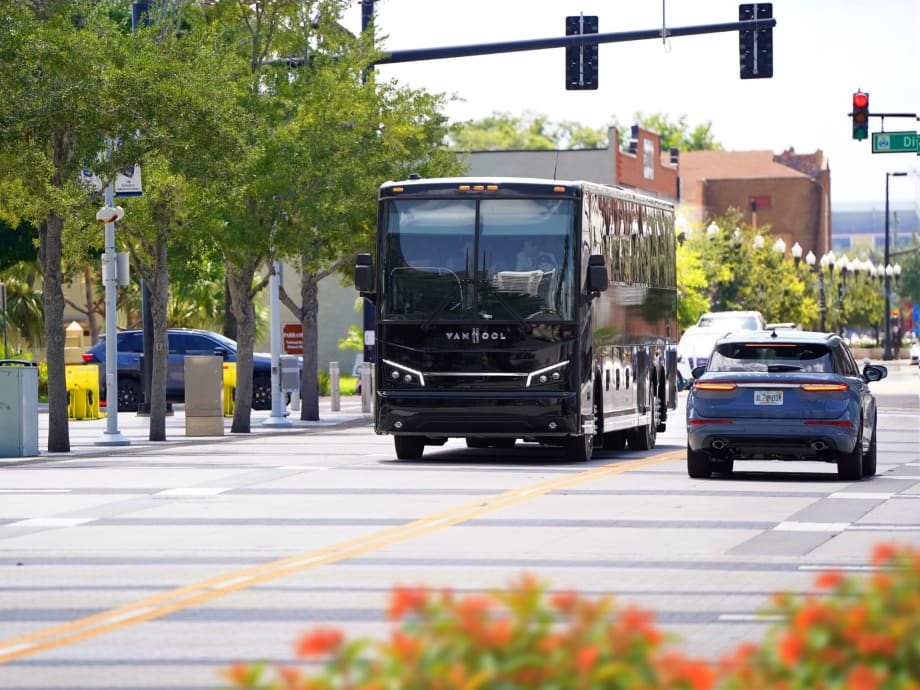
Executives from ABC Companies and MCI emphasize the importance of proactive fleet planning and financing strategies that align with operators' business needs, contracts, and replacement cycles.
Credit:
ABC Companies
6 min to read
- Rising costs and market changes are compelling motorcoach operators to reevaluate their financing strategies.
- Fleet replacement cycles are being reconsidered due to post-pandemic challenges in the industry.
- Long-term planning is becoming increasingly important for motorcoach operators in adjusting to new conditions.
*Summarized by AI
Motorcoach operators are taking a more deliberate approach to financing and fleet replacement as higher vehicle costs, elevated insurance expenses, and changing market conditions affect purchasing decisions.
While the fundamentals of commercial vehicle financing have remained largely consistent, operators are paying closer attention to cash flow, equipment utilization, replacement timing, resale value, and the structure of their financing, according to Gregg Goedde, VP of Financial Services at ABC Companies, and Tony Pederson, Regional Manager, Financial Services, at MCI.
Goedde said affordability remains one of the industry's primary pressure points.
“Affordability is a common pressure point,” he said, citing higher coach prices, interest rates, and insurance costs. While current interest rates are not historically high, they are higher than the unusually low rates operators became accustomed to before the pandemic.
Goedde said. “Historically, rates are below average and remain very competitive.”
Operators Take Closer Look at Replacement Timing
The pandemic also changed how operators evaluate fleet decisions. Goedde said operators have become more risk-aware and analytical when determining when to acquire or replace equipment.
Rather than simply buying a new vehicle as business increases, operators are evaluating alternatives, including pre-owned coaches, alternative financing structures, and trade-in timing.
“They're more thoughtful on the timing,” Goedde said, pointing to cash flow, financing structure, tax advantages, and trade values as factors being considered. “It's a much more detailed process than it has been.”
Pederson said COVID caused many operators to delay their replacement cycle as businesses worked to restore revenue and lenders sought evidence of recovery. As business conditions have stabilized, operators have begun replacing equipment again.
“COVID definitely had a hand in delaying this process,” Pederson said. “Coming out of it, they wanted to make sure that they had good revenue generation. Lenders, we’re going to want to see that as well.”
The decision to replace ultimately depends on an operator's business model, contracts, and equipment utilization. Pederson said maintenance costs and downtime can be particularly important indicators.
For some operators, the replacement decision comes when a vehicle spends too much time in the shop relative to the revenue it generates.
“When business analysis’s has been completed to replace a coach, that is when we start the conversation with the operator about securing the right financing for the new coach,” Pederson said.
Financing Aligned With Business Needs
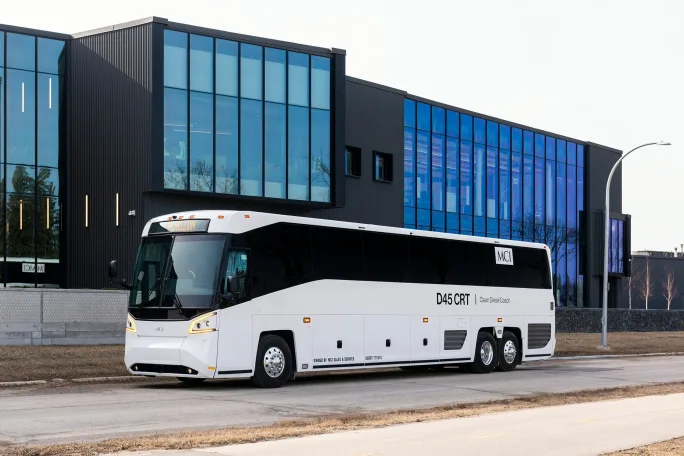
Motorcoach operators are increasingly evaluating maintenance costs, vehicle utilization, resale values, and cash flow when determining the best time to replace aging equipment.
Credit:
MCI
Both executives emphasized that financing should be part of a broader fleet strategy, not a transaction that begins when an operator decides to purchase a coach.
Goedde said ABC approaches financing as a consultative process, evaluating the operator's overall business rather than simply finding a way to finance an individual vehicle.
“We're more of a consultative finance resource than we are a lender,” Goedde said. “We are really key at helping operators look at a full picture.”
That picture can include payment and maintenance costs, downtime, trade value, existing contracts, vehicle age, and long-term needs. Operators can then evaluate whether a loan, lease, or financing structure tied to a particular contract makes the most sense.
Goedde said operators are increasingly using financing structures designed to reduce risk, including larger down payments, shorter terms, or paying cash for equipment.
Pederson said loans and TRAC Leases remain the predominant financing products. A TRAC Lease can offer a lower monthly payment because the lender takes the coach's depreciation and, in exchange, offers a lower interest rate. However, operators must weigh the cost/benefit of a TRAC Lease's lower payment against the tax advantages of owning the equipment through loan financing and depreciating it.
“A TRAC Lease does bring a slightly reduced monthly payment,” Pederson said. “But the offset to that is if the owner-operator needs the depreciation, because it is their single largest tax haven, if you will, for them. So, it's the trade-off.”
Pederson also said financing terms can be structured around an operator's anticipated replacement cycle. An operator planning to replace a coach after five years, for example, might choose a shorter financing term or a structure that aligns the residual value with that timeline.
“Those are probably some of the bigger things that we look at when talking to owner-operators; it's really trying to time the financing with their business mix,” he said.
Ultimately, demand remains the primary driver of equipment purchases.
“If an operator is making the move into a new coach, they really have to analyze their business mix to justify the purchase,” Pederson said. “You don't want the vehicle going back to the lender or having to manage through an early collections situation because you jumped too far too fast.”
Goedde similarly advises operators to evaluate whether a new vehicle will generate enough additional revenue to justify the investment, including business that may come beyond the initial contract.
“It's a cost-benefit analysis to confirm that you increase your revenue enough incrementally,” he said. “Is there a particular contract and additional opportunities to make it beneficial to invest in a new vehicle?”
Planning Can Improve Fleet Economics

Rising vehicle prices, insurance costs, and changing market conditions are prompting motorcoach operators to take a closer look at financing options and fleet replacement decisions.
Credit:
ABC Companies
Both executives pointed to planning as an important component of fleet modernization.
Goedde said operators who start early have more options for vehicle specifications, pricing, financing, and trade-ins.
“Proactive planning is probably the biggest factor,” he said. “Operators who plan early typically have more options, greater control, and lower costs. Planning helps maximize flexibility and minimize expenses.”
Planning can also help operators maximize the value of equipment they intend to sell or trade. Goedde said giving a manufacturer or financing partner advance notice creates more opportunities to reduce potential pre-payment penalties and identify buyers in advance to maximize the value.
“The earlier we understand your business, your needs and wants, the more we can help you,” he said. “Our goal is to provide a solution, not just sell a bus.”
Pederson said market conditions remain an important factor in fleet renewal, with demand patterns varying among line-run, charter, tour, and employee-shuttle operations. Contracts can also establish vehicle-age requirements that influence replacement decisions.
For operators, he said, the goal is to match equipment needs with the properly structured financing to support their business needs.
The post-pandemic market has also created a gap in the used-coach market because fewer vehicles were produced and purchased during the pandemic years, adding another factor operators must consider when deciding whether to buy new or used equipment.
For Goedde, the broader challenge is predictability. Vehicle costs, insurance, fuel, and equipment availability have all fluctuated sharply in recent years.
“Could we just get some normalization?” Goedde asked. “That would really help customers get comfortable.”
Until conditions stabilize, both financing and replacement decisions will likely remain closely tied to an operator's business model, cash flow, contracts, and equipment needs. As Goedde put it, operators are no longer simply asking whether they need another bus; they are examining the broader financial and operational consequences.
Quick Answers
Motorcoach operators are rethinking financing strategies due to rising costs, changing market conditions, and challenges that have emerged in the post-pandemic environment.
*Summarized by AI
Loading data...