



Five Questions: Rep. John L. Mica (R-Fla.)
Having long been recognized as a national leader on a variety of transportation issues, Rep. John L. Mica (R-Fla.) was recently elected by his peers in the House of Representatives to serve as the Chairman of the House Transportation and Infrastructure Committee (T&I), the largest Congressional panel in Congress. He succeeds long-time Chairman James L. Oberstar.

"A short-term bill is not acceptable, either for creating jobs or building major infrastructure projects," says incoming Chairman Mica.
[IMAGE]MET2-Mica-2.jpg[/IMAGE]Having long been recognized as a national leader on a variety of transportation issues, Rep. John L. Mica (R-Fla.) was recently elected by his peers in the House of Representatives to serve as the Chairman of the House Transportation and Infrastructure Committee (T&I), the largest Congressional panel in Congress. He succeeds long-time Chairman James L. Oberstar.
Managing Editor Alex Roman: Discuss some of the important factors that still need to be addressed before passing an authorization bill, and if there is a timetable set.
For nearly a year and half, the surface transportation programs have been operating under a series of short-term extensions, and the current extension expires on March 4, 2011. Congress will be forced to extend these programs again to provide enough time to prepare and consider a long-term, fiscally responsible reauthorization bill that makes the wisest use of the federal government's limited resources, eliminates waste and red tape, and helps address the high unemployment rate in America.
The Committee's goal is to consider a long-term bill this spring. Without the predictability of a long-term reauthorization, transit agencies and state departments of transportation have been unable to plan for major capital projects. Job creation gets put on hold. The House and Senate must move a surface transportation reauthorization as soon as possible in order to improve our infrastructure and put people to work.
With the new Congress in place, are there any new hurdles that need to be addressed? Do you see passing an authorization bill in the 112th Congress any more difficult/easy than in the previous session?
Finding ways to do more with less is our immediate challenge so that we can make improvements in our infrastructure. Wasteful programs can be eliminated, and consolidation of duplicative programs can help us better align our spending with the revenue we collect. It is also important that we move a long-term bill early, with the goal of enacting it by September.
Could a short-term bill be passed?
A short-term bill is not acceptable, either for creating jobs or building major infrastructure projects.
Please give your opinion on the importance of the Omnibus, commuter tax benefit and alternative fuel tax credit program extensions.
Public transit agencies and industries such as bus and railcar manufacturers, engineering, design and construction companies, and equipment providers depend on the federal transit program. Predictability is a key concern for these localities - they need to know how much in federal funding they will receive for capital investment in transit infrastructure and vehicles, so they can put together long-term plans for bus and railcar replacement, system maintenance and expansion.
In the past, the commuter tax benefit has encouraged transit use. The current extension of the benefit through the end of 2011 will continue to cap the monthly benefit for the tax-free employee set-aside for transit at $230 a month, the same as the cap for the parking tax benefit. Without this extension, the transit benefit would have dropped to $120 a month. The appropriate monthly cap for both of these benefits will likely be debated as the next surface transportation reauthorization bill is developed.
Discuss some of the goals you hope to accomplish as Chairman.
Enacting long-term authorizing legislation for the Federal Aviation Administration and surface transportation and infrastructure programs are high priorities.
Another primary goal will be streamlining the project delivery process to improve the efficiency of constructing projects. The I-35W bridge that collapsed in Minneapolis-St. Paul was rebuilt within 437 days. It normally takes projects of that magnitude seven to eight years just to go through the approval process, before a shovel can even be put in the ground. We can take lessons learned from that project and apply them to other projects across the country. It is important that we dramatically improve the project approval time for all infrastructure projects.
It is also important that we reform and improve the transit New Starts process. In recent years, we have seen some transit projects passed over by the New Starts program because it takes too long to move through the pipeline. We must continue to set the bar high for New Starts funding to ensure that cost effective projects are prioritized, but we must also cut red tape so that projects are approved in a timely manner.
More Bus

Finding the ‘Happy Medium’: Optimizing Maintenance Without Sacrificing Reliability
The key to maintenance optimization isn’t doing less work—it’s doing the right work at the right time on the right assets.
Read More →
LA Metro, City of West Hollywood, and Partners Advance Smarter Bus Lane Enforcement
The award-winning partnership combines AI-powered detection with human oversight to improve bus reliability, accessibility, and enforcement efficiency.
Read More →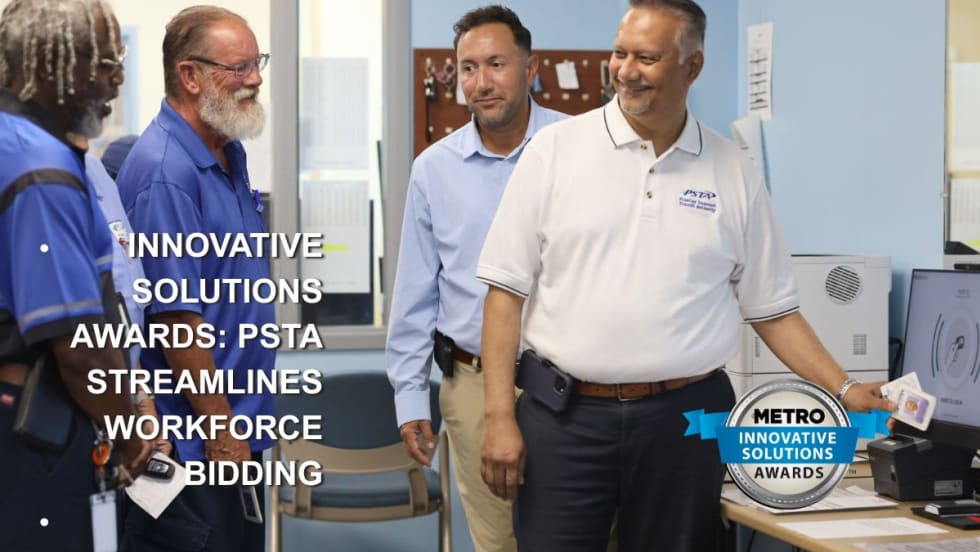
PSTA Modernizes Workforce Management with Digital Bidding System
The award-winning Workforce Transit Modernization project replaced paper bidding with a transparent digital platform, cutting administrative effort while improving access for operators.
Read More →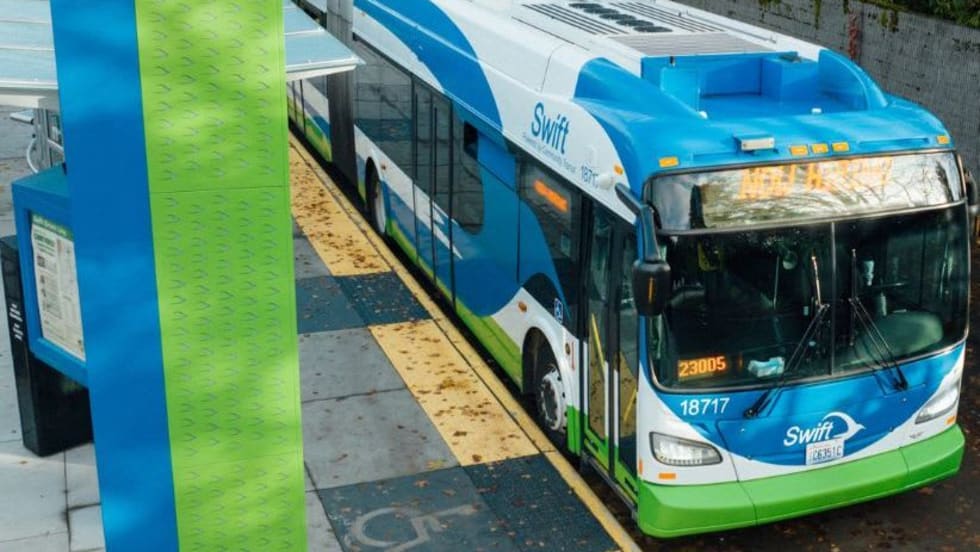
Washington's Community Transit Sets Six-Year Roadmap for Growth, Expansion
Approved TDP targets more bus service, new mobility options, Swift BRT expansion, and a potential Everett Transit annexation.
Read More →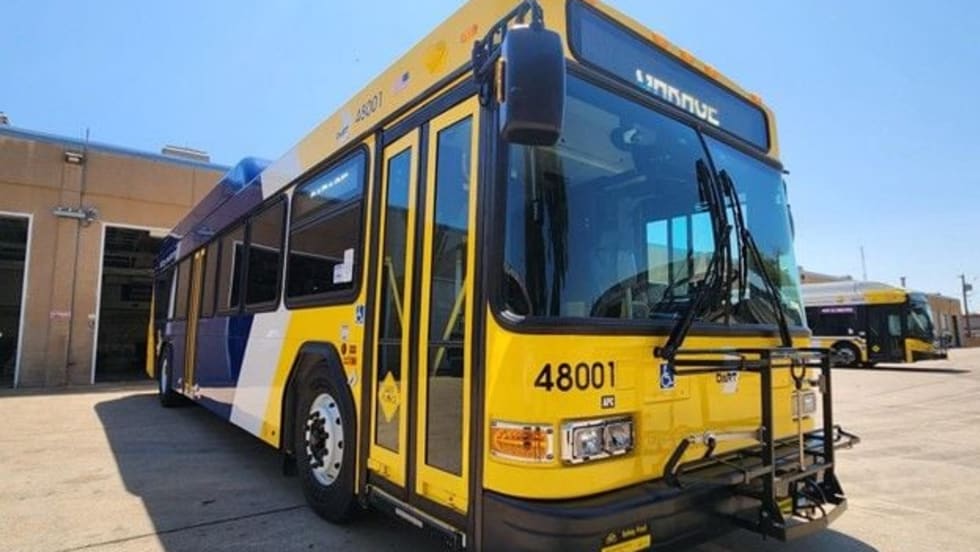
DART Customer Satisfaction Reaches Six-Year High
Overall satisfaction rose to 74.9%, while the agency’s Net Promoter Score reached a record 33.7.
Read More →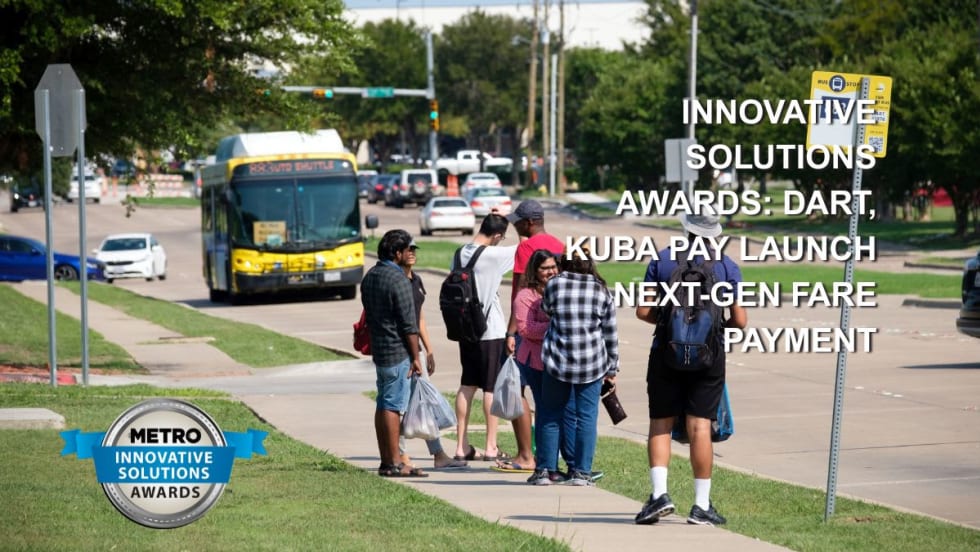
How DART's GoPass Is Redefining Regional Mobility
Serving 14 transit agencies, GoPass simplifies multimodal travel by allowing riders to plan, pay for, and manage an entire trip through one app.
Read More →
Biz Briefs: OCTA Taps Clean Energy for Hydrogen Station, Stadler to Supply Via Rail Vehicles, and More
From manufacturers and suppliers to transit agencies and motorcoach operators, these updates offer a snapshot of the projects, partnerships and business moves driving the industry forward.
Read More →
METRO Magazine Announces 2026 Innovative Solutions Awards Winners
Projects Recognized for Advancing Mobility Through Technology, Accessibility, Workforce Innovation, and Operational Excellence
Read More →
Biz Briefs: STV teams with Amtrak, Motorcoach Operators Boost Fleet and Land Contracts, and More
From manufacturers and suppliers to transit agencies and motorcoach operators, these updates offer a snapshot of the projects, partnerships and business moves driving the industry forward.
Read More →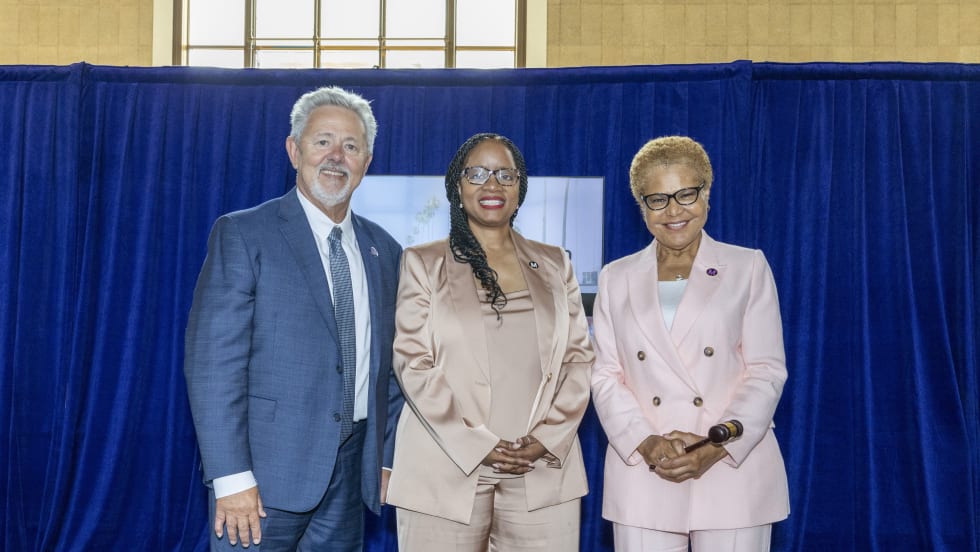
LA Metro Marks Banner Year, Sets Ambitious Goals for New Fiscal Year
Incoming LA Metro Board Chair and Los Angeles Mayor Karen Bass joined outgoing Board Chair Fernando Dutra and LA Metro CEO Stephanie Wiggins to review accomplishments from fiscal year 2026, which included the opening of new rail extensions, advancement of major transit projects, expanded safety programs, and new rider amenities.
Read More →