



Megabus reinventing intercity travel
Megabus.Com - Paramus, N.J.

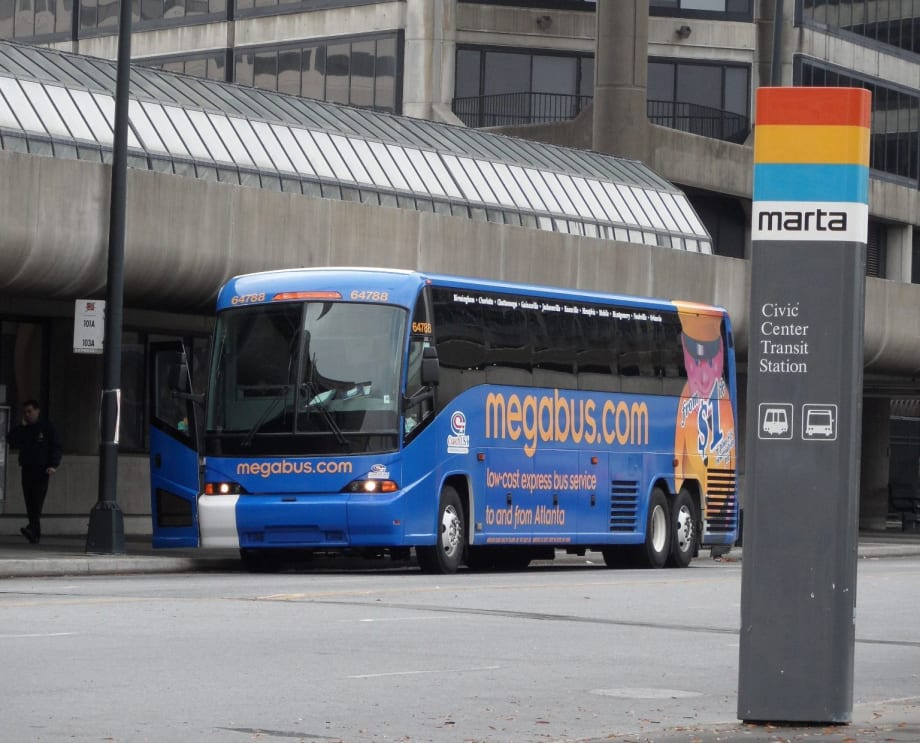
Moving from zero brand recognition five-and-a-half years ago at its inception to transporting one million passengers every 42 days, Paramus, N.J.-based megabus.com has made great strides in the intercity travel market. Some say the company, a subsidiary of Coach USA, has even reinvented it, making it even more convenient and affordable and attracting more customers as a result.
In April 2006, Coach USA created the company, which introduced the concept of purchasing a ticket online instead of having to buy it at a terminal. This gave customers the added convenience of shopping for the best prices — sometimes for as low as $1 — and departure times.
"It's pretty much an Internet-based business from the time you book a trip...that's an element that consumers have really enjoyed," Dale Moser, president/COO, megabus.com says.
Additionally, once a customer buys a ticket, they are guaranteed a seat on the bus leaving at the departure time they selected. "Historically you walked up to the terminal, bought a ticket, then got in line, [only] to find out you may not go on that trip. You have to go on another bus," Moser adds.
Megabus.com also chose central city locations for its pick-up and drop-off points, providing easy access to other forms of transportation, including trains, cabs and buses located within walking distance in a safe area to hotels, restaurants, theaters and shopping. Additionally, the coaches make minimal stops between destination points.
"We go from major destinations to other major cities, with maybe one stop in between, [usually] a driver rest stop or an inter-point that serves as a driver rest stop and pickup place," Moser says.
Using double-deck coaches is another way Megabus provides value and keeps their practices green. With a passenger capacity of 81, a double-deck can seat more people, making it 33% more green than the standard motorcoach, Moser says. For example, he explains, trips from New York to Washington, D.C., use only 25% of the fuel that would normally be used if 60% of the passengers on a full bus were driving their cars.
"We're mitigating our demand on fossil fuels, and the 2010 engines we're using right now give off 10 times less carbon dioxide than the average automobile, per government statistics," Moser explains.
As Moser sees it, a clear indication that megabus.com helped to reinvent intercity motorcoach travel in North America is the significant number of carriers introducing similar services.
"We're flattered [and] delighted by that. It gives the traveling public more opportunity and options," he says.
Moser also points to the DePaul University's Chaddick Institute for Metropolitan Development report, released in 2010, which found that even though motorcoach ridership had been in decline for 30 consecutive years, in 2007 for the first time it had increased by 4.1%.
"[The report's authors] attributed the increase and turnaround to Megabus, because we were reinventing the service and recasting it," Moser says. "It was getting new travelers that were not your customary bus travelers out of the car, off the plane and onto the motorcoach."
The operator's ridership is still increasing, at 38% year over year, Moser says. Continuing that growth, the carrier recently expanded into the Southeast region of the U.S., creating a hub in Atlanta in response to feedback from both customers and potential customers asking for the service. Over the last couple of years, Moser says, the carrier has seen a huge volume of requests from people in the Southeastern U.S., who either used the service in another part of the country or had family or friends use it, to bring Megabus to various cities in the region.
To tap that feedback, Megabus.com embraced social media, including Facebook, Twitter and Tumblr, focusing on getting close to its customer base, understanding their needs and designing programs to meet their needs. Social media, Moser says, offers"a whole new realm of opportunity to communicate with, listen to people, and then formulate your strategy based on consensus and what the end consumer's looking for. That's been our overall strategy and it has worked."
More Motorcoach
Prevost Opens Expanded Chicago-Area Service Center
The $8.1 million Elk Grove Village investment nearly triples facility space while adding service capacity, parts storage, and customer amenities.
Read More →
People Movement: Dan Dipert Coaches Adds Third-Generation Leader, Keolis Names New Valley Metro VP/GM, and More
In this edition, we also cover recent appointments and announcements at the Wabtec, SilverRide, HNTB, and more, showcasing the individuals helping to shape the future of transportation.
Read More →
METRO Opens Submissions for 2026 Motorcoach Awards
Nominations are now being accepted for METRO Magazine’s Operator of the Year and Innovative Operator of the Year awards.
Read More →
Biz Briefs: Alstom Lands Canadian Contract, LYT to Supply California TSP, and More
In METRO's latest installment, we take a look at recent news from Complete Coach Works, Beep, FlixBus, and more partnerships making headlines across the transportation sector.
Read More →
Biz Briefs: RIPTA Unveils New Frontrunners, Clevland RTA Adds New Siemens, and More
In METRO's latest installment, we take a look at recent news from Siemens, Prevost, Dodge, and more partnerships making headlines across the transportation sector.
Read More →
People Movement: Holly Arnold Joins Transdev and More
In this edition, we also cover recent appointments and announcements at Pace, CamTran, MCI, and more, showcasing the individuals helping to shape the future of transportation.
Read More →
ABA Report: Motorcoach Travel Generates $161.6B Economic Impact
The 2025 analysis finds motorcoach travel supported nearly 900,000 jobs and generated $28 billion in federal, state, and local taxes.
Read More →
CharterUP’s Armir Harris on Technology, AI, and the Future of Group Mobility
In a recent episode of METROspectives, CharterUP Founder/CEO Armir Harris discussed the company’s evolution from an online charter bus marketplace into a technology platform supporting public- and private-sector mobility and much more.
Read More →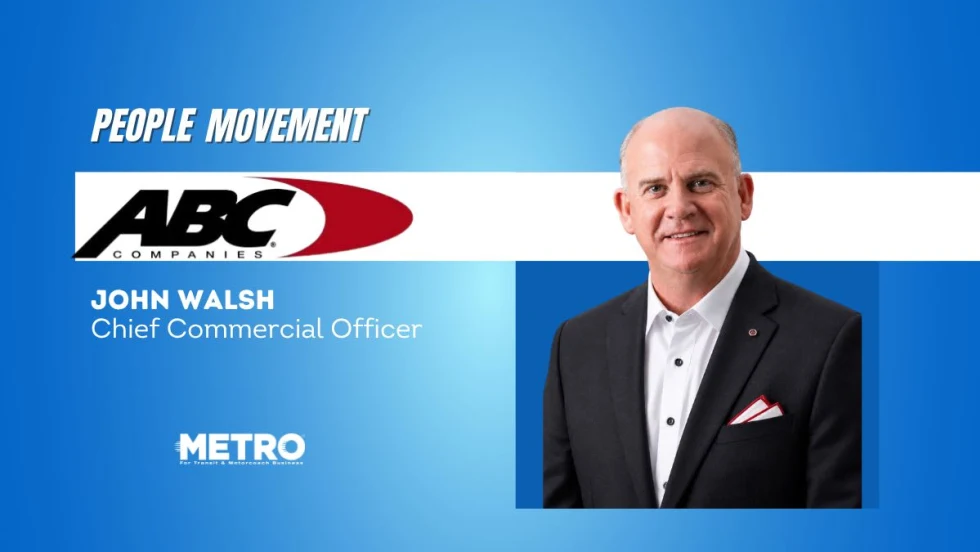
People Movement: ABC Names John Walsh as Chief Commercial Officer
In this edition, METRO also covers recent appointments and announcements at the DART, STV, and more, showcasing the individuals helping to shape the future of transportation.
Read More →
From Surviving to Thriving: Building Stronger Transportation Organizations
Bus Business Consultants founder Brian Dickson shares lessons on leadership, organizational health, and creating options for long-term success in a changing transportation industry.
Read More →