



NTSB issues safety recommendation to D.C. Metro
Calls for agency to evaluate track occupancy data on a real-time basis in order to detect losses in track occupancy and automatically generate alerts to prompt such actions as immediately stopping train movements or implementing appropriate speed restrictions to prevent collisions.

On Monday, the National Transportation Safety Board (NTSB) issued an urgent safety recommendation to the Washington Metropolitan Area Transit Authority (Metro) calling for enhanced safety redundancy of its train control system.
The recent accident on the Metrorail's Red Line between the Fort Totten and Takoma stations has shown that WMATA's train control system is susceptible to a single point failure, because it did not fail safe and stop a train when detection of a preceding train was lost.
The urgent safety recommendation issued on Monday calls for Metro to evaluate track occupancy data on a real-time basis in order to detect losses in track occupancy and automatically generate alerts to prompt such actions as immediately stopping train movements or implementing appropriate speed restrictions to prevent collisions.
The Safety Board made a second urgent recommendation to the Federal Transit Administration (FTA) urging the agency to advise all rail transit operators with train control systems capable of monitoring train movements to evaluate their systems for adequate safety redundancy.
Although the NTSB's investigation is not yet complete and no determination of probable cause has been reached, investigators have concerns regarding the safety redundancy of Metro's train control system.
The safety recommendation letter to Metro may be found here.
More Rail
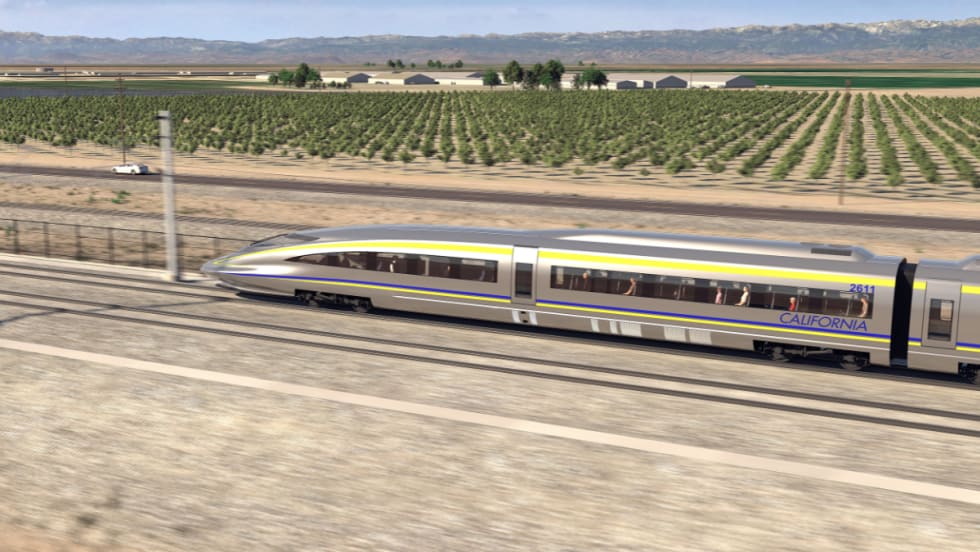
Keolis and SNCF Voyageurs Bring Rail Expertise to California High-Speed Rail
The CDA establishes a collaborative predevelopment partnership intended to evaluate future delivery opportunities through public-private partnership models.
Read More →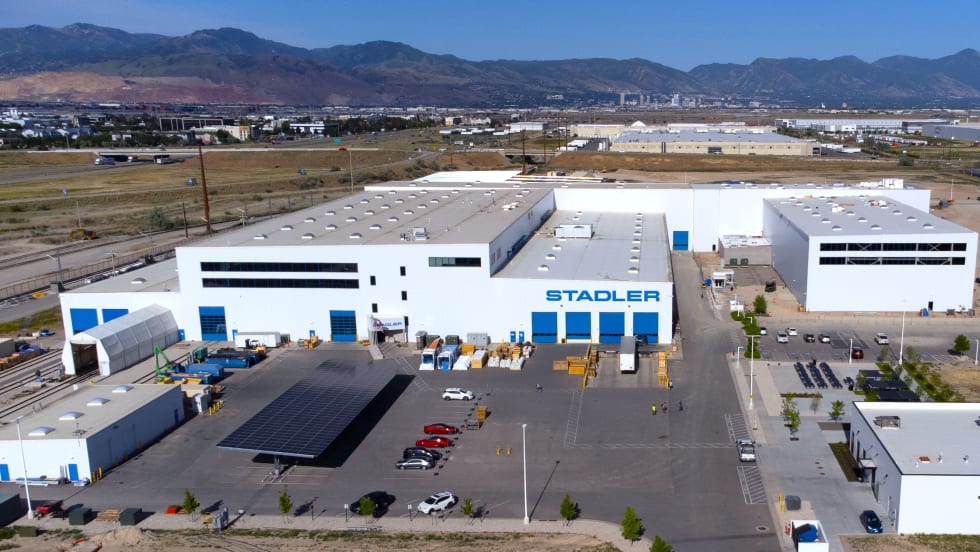
Stadler Marks 10 Years in the U.S. with Salt Lake City Expansion
The expansion is expected to create up to 300 new local jobs, some of which are youth apprenticeships, said Stadler officials.
Read More →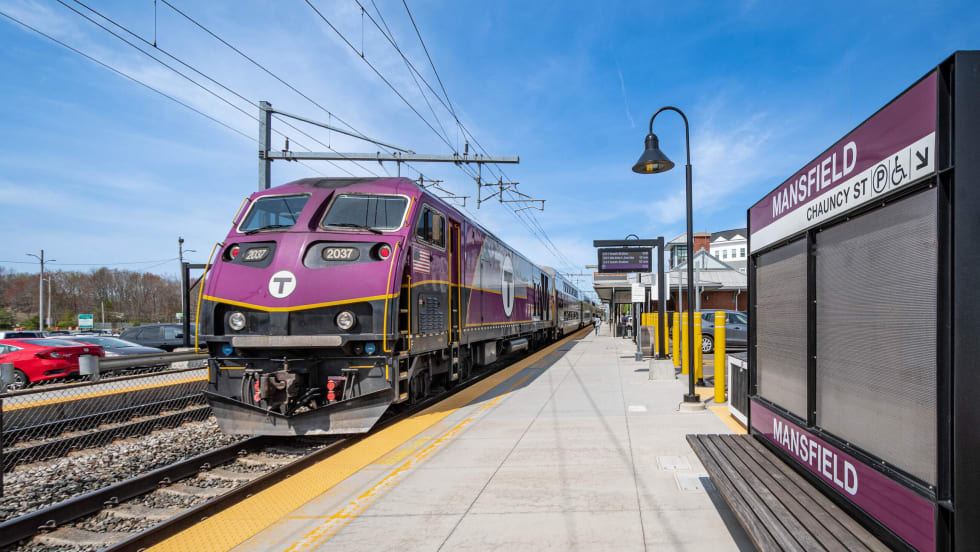
MBTA Selects STV to Support Battery-Electric Locomotive Procurement
The firm's seven-year contract includes end-to-end support from bid review and selection through procurement, production, and testing.
Read More →
Executive Order Aims to Improve Transit Access Across California
The order directs state agencies to streamline transit project delivery, improve coordination, and expand access to bus and passenger rail services across California.
Read More →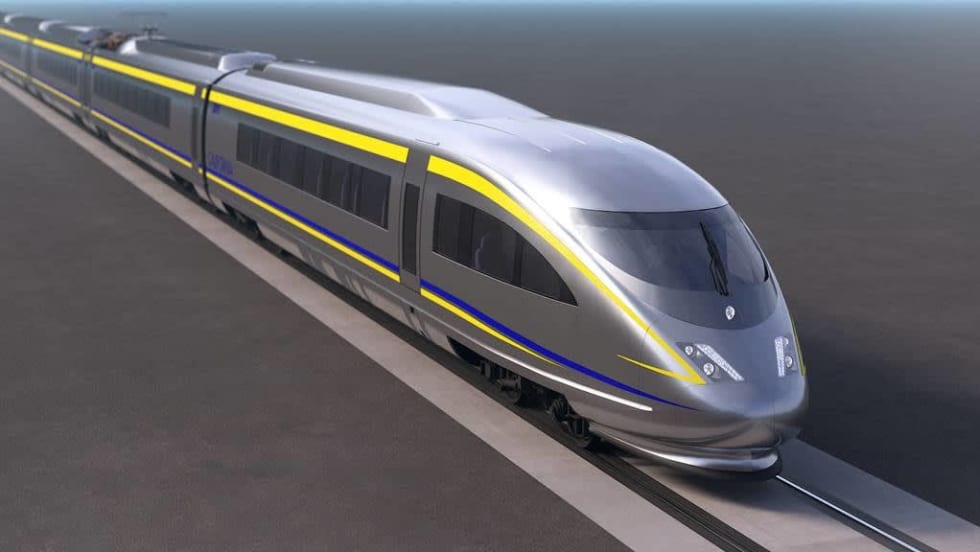
California High-Speed Rail Advances Merced–Madera Construction Procurement
The procurement represents a major expansion of active high-speed rail construction.
Read More →
Amtrak Finalizes Pre-Development Agreement for Penn Station Overhaul
The agreement advances plans for a $7 billion to $8 billion transformation of New York's busiest transit hub, with construction expected to begin by the end of 2027.
Read More →
New York MTA Leverages Zoning Program to Advance Station Accessibility
Accessibility enhancements at Nevins St Station will be financed through a development agreement tied to the MTA's Zoning for Accessibility initiative.
Read More →
Virginia's $28.5B Transportation Plan Targets Transit and Rail
Approved by the Commonwealth Transportation Board, the program supports ongoing infrastructure projects while providing new investments in transit, state of good repair and transportation alternatives.
Read More →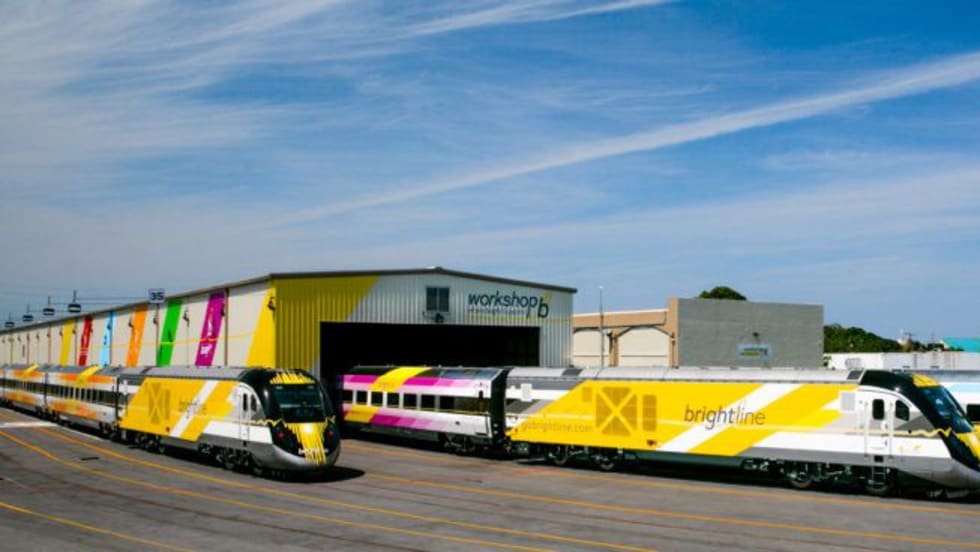
DOT: Brightline Corridor Incidents Fall 30% Following Federal Safety Upgrades
Safety improvements funded through a $25 million federal investment are credited with reducing trespassing and train-vehicle collisions along the Brightline Florida corridor.
Read More →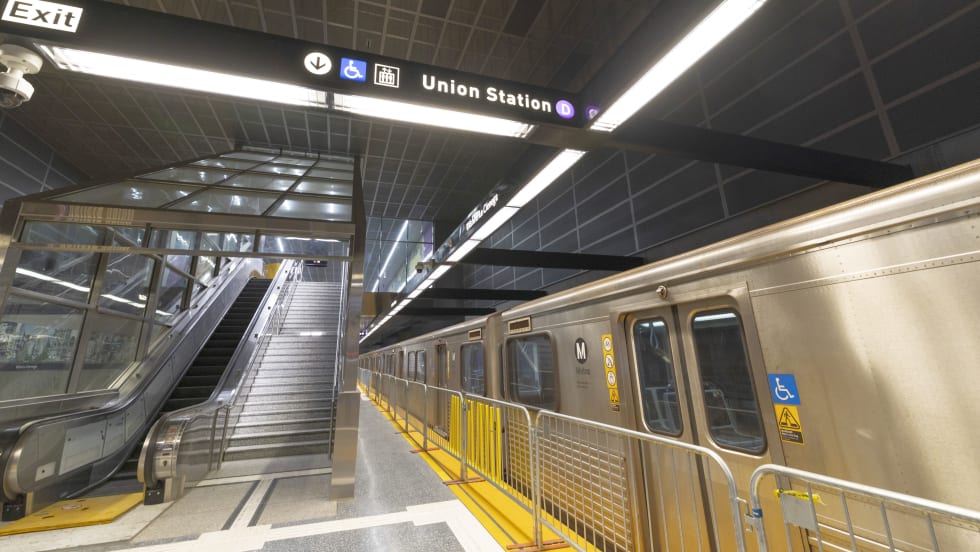
D Line Expansion Fuels Growth Across LA Metro's Rail System
Weekend rail ridership was especially strong, soaring 18% as riders embraced expanded access to jobs, entertainment, dining, and cultural destinations, said the agency. Total system ridership for May, including bus and rail, was 26,966,657.
Read More →