



TTI: Traffic costs $87B in fuel, lost productivity
Travelers spent one hour less stuck in traffic in 2007 than they did in 2006 and wasted one gallon less gasoline than the year before. The differences, though small, point to a break in near-constant growth in traffic over 25 years.

The recently released 2009 Urban Mobility Report published by the Texas Transportation Institute tracks a quarter century of traffic patterns in 439 U.S. urban areas from 1982 through 2007. The report was prepared by researchers David Schrank and Tim Lomax.
According to the report, travelers spent one hour less stuck in traffic in 2007 than they did in 2006 and wasted one gallon less gasoline than the year before. The differences, though small, point to a break in near-constant growth in traffic over 25 years.
Other highlights from the research illustrate the effects of the nation's traffic problems.
The overall cost (based on wasted fuel and lost productivity) reached $87.2 billion in 2007 - more than $750 for every U.S. traveler.
The total amount of wasted fuel topped 2.8 billion gallons - three weeks' worth of gas for every traveler.
The amount of wasted time totaled 4.2 billion hours - nearly one full work week (or vacation week) for every traveler.
Researchers recommend a balanced and diversified approach to reducing traffic congestion - one that focuses on more of everything. Their strategies include:
Get as much use as possible out of the transportation system we have.
Add roadway and public transportation capacity in the places where it is needed most.
Change our patterns, employing ideas like ridesharing and flexible work times to avoid traditional "rush hours."
Provide more choices, such as alternate routes, telecommuting and toll lanes for faster and more reliable trips.
Diversify land development patterns, to make walking, biking and mass transit more practical.
Adopt realistic expectations, recognizing for instance that large urban areas are going to be congested, but they don't have to stay that way all day long.
The Texas Transportation Institute, founded in 1950, is an agency of the Texas A&M University System.
To view the full report, visit http://mobility.tamu.edu.
More Bus

ENC Lands MATA Contract and More in Biz Briefs
In this edition of Biz Briefs, we spotlight the latest developments shaping the future of mobility.
Read More →
From Surviving to Thriving: Building Stronger Transportation Organizations
Bus Business Consultants founder Brian Dickson shares lessons on leadership, organizational health, and creating options for long-term success in a changing transportation industry.
Read More →
Everett Transit, Community Transit Outline Consolidation Agreement
The proposed agreement calls for a 50% increase in bus service in Everett, a new microtransit zone, continued paratransit service, and the transfer of Everett Transit operations to Community Transit.
Read More →
SEPTA Details Accelerate Vision for Transit System
The plan outlines investments in trolley modernization, new Metro and Regional Rail vehicles, accessible stations, and more frequent bus and rail service.
Read More →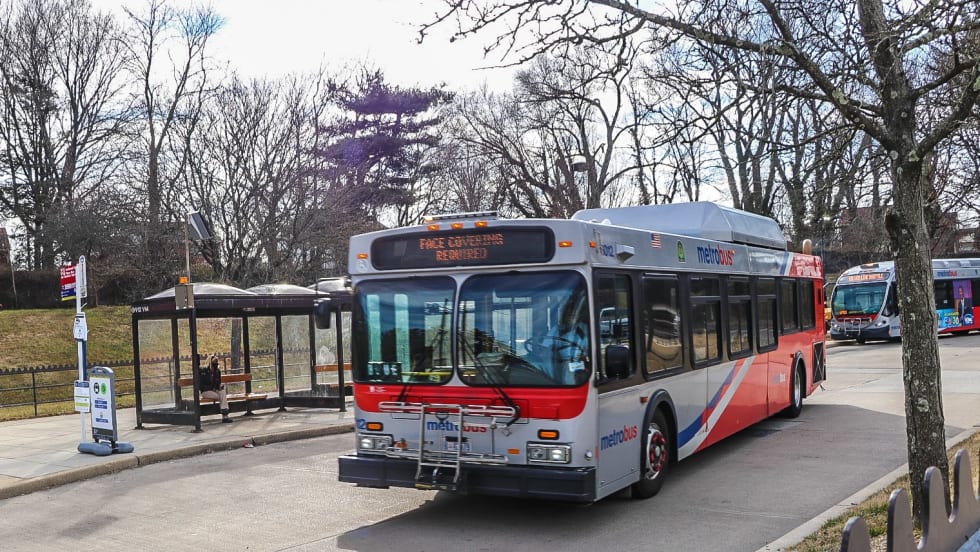
Report: Transit Bus Manufacturing Supports 34,100 Jobs, $5.1B in GDP
The “Buses Mean Business” report examines the transit bus manufacturing industry’s economic footprint, supply chain, and rising demand for vehicle replacements.
Read More →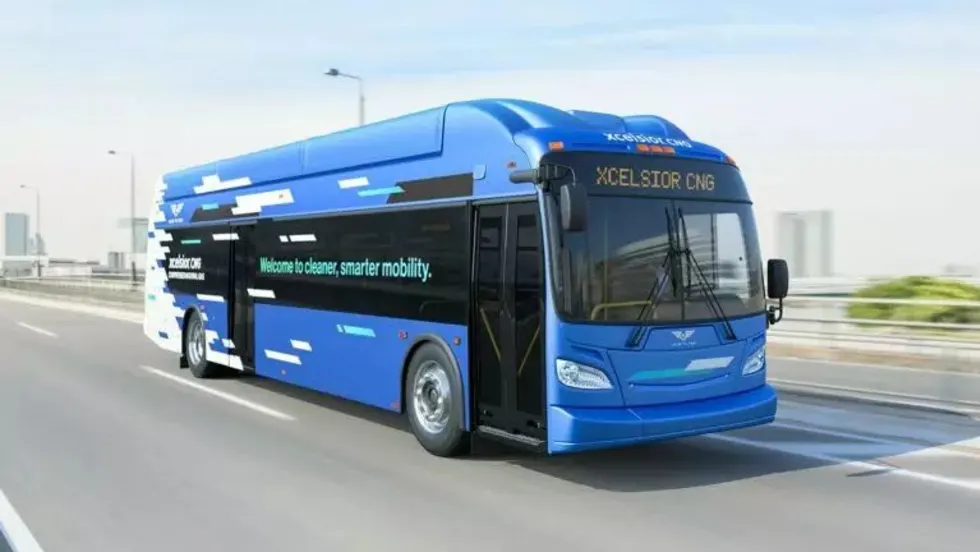
Biz Briefs: New Flyer Delivers in Columbus, Houston, Beep and Freebee Merge, and More
In this edition of Biz Briefs, we spotlight the latest developments shaping the future of mobility.
Read More →
People Movement: Dan Dipert Coaches Adds Third-Generation Leader, Keolis Names New Valley Metro VP/GM, and More
In this edition, we also cover recent appointments and announcements at the Wabtec, SilverRide, HNTB, and more, showcasing the individuals helping to shape the future of transportation.
Read More →
New York MTA Plans Largest Bus Fleet Upgrade in More Than a Decade
The agency is seeking manufacturers for 650 new CNG buses to replace aging vehicles, improve reliability, and advance its broader fleet modernization strategy.
Read More →
Building a Flexible Path to Transit Electrification
John Hroncich discusses BAE Systems’ modular and scalable approach, lessons learned from decades of real-world operations, and how agencies can identify electrification strategies that fit their fleets.
Read More →
Bus Tech Talk: Keeping Transit Technicians Ahead of the Technology Curve
LA Metro’s Obed Mejia discusses technician training, evolving maintenance technology, fleet replacement, and strategies for getting the most out of today’s transit fleets.
Read More →