



Report: Communities with quality public transit drive less, live longer
Transportation activity also plays a role in lessening an individual's risk in five of the 10 leading causes of reduced lifespan, as identified by the Centers for Disease Control and Prevention.


Study concludes that people living in transit-oriented "smart growth" communities enjoy several health benefits not seen in other communities, including residents driving less, which exposes them to a lower risk of fatal vehicle accidents. Photo credit: WMATA.
A new American Public Transportation Association (APTA) report, which surveys current research, found that people who live in communities with high-quality public transportation drive less, exercise more, live longer and are generally healthier than residents of communities that lack quality public transit.
"Evaluating Public Transportation Health Benefits," a study conducted for APTA by Todd Litman of the Victoria Transport Policy Institute, aggregates the findings of several recent studies and concludes that people living in transit-oriented "smart growth" communities enjoy several health benefits not seen in other communities, including residents driving less, which exposes them to a lower risk of fatal vehicle accidents.
Such communities also have less pollution, because public transportation produces far less emissions per passenger mile than private automobiles. In addition, people who live near quality public transit are more likely to undertake regular physical activity than residents of automobile-dependent communities, according to the report.
The APTA report notes, transportation activity also plays a role in lessening an individual's risk in five of the 10 leading causes of reduced lifespan, as identified by the Centers for Disease Control and Prevention (CDC). A recent CDC study evaluated causes of potential years of life lost, including cancer, heart disease, motor vehicle crashes and other causes. For example, "Pollution contributes to cancer and congenital anomalies [birth defects], and sedentary living ... contributes to heart disease and strokes," Litman wrote.
One solution is smart growth communities, according to Litman, who cited a 2003 study finding that urban residents had significantly lower violent death rates, whether from vehicle accidents or other causes.
Litman also noted that the 10 U.S. Counties with the "smartest," most transit-oriented growth have approximately one-fourth the traffic fatality rates as those counties with the most sprawling development.
Moreover, other recent studies have found that users of public transportation walk more than those who do not use public transit, regardless of income.
More Paratransit
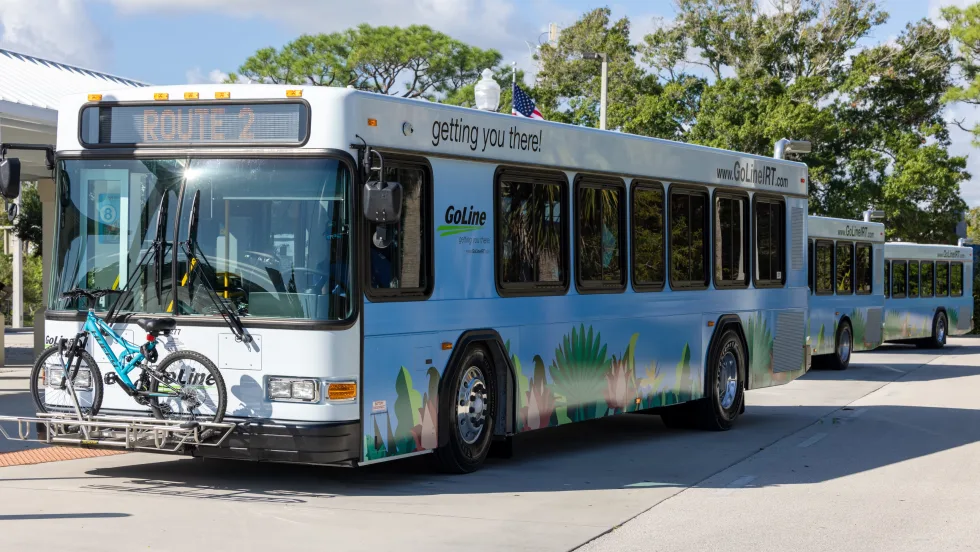
Indian River Transit’s Community-Focused Approach Earns National Recognition
Named APTA’s 2026 Outstanding Public Transportation System in its size category, Florida’s Indian River County transit system continues to grow ridership through fare-free service and a focus on evolving community needs.
Read More →
Everett Transit, Community Transit Outline Consolidation Agreement
The proposed agreement calls for a 50% increase in bus service in Everett, a new microtransit zone, continued paratransit service, and the transfer of Everett Transit operations to Community Transit.
Read More →
Driving Smarter Paratransit
John Hanlon shares how AlphaRoute is leveraging AI-powered technology to help paratransit providers optimize operations, support frontline staff, and enhance the rider experience.
Read More →
People Movement: Dan Dipert Coaches Adds Third-Generation Leader, Keolis Names New Valley Metro VP/GM, and More
In this edition, we also cover recent appointments and announcements at the Wabtec, SilverRide, HNTB, and more, showcasing the individuals helping to shape the future of transportation.
Read More →
Biz Briefs: RIPTA Unveils New Frontrunners, Clevland RTA Adds New Siemens, and More
In METRO's latest installment, we take a look at recent news from Siemens, Prevost, Dodge, and more partnerships making headlines across the transportation sector.
Read More →
King County Metro Makes ADA Paratransit Easier to Navigate
METRO's Innovative Solutions Award winner replaces complex service-area descriptions with an accessible, interactive map that puts paratransit information directly in customers’ hands.
Read More →
Jacksonville’s NAVI Project Charts a New Course for Autonomous Public Transportation
Through its NAVI program, JTA is showing how autonomous vehicles, intelligent infrastructure, and coordinated operations can work together to deliver everyday public transportation.
Read More →
Driving Smarter Paratransit
John Hanlon shares how AlphaRoute is leveraging AI-powered technology to help paratransit providers optimize operations, support frontline staff, and enhance the rider experience.
Read More →
METRO Magazine Announces 2026 Innovative Solutions Awards Winners
Projects Recognized for Advancing Mobility Through Technology, Accessibility, Workforce Innovation, and Operational Excellence
Read More →
Biz Briefs: STV teams with Amtrak, Motorcoach Operators Boost Fleet and Land Contracts, and More
From manufacturers and suppliers to transit agencies and motorcoach operators, these updates offer a snapshot of the projects, partnerships and business moves driving the industry forward.
Read More →