



Amtrak hits 17th consecutive month of ridership growth
Comparing the first six months of FY 2011 (October to March) to the same time period in FY 2010 shows ridership is up 5.9 percent, or 802,745 passengers. In addition, during that same period ridership has increased on all three of Amtrak's major business lines: Northeast Corridor up 3.9 percent, state-supported and other short distance corridors up 7.7 percent, and long-distance trains up 5.3 percent.

Amtrak marked 17 consecutive months of year-over-year ridership growth, ending with the best March ever for the company and putting the railroad on track to set another annual ridership record.
"Our ridership has grown more than 36 percent since 2000, and I expect that trend to continue — and if gas prices continue to rise — to accelerate. Our only restriction will be the available capacity," Amtrak President/CEO Joe Boardman told a House Appropriations committee considering the national passenger railroad's FY 2012 budget request last week.
This strong performance is part of a long-term trend that has seen Amtrak set annual ridership records in seven of the last eight fiscal years, including more than 28.7 million passengers in FY 2010.
Specifically, there was a 5.5 percent increase in riders in March 2011 vs. March 2010, or more than 137,000 passengers. The 17 straight months of year-over-year ridership growth spans from November 2009 to March 2011 and averages a 6.3 percent growth rate over this period.
Comparing the first six months of FY 2011 (October to March) to the same time period in FY 2010 shows ridership is up 5.9 percent, or 802,745 passengers. In addition, during that same period ridership has increased on all three of Amtrak's major business lines: Northeast Corridor up 3.9 percent, state-supported and other short distance corridors up 7.7 percent, and long-distance trains up 5.3 percent.
Over the past six months ridership also is growing onboard most individual Amtrak train routes and across the country with strong gains in the Northeast, Southeast, Midwest and California.
More Rail
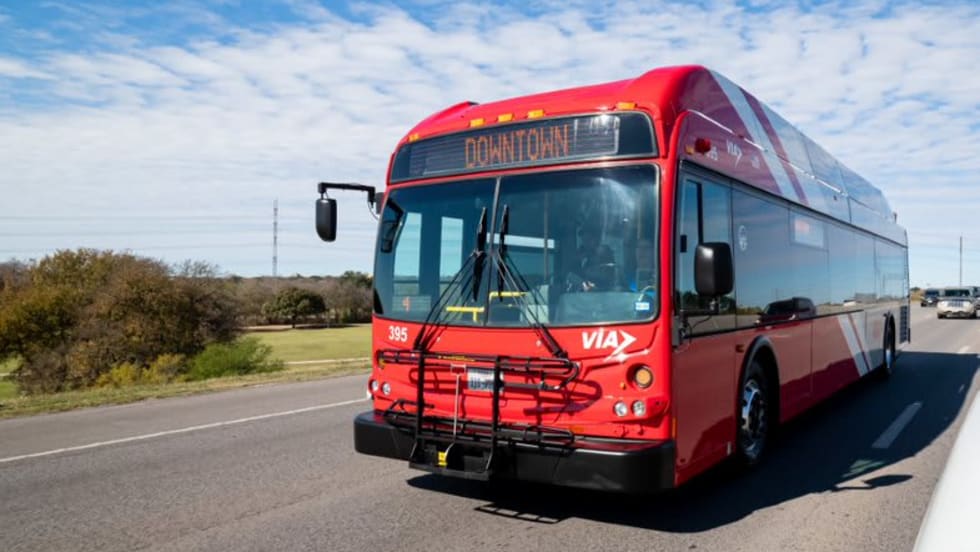
VIA, MBTA Reach Pre-Pandemic Ridership Milestones as Transit Use Climbs
VIA surpasses three million monthly trips for the first time since 2020, while the MBTA tops one million average weekday trips as both agencies report continued ridership growth.
Read More →
People Movement: Metrolink's Kettle Announces Retirement, Feakins to CEO at UZURV, and More
In this edition, we also cover recent appointments and announcements at King County Metro, SilverRide, and more, showcasing the individuals helping to shape the future of transportation.
Read More →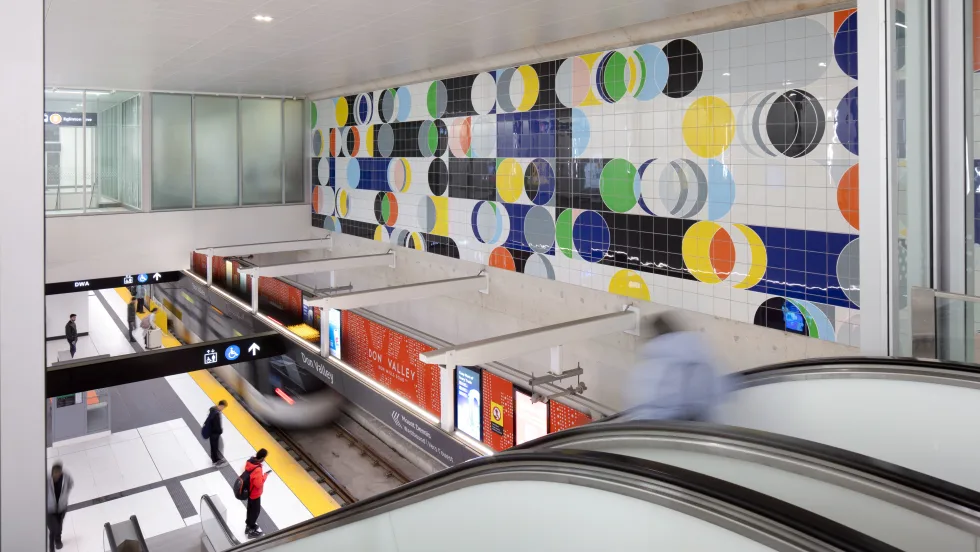
How Gen Z's Changing Mobility Habits Are Reshaping Public Transit
As younger generations embrace multimodal mobility over private vehicles, transit agencies can rethink station design, the passenger experience, and public transportation's role in building connected communities.
Read More →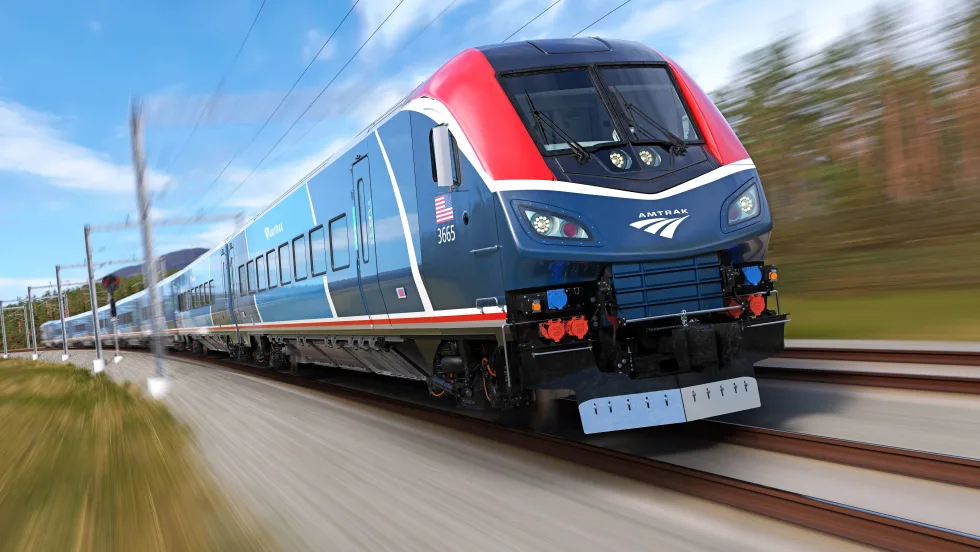
Amtrak Expands Airo Fleet with Eight Higher-Capacity Trainsets
The new 10-car trains, expected to enter service in 2031, will provide about 34% more seating capacity to meet growing demand on the Northeast Corridor.
Read More →
APTA Urges FTA to Withdraw Proposed Capital Investment Grants Guidance
The association warns that proposed changes could delay transit projects, reduce federal funding, and create new hurdles for 47 projects currently in the CIG pipeline.
Read More →
Amtrak, NJ TRANSIT Launch Full Service on New Portal North Bridge
The completion of the two-track bridge over the Hackensack River eliminates a longstanding source of delays for NJ TRANSIT and Amtrak customers. It marks a major milestone for the Gateway Program.
Read More →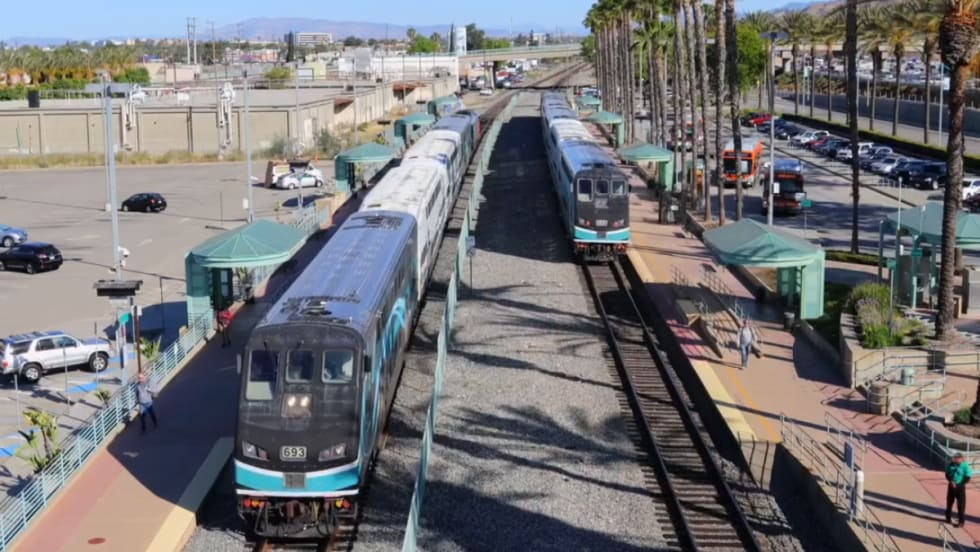
Southern California’s Metrolink Approves $508.8M Budget, Avoids Service Cuts
A $20 million state allocation allows the regional rail agency to maintain existing weekday and weekend service through fiscal year 2028, although longer-term funding challenges remain.
Read More →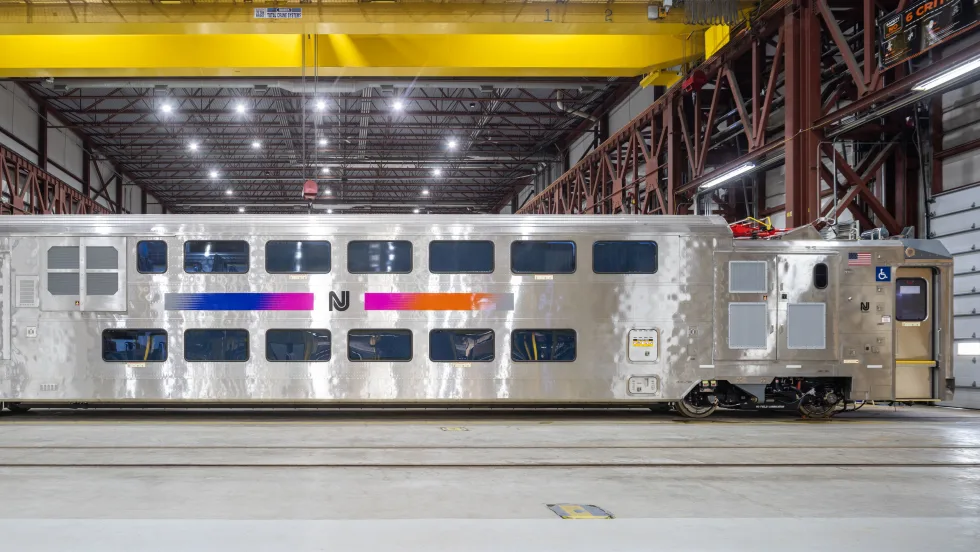
NJ TRANSIT Approves $65.6M for Hudson-Bergen Light Rail Improvements
The funding marks the first phase of a planned $250 million investment over five years to modernize stations, overhaul vehicles, and improve system reliability and passenger safety.
Read More →
STraffic Expands North American Presence with Fare Collection Technology
John Moon, Associate Director, Product Strategy at STraffic, discusses the company's growth in North America, its efforts to reduce fare evasion, and more.
Read More →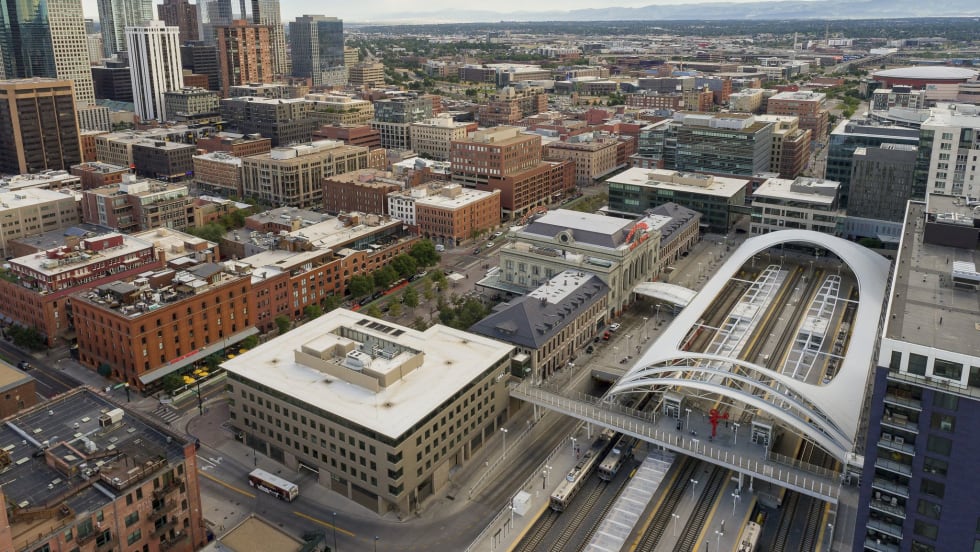
Study: Denver RTD Generates $2.1 Billion in Annual Economic Activity
An economic impact study finds the agency supports approximately 17,500 jobs, delivers $1.6 billion in annual community and mobility benefits, and generates $2.42 in economic value for every dollar invested.
Read More →