



Report: Driver fatigue top cause of motorcoach accidents
According to the report, the NTSB estimates that 36 percent of motorcoach crash fatalities over the past decade have been due to driver fatigue. It is the number one cause of fatal accidents, far above road conditions (2 percent) or inattention (6 percent).

In response to a string of tragic intercity bus accidents this year, "Sudden Death Overtime," a new report highlighting driver fatigue as the single largest cause of these fatal bus crashes, was released by the Amalgamated Transit Union (ATU). The ATU also renewed their call for Congress to address driver fatigue as part of the bus safety legislation currently under consideration in Washington, D.C.
According to the report, the National Transportation Safety Board estimates that 36 percent of motorcoach crash fatalities over the past decade have been due to driver fatigue. It is the number one cause of fatal accidents, far above road conditions (2 percent) or inattention (6 percent).
"Hundreds of intercity bus companies — usually tiny operations that have only a few buses — get away with paying their bus drivers criminally low wages," said International President of the ATU Lawrence J. Hanley. "As a result, bus drivers are being forced to work 100 hours a week or more, often balancing two or three jobs, just to make a living. The unsuspecting customers get on these buses and disaster can strike."
In response to the series of fatal bus crashes this year, Congress introduced The Motorcoach Enhanced Safety Act of 2011, led in the Senate by Senator Sherrod Brown (D-OH) and by Rep. John Lewis (D-GA) in the House. While the bill makes some long-overdue and important changes to regulations in the industry, it does not include a specific proposal to address driver fatigue.
"At the end of the day, technical fixes like seatbelts and driver training — while incredibly important — won't prevent crashes so long as drivers aren't stopped from getting behind the wheel on zero sleep," said Hanley. "Any serious proposal to clean up the discount bus industry unequivocally has to include a solution for driver fatigue."
Hanley and the ATU are calling on Congress to include an amendment to The Motorcoach Enhanced Safety Act of 2011 that would ensure that the overtime provisions in the Fair Labor Standards Act are applied to bus drivers for these companies. Currently, intercity bus drivers are exempt from these provisions and many are forced to work second jobs during their so-called "rest period" just to make ends meet. Under the ATU's proposed reforms, drivers would get paid fairly for the work they put in above 40 hours per week, making them less inclined to work other jobs while pushing their bodies to the limit.
More Motorcoach
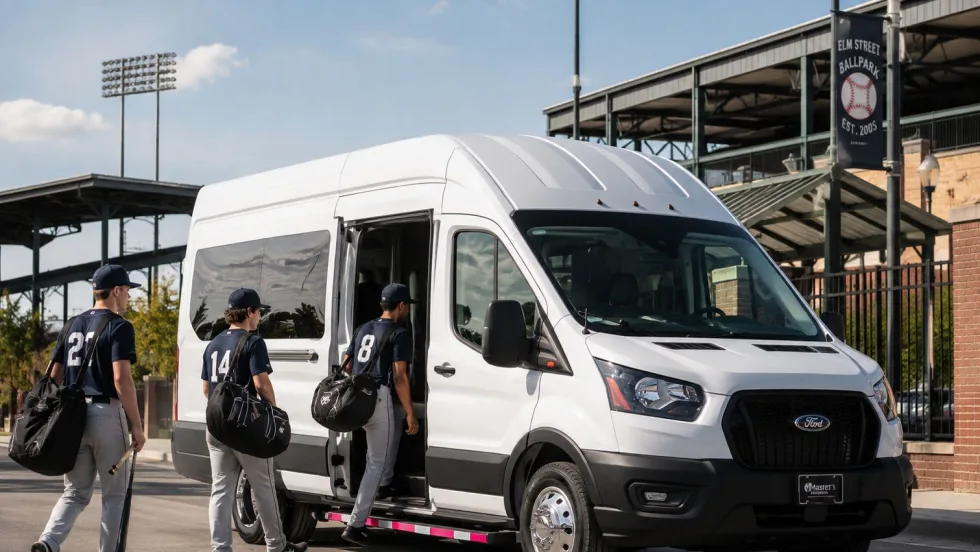
Rethinking the Road: Transportation Challenges for Smaller College Athletics
Smaller college athletic programs are rethinking fleet strategies as rising costs, driver shortages, and longer travel distances put new pressure on transportation budgets.
Read More →
Brian Dickson on Building Stronger, More Resilient Transportation Organizations
Bus Business Consultants Founder Brian Dickson discusses the leadership principles, operational discipline, and strategic planning that separate transportation companies positioned for long-term success from those stuck in survival mode.
Read More →
Roman Cornell on ABC Companies’ Evolution and the Future of Passenger Transportation
The company’s CEO discusses carrying forward a third-generation family legacy, ABC’s continued evolution in passenger transportation, support for increasingly complex fleets, and how technology and continued investment could help operators improve uptime.
Read More →
From Surviving to Thriving: Building Stronger Transportation Organizations
Bus Business Consultants founder Brian Dickson shares lessons on leadership, organizational health, and creating options for long-term success in a changing transportation industry.
Read More →
Report: Canadian Motorcoach Industry Generates $4.4B in Economic Impact
The 2025 Motorcoach Economic Impact Report finds motorcoach travel supported nearly 25,000 jobs and generated $980 million in federal, provincial, and local taxes.
Read More →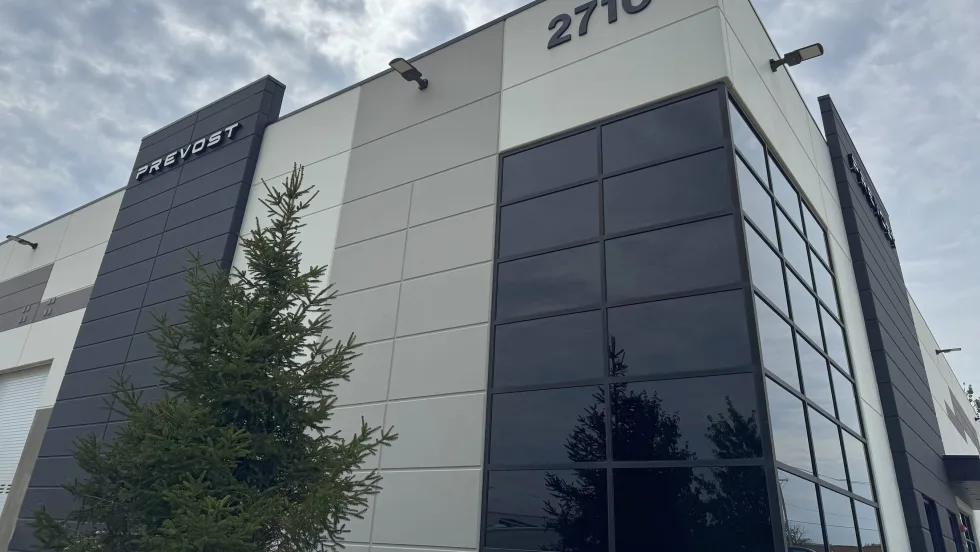
Prevost Opens Expanded Chicago-Area Service Center
The $8.1 million Elk Grove Village investment nearly triples facility space while adding service capacity, parts storage, and customer amenities.
Read More →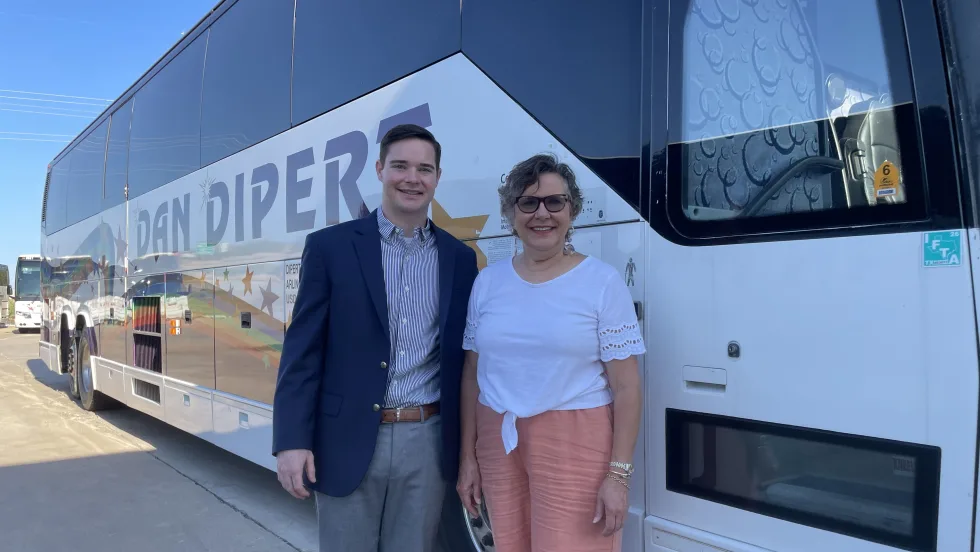
People Movement: Dan Dipert Coaches Adds Third-Generation Leader, Keolis Names New Valley Metro VP/GM, and More
In this edition, we also cover recent appointments and announcements at the Wabtec, SilverRide, HNTB, and more, showcasing the individuals helping to shape the future of transportation.
Read More →
METRO Opens Submissions for 2026 Motorcoach Awards
Nominations are now being accepted for METRO Magazine’s Operator of the Year and Innovative Operator of the Year awards.
Read More →
Biz Briefs: Alstom Lands Canadian Contract, LYT to Supply California TSP, and More
In METRO's latest installment, we take a look at recent news from Complete Coach Works, Beep, FlixBus, and more partnerships making headlines across the transportation sector.
Read More →
Biz Briefs: RIPTA Unveils New Frontrunners, Clevland RTA Adds New Siemens, and More
In METRO's latest installment, we take a look at recent news from Siemens, Prevost, Dodge, and more partnerships making headlines across the transportation sector.
Read More →