



Detroit’s SMART to cut service, lay off 123 workers
After nine months of negotiations, the agency and unions representing more than 800 of its employees failed to reach agreements. Agency’s loss in revenue from local property taxes, farebox proceeds, and state and federal funding also prompted the cuts.

Detroit-based Suburban Mobility Authority for Regional Transportation (SMART) and unions representing more than 800 of its employees failed to reach concession agreements, causing the agency to cut bus services by 22 percent and lay off 123 employees.
The unions — Amalgamated Transit Union (ATU), United Auto Workers (UAW), American Federation of State, County and Municipal Employees (AFSCME) and Teamsters — have been without a contract since the end of December 2010.
Throughout the recession, SMART worked to maintain the existing bus service. The agency’s management has instituted $11 million in budget adjustments over the past three years, including a fare increase. However, revenue continues to drop due to lower millage collections and reduced state and federal funding, while at the same time, fuel and healthcare costs have increased.
SMART is supported by local property taxes, farebox proceeds, and state and federal funding. The biggest loss in revenue has resulted from the drop in property values — a 24 percent decrease since 2009, with an 11 percent decrease in millage revenue this year alone.
To add to the financial woes, SMART will receive less state and federal funding because of the cuts in service made by the Detroit Department of Transportation (DDOT). While all other Michigan transit agencies are funded independently of each other using uniform formulas, Michigan’s Act 204 treats SMART and DDOT as one entity for funding purposes. This means any cuts made by DDOT reduce state and federal funding available to SMART. This year DDOT implemented two rounds of service cuts, in June and September, thereby causing more revenue loss to SMART.
Since November 2010, SMART has been in negotiations with each union. After nine months of negotiating, no agreements have been reached. SMART’s non-represented employees have already taken wage reductions and other benefit concessions. Without the union participation in wage and benefit concessions, SMART is forced to cut bus services.
For additional reporting on the cuts from The Detroit News, click here.
More Bus
Biz Briefs: New Flyer Delivers in Columbus, Houston, Beep and Freebee Merge, and More
In this edition of Biz Briefs, we spotlight the latest developments shaping the future of mobility.
Read More →
People Movement: Dan Dipert Coaches Adds Third-Generation Leader, Keolis Names New Valley Metro VP/GM, and More
In this edition, we also cover recent appointments and announcements at the Wabtec, SilverRide, HNTB, and more, showcasing the individuals helping to shape the future of transportation.
Read More →
New York MTA Plans Largest Bus Fleet Upgrade in More Than a Decade
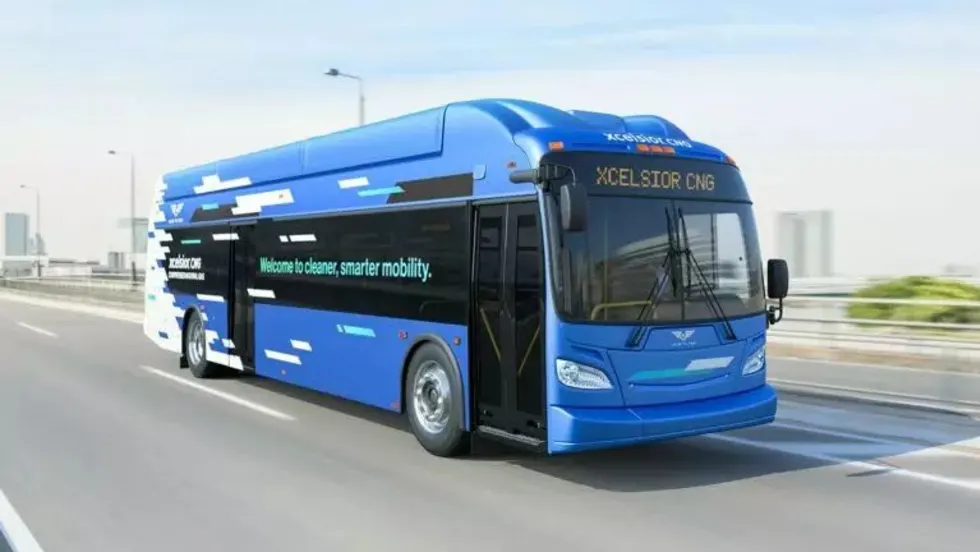
The agency is seeking manufacturers for 650 new CNG buses to replace aging vehicles, improve reliability, and advance its broader fleet modernization strategy.
Read More →
Building a Flexible Path to Transit Electrification
John Hroncich discusses BAE Systems’ modular and scalable approach, lessons learned from decades of real-world operations, and how agencies can identify electrification strategies that fit their fleets.
Read More →
Bus Tech Talk: Keeping Transit Technicians Ahead of the Technology Curve
LA Metro’s Obed Mejia discusses technician training, evolving maintenance technology, fleet replacement, and strategies for getting the most out of today’s transit fleets.
Read More →
Biz Briefs: RIPTA Unveils New Frontrunners, Clevland RTA Adds New Siemens, and More
In METRO's latest installment, we take a look at recent news from Siemens, Prevost, Dodge, and more partnerships making headlines across the transportation sector.
Read More →
People Movement: Holly Arnold Joins Transdev and More
In this edition, we also cover recent appointments and announcements at Pace, CamTran, MCI, and more, showcasing the individuals helping to shape the future of transportation.
Read More →
The High Cost of Transit Buses: Industry Leaders Look to Procurement Reform
Transit leaders and policymakers examine how standardized bus designs, streamlined procurement, and predictable funding could help agencies stretch budgets and deliver better service.
Read More →
The Business Voice Behind Public Transportation
As chair of APTA’s Business Members Board of Governors, Ray Melleady explains how more than 850 business members are partnering with transit agencies to advance funding, innovation, and industry-wide collaboration.
Read More →
From Surviving to Thriving: Building Stronger Transportation Organizations
Bus Business Consultants founder Brian Dickson shares lessons on leadership, organizational health, and creating options for long-term success in a changing transportation industry.
Read More →