



Bus safety rating bill passes Congress
Mandates creation of system that allows passengers to compare the safety performance of each bus company and to annually reevaluate carriers that serve primarily urban areas with high passenger loads like New York.

A bill requiring the creation of new safety ratings for low-cost discount bus operators and better disclosure of these ratings has now passed the full Congress and is headed to the president’s desk for a signature.
Sen. Charles E. Schumer (D-NY) originally proposed the legislation last year in response to numerous fatal crashes involving the discount tour bus industry, including a crash in the Bronx that left 15 dead. The legislation will ensure that passengers have an accurate representation of the company’s safety record when selecting their carrier so that consumers can make more informed decisions about which bus companies they should patronize.
“Bus companies are no longer be able to mask poor safety records and consumers are now able to see, before they purchase a ticket, whether the bus they are considering getting on is a safe one,” said Schumer. “This is a significant victory for consumers and will serve as a major incentive for operators to get serious about safety or risk losing passengers.”
The bill mandates that the Federal Motor Carrier Safety Administration (FMCSA) create a simple and understandable rating system that allows passengers to compare the safety performance of each bus company and to annually reevaluate carriers that serve primarily urban areas with high passenger loads like New York.
The system would also reward companies with strong safety records and serve as an incentive for companies to improve their safety records.
The bill also requires the U.S. Department of Transportation to improve the accessibility of these ratings to the public and to consider requirements that ratings be posted on buses, at terminals and all points of sale. Schumer is urging the FMCSA to make that safety rating plan a letter grade system, similar to that used in New York City restaurants, and to require that they be posted anywhere that a customer could board a bus or purchase a ticket.
Schumer’s safety grade legislation was included in the transportation bill that also included numerous provisions that allow federal regulators to crackdown on rogue operators and truly raise the bar for safety in the industry.
Passage of the legislation comes on the heels of a year-long effort to overhaul the way the low-cost bus industry is regulated. Last month, Schumer joined Secretary of Transportation Ray LaHood to announce a major sweep of rogue operators and last year successfully urged the National Transportation Safety Administration to do a top-to-bottom review of the FMCSA safety regime for the low-cost bus industry.
The surface transportation bill includes numerous other safety requirements which will raise the bar for motorcoach safety:
Requires that commercial motor vehicles have electronic logging devices for recording hours-of-service to ensure that drivers are complying with hours of service rules put in place to keep fatigued drivers off the road.
Requires that the DOT conduct a study on driver fatigue and maximum driving time requirements focusing on the 34-hour restart rule.
Establishes of a national repository for records relating to alcohol and controlled substances testing of commercial motor vehicle drivers and bars employers from hiring a driver unless he or she has not violated alcohol and drug rules for the past three years.
Requires bus safety standards to improve occupant protection including seat belts, roof crush strength, anti-ejection window glazing, tire pressure monitoring and rollover prevention.
Provides the Department of Transportation with greater authority to crackdown on reincarnated carriers and companies who fail to disclose a poor safety record from the past.
RELATED ARTICLE: Read a past METRO article on hours of service.
More Motorcoach

Biz Briefs: STV teams with Amtrak, Motorcoach Operators Boost Fleet and Land Contracts, and More
From manufacturers and suppliers to transit agencies and motorcoach operators, these updates offer a snapshot of the projects, partnerships and business moves driving the industry forward.
Read More →
EPA Proposal to Ease Diesel Emissions Compliance Could Improve Reliability for Motorcoach Operators
The EPA is proposing to remove DEF-related engine derates for new heavy-duty diesel vehicles, a change bus operators say would improve safety and reliability while sparking debate over the future of emissions enforcement.
Read More →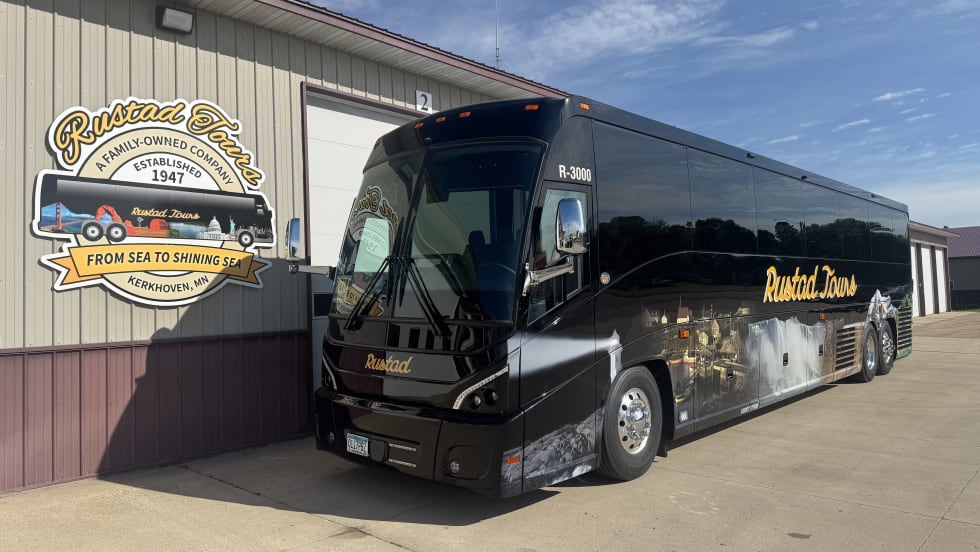
Minnesota's Rustad Tours Takes Delivery of New MCI Motorcoach
The latest addition represents Rustad Tours’ 17th new MCI coach, marking more than four decades of partnership between the two companies.
Read More →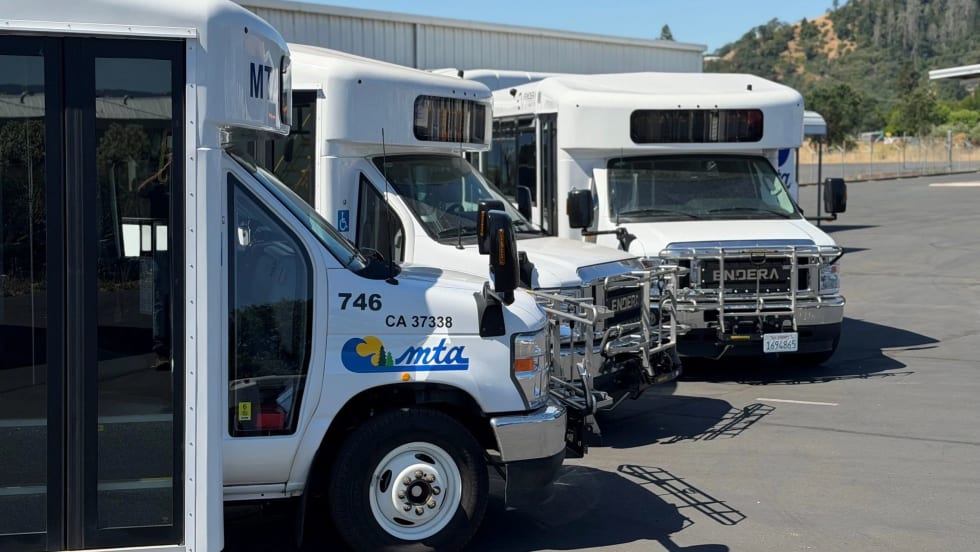
Biz Briefs: Endera Delivers to California, Safety Vision Teams with San Antonio's VIA, and More
From manufacturers and suppliers to transit agencies and motorcoach operators, these updates offer a snapshot of the projects, partnerships and business moves driving the industry forward.
Read More →
Modernizing Mobility with CharterUP CEO Armir Harris
From digital transformation to evolving customer demands, CharterUP's Armir Harris offers his perspective on the transportation industry's next chapter.
Read More →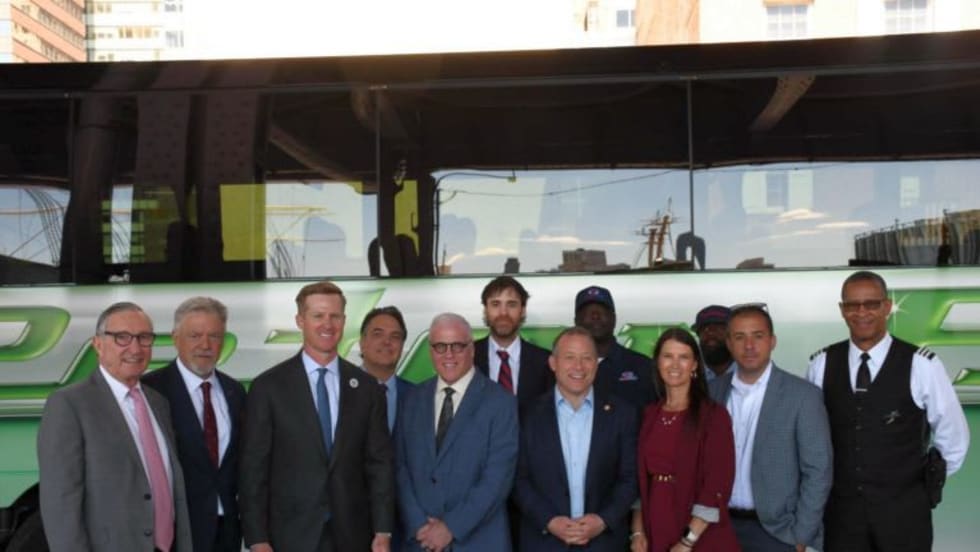
Bipartisan BUSES Act Seeks Changes to New York City's Bus Idling Enforcement Program
Backed by motorcoach operators, the legislation seeks to balance emissions goals with passenger safety by allowing limited idling for inspections, accessibility needs and extreme weather conditions.
Read More →
METROspectives: CharterUP CEO Armir Harris on Modernizing Mobility
From digital transformation to evolving customer demands, CharterUP's CEO Armir Harris offers his perspective on the transportation industry's next chapter.
Read More →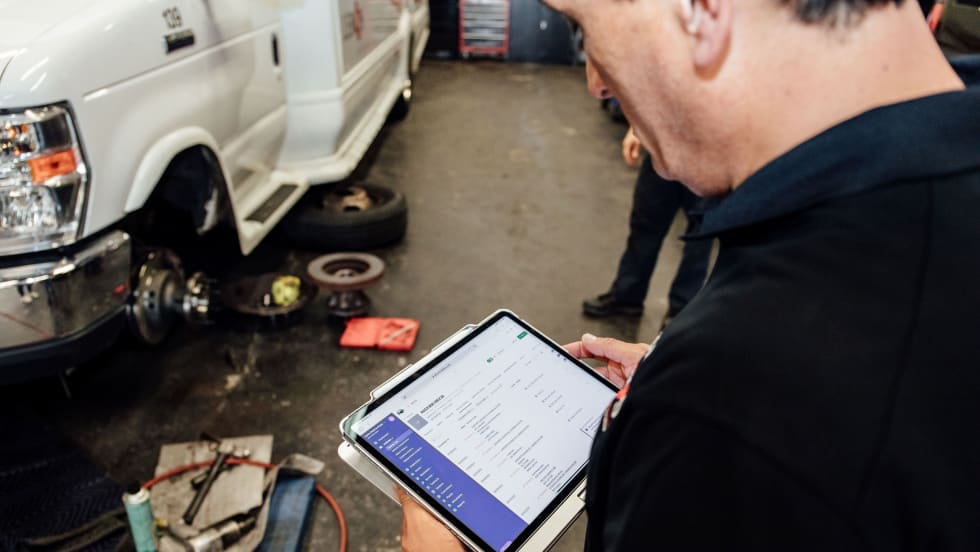
Reinventing Fleet Maintenance with Real-time Visibility and AI
Transit leaders need to know what needs fixing, where to look, who is responsible, when work is completed, and what it costs without having to chase information across disconnected systems.
Read More →
ABA's Ferguson Testifies in Support of BUSES Act, National Standards for Bus Operators
The BUSES Act would create a nationwide framework preventing state and local governments from enforcing bus idling restrictions of less than 15 minutes, a threshold consistent with existing Environmental Protection Agency guidance.
Read More →
2026 METRO Buyer’s Guide & Directory
Searching for the right vehicles, technology, equipment, or services for your public transit or motorcoach operation? This industry guide brings together manufacturers and suppliers from across the transportation market — all in one place. Download it to connect with the companies that help agencies and operators improve mobility, enhance operations, and move their organizations forward.
Read More →