



Omnitrans unveils new buses, brand
Two New Flyer Xcelsior 2012 40-foot transit buses on display were decked out with a bold new fleet design in bright green and blue. Twenty of the new buses will be deployed in coming weeks to replace retiring models.


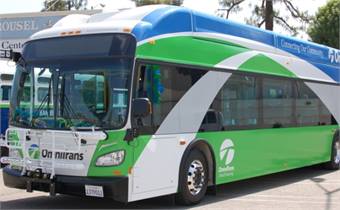
San Bernardino, Calif.-based Omnitrans unveiled its new logo, slogan and fleet graphics at the transit agency’s main transfer center downtown.
“The colors symbolize our green earth and blue sky, reflecting Omnitrans’ commitment to the environment, and air quality in particular, with our 100 percent natural gas-powered fleet,” explained CEO/GM Milo Victoria. “But my favorite part of Omnitrans’ new look is our tagline: ‘Connecting our Community.’ This is our purpose: to connect all members of the community — from students, to mothers, to commuters, to persons with disabilities and senior citizens — with the places they need to go to live their lives as they choose.”
Two New Flyer Xcelsior 2012 40-foot transit buses on display were decked out with a bold new fleet design in bright green and blue. Twenty of the new buses will be deployed in coming weeks to replace retiring models. The remaining 144 buses in the Omnitrans fleet will get a simplified color refresh.
The new buses also feature three-capacity bike racks, an upgrade from the two-capacity racks on the existing fleet. Omnitrans transports over 300,000 bikes each year. To spotlight the new racks, Omnitrans held a “Rack and Roll” contest at the event. Contestants were timed loading a bike on to the rack.
More Bus

VIA, MBTA Reach Pre-Pandemic Ridership Milestones as Transit Use Climbs
VIA surpasses three million monthly trips for the first time since 2020, while the MBTA tops one million average weekday trips as both agencies report continued ridership growth.

What Transit Maintenance Facilities Should Know About Gas-Detection Placement
Proper gas-detector placement is critical to maintaining safety in transit maintenance facilities, requiring agencies to consider fleet fuel types, ventilation, shop operations, and ongoing equipment maintenance.

Improving Transit Safety and Reliability Through AI
Hayden AI’s Chief Growth Officer, Charley Territo, discusses how AI-powered camera enforcement is helping transit agencies keep bus lanes and stops clear, improve accessibility, and move from pilot programs to full-scale deployments.

Castro to Lead RTC of Southern Nevada and More in People Movement
In this edition, we also cover recent appointments and announcements at the STV, MCI, and more, showcasing the individuals helping to shape the future of transportation.
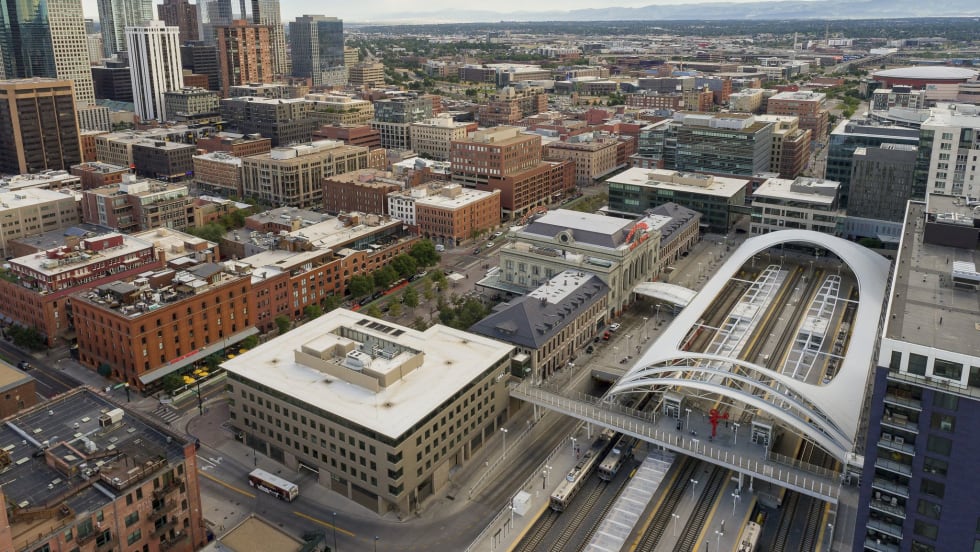
Study: Denver RTD Generates $2.1 Billion in Annual Economic Activity
An economic impact study finds the agency supports approximately 17,500 jobs, delivers $1.6 billion in annual community and mobility benefits, and generates $2.42 in economic value for every dollar invested.
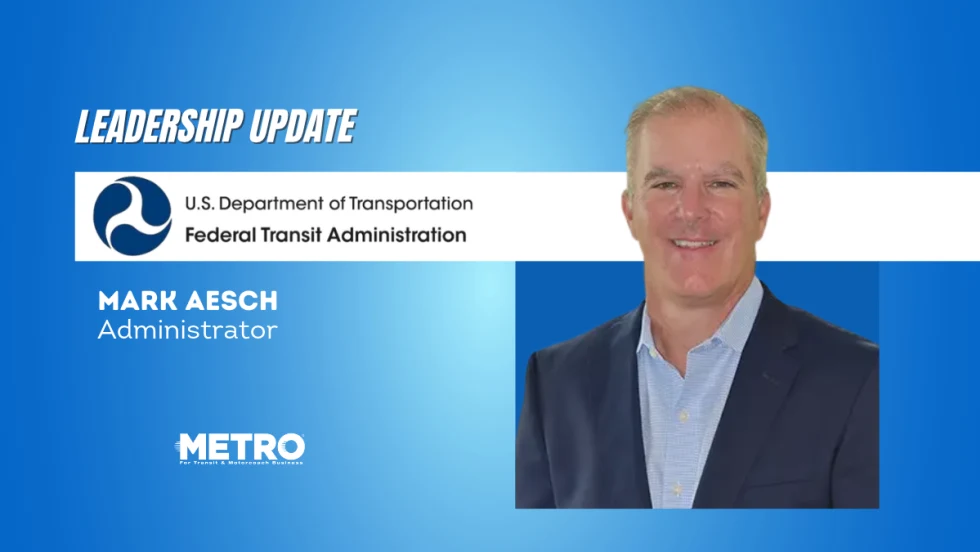
Mark Aesch Nominated to Lead Federal Transit Administration
The former Rochester transit chief and TransPro founder, who has also contributed to METRO Magazine, brings decades of industry experience and a focus on performance, accountability, and financial sustainability to the nomination.

Pierce Transit Moves to Expand Fleet Following Proposition 1 Approval
The agency authorized the purchase or refurbishment of up to 60 buses to support a 47% service expansion, as voters nationwide approved billions in new transit funding.
Transit Expands Agency Partnerships, Reaching 200 Official App Partners
COO Jake Sion discusses Transit’s growth, the success of its Transit Royale program, and how technology is helping agencies improve the rider experience.
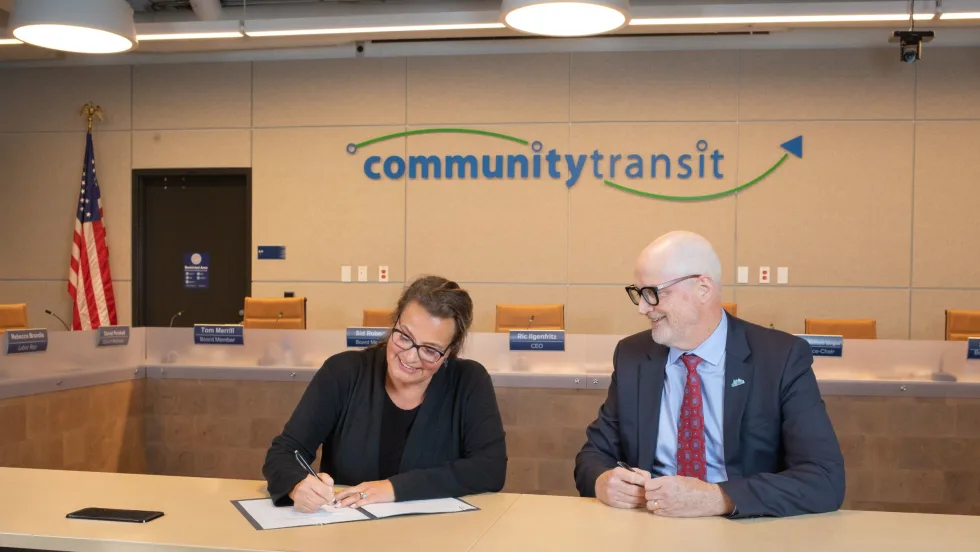
Everett Transit, Community Transit Approve Consolidation of Services
The agreement will bring Everett Transit into Community Transit’s network in April 2027, with plans to increase bus service by 50% by 2031 and expand regional connections.

Brian Dickson on Building Stronger, More Resilient Transportation Organizations
Bus Business Consultants Founder Brian Dickson discusses the leadership principles, operational discipline, and strategic planning that separate transportation companies positioned for long-term success from those stuck in survival mode.