



East Coast transit systems shut down in wake of Hurricane Sandy
N.Y. MTA, NJ Transit and Maryland MTA all suspended service and track work for Monday. Agencies will assess system status and test critical infrastructure before making any decisions regarding the potential resumption of service.

As Hurricane Sandy strengthens, New York Metropolitan Transportation Authority’s Metro-North Railroad suspended service. Its last trains on all lines departed at approximately 7 p.m. Sunday evening, allowing customers to safely reach their final destinations.
The Metro-North suspension also will affect all service on Amtrak’s Northeast Corridor, which operates on Metro-North’s New Haven Line from New Rochelle to New Haven.
Service also will be suspended on Metro-North’s Port Jervis Line west of the Hudson River. Pascack Valley line service will be determined by NJ Transit.
Grand Central Terminal, including its shops and restaurants, and all outlying Metro-North station buildings will be closed for the duration of the service suspension.
In preparation for the brunt of the storm, train equipment will be moved out of low-lying locations known to be prone to flooding, such as the east end of the yard in New Haven and Highbridge and Mott Haven yards in the Bronx.
As the storm approaches, Metro-North has secured its infrastructure by moving trucks, and equipment such as backhoes, cranes and bulldozers, to higher ground. This includes bringing trains into Grand Central Terminal for shelter.
In addition, the wooden crossing gates at grade crossings, which are susceptible to high winds, will been removed and secured. However, people should be aware that work trains and patrol trains may still be operating and approach all grade crossings with caution.
Also, a service suspension does not mean that power will be off to the third rail or overhead catenary wires on the New Haven Line. All tracks and wires will remain energized.
All routine track work and capital construction work has been suspended and all construction sites have been secured.
Parking lots that usually flood, such as the ones at White Plains and Beacon’s riverside lot, are barricaded. Connecting ferry service at Beacon and Ossining is suspended. The Hudson RailLink that serves Spuyten Duyvil and Riverdale is suspended.
Metro-North also is taking steps to put personnel and equipment in place to be ready to deal with the cleanup after the worst of the storm has passed.
Many employees have been asked to shelter at a Metro-North shop or facility so they can start helping restore services as soon as the storm has passed. If the railroad did not ask for this extraordinary sacrifice, many employees would be unable to report for duty because of trees down, roads blocked or flooded, power outages and other problems likely to arise.
Meanwhile, NJ Transit implemented a gradual system-wide shutdown of all bus, rail, light rail and Access Link service, starting at 4:00 p.m. Sunday evening, continuing through 2:00 a.m. on Monday morning.
The Atlantic City Rail Line will suspend operations effective at 4:00 p.m. due to the rapidly declining weather conditions within the region and the continued evacuation of Atlantic City.
“NJ Transit’s top priority is, has been and will continue to be the safety of our customers, our employees and the citizens of the Garden State”, said NJ Transit Board Chairman and New Jersey Department of Transportation Commissioner James Simpson. “This prudent and necessary action will enable NJ Transit to further support our state’s response to Hurricane Sandy; freeing up resources that may be needed to further facilitate hurricane relief.”
The suspension of NJ Transit service will require a minimum of 12 hours to complete. The process requires the relocation and securing of buses, rail equipment and other NJ Transit assets away from flood-prone areas. It also requires complete coordination with state and local officials throughout the process.
“NJ Transit customers should begin to prepare for the possible, sustained interruption of service” said NJ Transit Executive Director James Weinstein. “This is a dangerous and destructive hurricane with the potential to cause large-scale power losses, wind damage and both coastal and river flooding — all of which will impact NJ Transit service during and after the storm.”
During Hurricane Irene, NJ Transit implemented a full-scale system shutdown spanning nearly 36 hours. This decision is credited with saving billions in agency assets, which enabled NJ Transit to restart service with all equipment available for use. Additionally, no customer or employee injuries were reported during this time.
Following the conclusion of the storm, NJ Transit will assess the status of the system and test critical infrastructure before making any decisions regarding the potential resumption of service. Updates will be provided to customers and the public during this time.
Additionally, the Maryland Transit Administration (MTA) will temporarily suspend all service for Oct. 29 due to Hurricane Sandy. Mobility medical only will operate until 3 p.m. and then discontinue service.
The decision to suspend the service was based on the latest forecast from the National Weather Service, which includes sustained winds of 30 to 55 mph in the Baltimore-Washington, D.C. region, and hurricane-force wind gusts of 60 to 70 mph. Such severe weather over a prolonged period threatens the safe operation of service, and passengers and employees.
MTA will consult with Amtrak and CSX on MARC service for Oct. 30. A decision will be made by 8:00 p.m. on Monday for both MARC and Commuter Bus service.
MTA management will assess the weather conditions Monday to determine when it is safe for other modes to resume service.
To read The Atlantic Cities' reporting on the transportation systems' shutdown, click here.
More Bus

Biz Briefs: OCTA Taps Clean Energy for Hydrogen Station, Stadler to Supply Via Rail Vehicles, and More
From manufacturers and suppliers to transit agencies and motorcoach operators, these updates offer a snapshot of the projects, partnerships and business moves driving the industry forward.
Read More →
METRO Magazine Announces 2026 Innovative Solutions Awards Winners
Projects Recognized for Advancing Mobility Through Technology, Accessibility, Workforce Innovation, and Operational Excellence
Read More →
Biz Briefs: STV teams with Amtrak, Motorcoach Operators Boost Fleet and Land Contracts, and More
From manufacturers and suppliers to transit agencies and motorcoach operators, these updates offer a snapshot of the projects, partnerships and business moves driving the industry forward.
Read More →
LA Metro Marks Banner Year, Sets Ambitious Goals for New Fiscal Year
Incoming LA Metro Board Chair and Los Angeles Mayor Karen Bass joined outgoing Board Chair Fernando Dutra and LA Metro CEO Stephanie Wiggins to review accomplishments from fiscal year 2026, which included the opening of new rail extensions, advancement of major transit projects, expanded safety programs, and new rider amenities.
Read More →
DART Taps Nathaniel P. Ford Sr. as Next President/CEO
Since 2012, Ford has served as the CEO of the Jacksonville Transportation Authority
Read More →
AC Transit’s Cecil Blandon on Building the Next Generation of Transit Maintenance Leaders
The agency’s maintenance chief discusses leadership, workforce development, zero-emission technology, and preparing technicians for the future of public transportation.
Read More →
Building the Next Generation of Transit Technology
In this edition of METROspectives, Luminator CEO Magnus Friberg discusses the company's transformation, the growing role of AI and software, and what's next for transit technology.
Read More →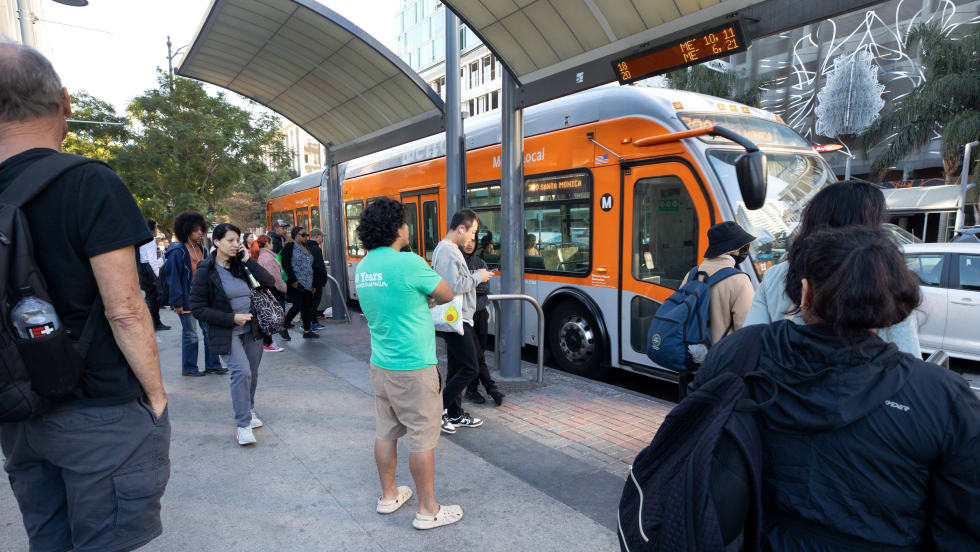
June LA Metro Ridership Surges 2 Million Year Over Year
Total June ridership increased for both weekdays and weekends. Weekday ridership was 953,820, which grew 8.4% from June 2025; Saturdays increased nearly 13% year-over-year to 708,826; and Sundays increased 7.7% to 611,534 from June 2025, according to LA Metro.
Read More →
Washington's Pierce Transit Board Sends Transit Funding Measure to November Ballot
With the adoption of Resolution 2026-006, the measure moves to the Pierce County Auditor, giving voters in the Pierce Transit service area the decision on whether to fund an expansion of local transit service within the agency’s service area.
Read More →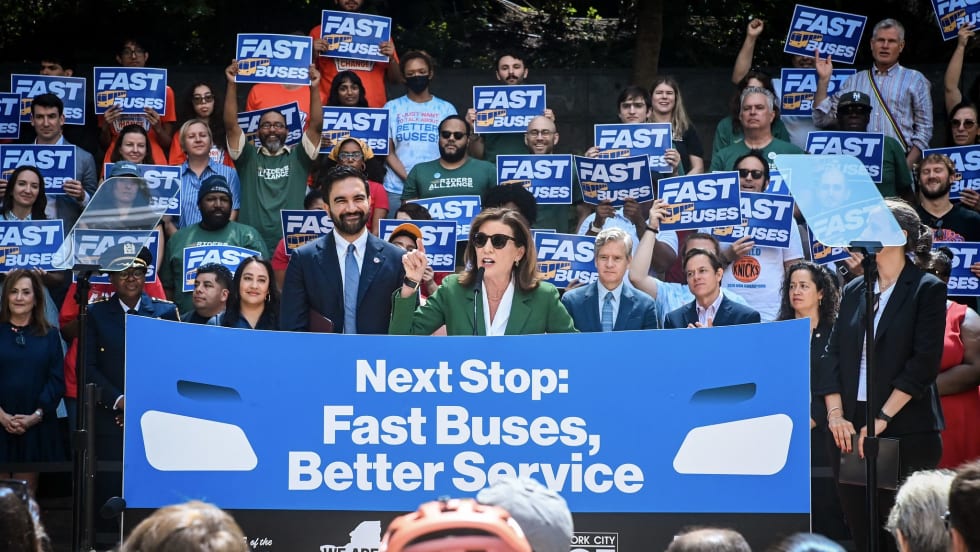
New York Unveils Sweeping Plan to Modernize City Bus Service
Next Stop: Fast Buses, Better Service identifies 50 priority bus corridors for improvements across the five boroughs and launches the City’s next generation of rapid bus service along five key routes.
Read More →