



APTA Annual: Question of the Day
How will the passage of MAP-21 impact your agency


As part of the APTA Annual Meeting, METRO asked top executives how the passage of MAP-21 will impact their agency. Here are their answers.

Terry Garcia Crews, GM/CEO, Southwest Ohio Regional Transit Authority, Cincinnati Metro
“MAP-21 provides greater stability for long-term planning through formula funding for mid-size systems like ours. I was particularly pleased to see the language dropped that would have limited the Bus and Facilities Formula funding to bus-only transit agencies, particularly as Cincinnati moves forward to be multi-modal with the introduction of an urban streetcar.
In addition, the emphasis placed on transit safety by the Secretary of Transportation is a critical focus for transit agencies as we develop stronger safety programs and initiatives.”

W. Curtis Stitt, President/CEO,
Central Ohio Transit Authority, Columbus, Ohio
“We don’t believe, because of the size and the nature of the service we provide, that it’s going to have significant impact on us, but the jury is still out. Because of how voluminous the bill is, there could be a few things that we haven’t touched upon yet. But, looking at the tables for the formula funding and what the projections on funding might be, we don’t see a whole lot of impact on us; we come out about the same.
The key, though, is what impact the bill is going to have on the industry. Going forward, it’s created a situation where we have to start working again, now, for the reauthorization of MAP-21. As these things go, MAP-21 will be expired shortly, relatively speaking, which signals that we should be planning on what the next bill will look like and doing what we can to insure it’s going to be a six-year bill.”

Kate Riley, GM, Sun Tran and Sun Van, Tucson, Ariz.
“Like I’ve discussed here in Tucson, both at the City and agency, I think it’s going to increase competition for federal dollars, particularly in light of the fact that they have merged programs like JARC and New Freedom into another existing program. There’s money there, but the competition for those monies is going to be fiercer. I don’t necessarily know if it would be my concern or not, but I’m sure there are some smaller or mid-size agencies that might worry about their ability to compete with some of the larger agencies.”

Jim Cline, President, Denton County Transportation Authority, Lewisville, Texas
“The passage of a multi-year transportation bill is important because it allows us to plan more than one year in advance. There are elements of the bill that were positive. The bill increases the emphasis on safety and streamlines project delivery. More specifically, MAP-21 provided DCTA additional flexibility to utilize its formula funds to cover both operating and capital costs. However, we were hoping that we would see some type of relief from Positive Train Control, either through funding or an extension of the deadline.”
More Bus

Biz Briefs: STV teams with Amtrak, Motorcoach Operators Boost Fleet and Land Contracts, and More
From manufacturers and suppliers to transit agencies and motorcoach operators, these updates offer a snapshot of the projects, partnerships and business moves driving the industry forward.
Read More →
LA Metro Marks Banner Year, Sets Ambitious Goals for New Fiscal Year
Incoming LA Metro Board Chair and Los Angeles Mayor Karen Bass joined outgoing Board Chair Fernando Dutra and LA Metro CEO Stephanie Wiggins to review accomplishments from fiscal year 2026, which included the opening of new rail extensions, advancement of major transit projects, expanded safety programs, and new rider amenities.
Read More →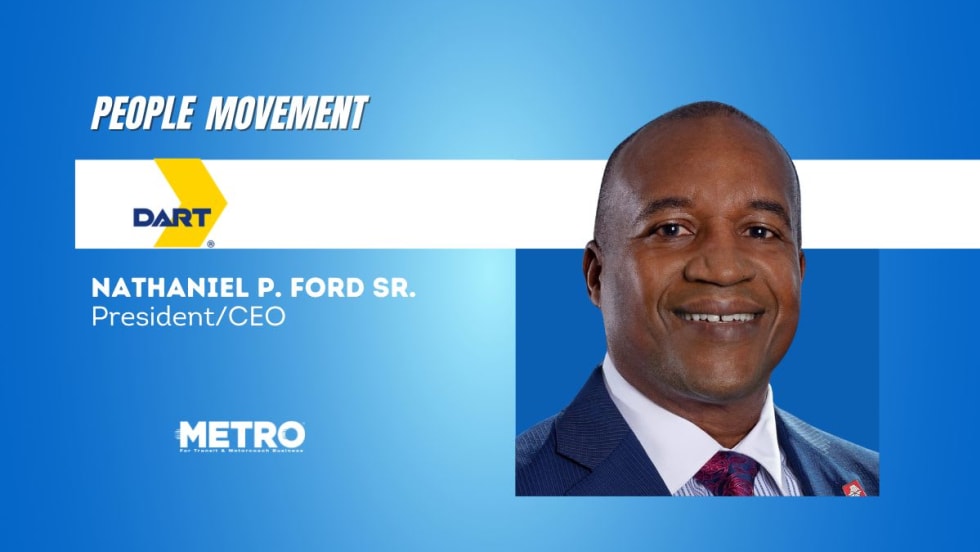
DART Taps Nathaniel P. Ford Sr. as Next President/CEO
Since 2012, Ford has served as the CEO of the Jacksonville Transportation Authority
Read More →
AC Transit’s Cecil Blandon on Building the Next Generation of Transit Maintenance Leaders
The agency’s maintenance chief discusses leadership, workforce development, zero-emission technology, and preparing technicians for the future of public transportation.
Read More →
Building the Next Generation of Transit Technology
In this edition of METROspectives, Luminator CEO Magnus Friberg discusses the company's transformation, the growing role of AI and software, and what's next for transit technology.
Read More →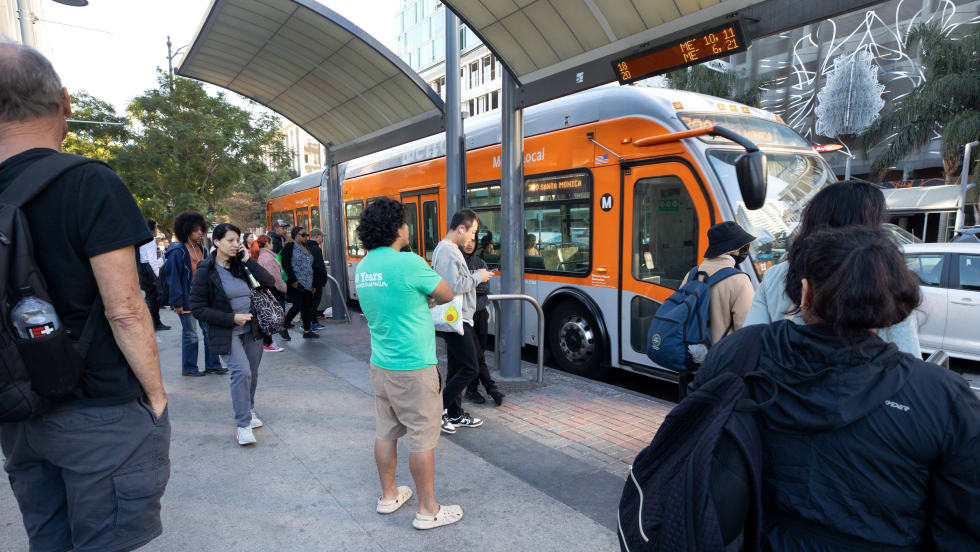
June LA Metro Ridership Surges 2 Million Year Over Year
Total June ridership increased for both weekdays and weekends. Weekday ridership was 953,820, which grew 8.4% from June 2025; Saturdays increased nearly 13% year-over-year to 708,826; and Sundays increased 7.7% to 611,534 from June 2025, according to LA Metro.
Read More →
Washington's Pierce Transit Board Sends Transit Funding Measure to November Ballot
With the adoption of Resolution 2026-006, the measure moves to the Pierce County Auditor, giving voters in the Pierce Transit service area the decision on whether to fund an expansion of local transit service within the agency’s service area.
Read More →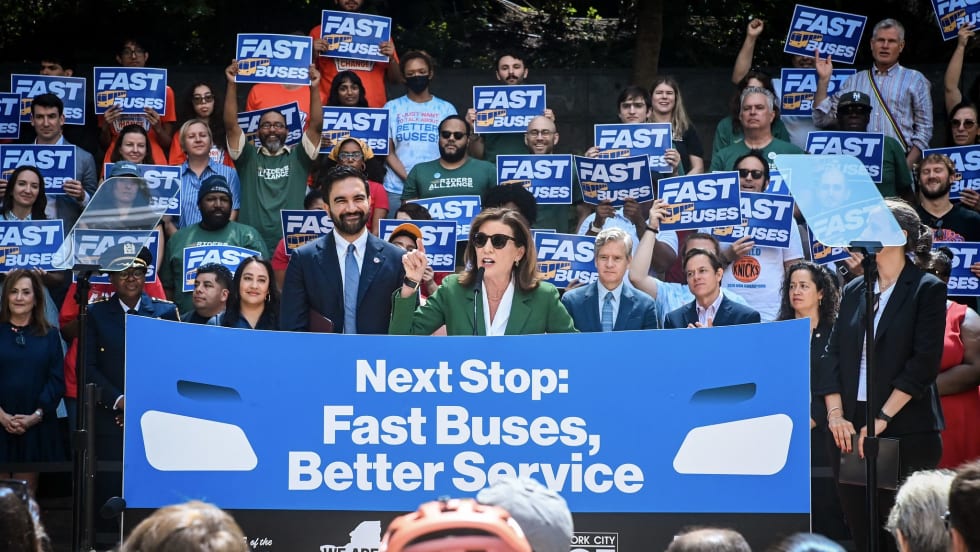
New York Unveils Sweeping Plan to Modernize City Bus Service
Next Stop: Fast Buses, Better Service identifies 50 priority bus corridors for improvements across the five boroughs and launches the City’s next generation of rapid bus service along five key routes.
Read More →
CTDOT Taps STV for Electric Bus Facility Design
The firm will work with CTDOT and RVT to define the facility layout, operational requirements, and long-term flexibility for RVT’s growing electric fleet.
Read More →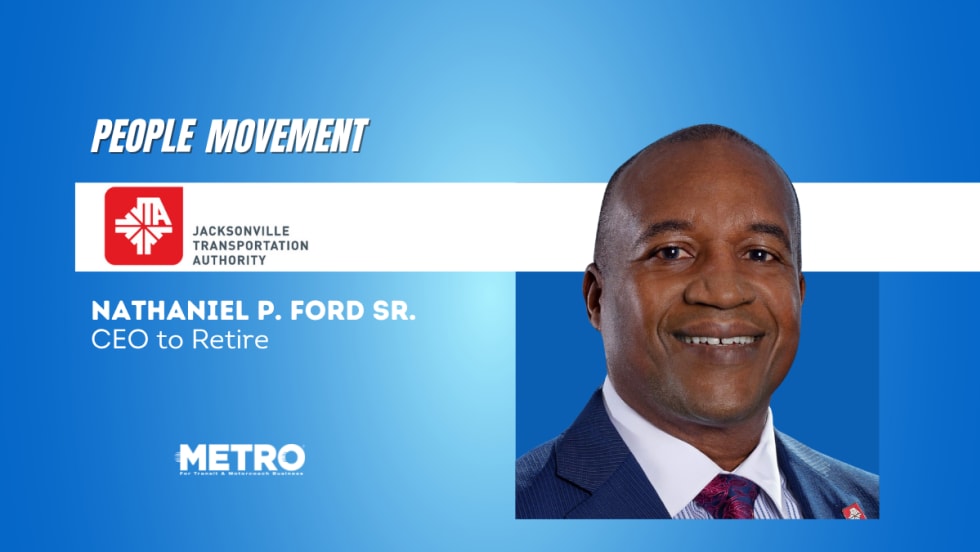
Ford to Leave JTA After More Than 10 Years as CEO
He plans to continue his work advancing innovative mobility solutions to improve the quality of life in communities across the nation. He did not announce specific plans.
Read More →