



SEPTA unveils ‘energy action plan’
Builds on existing energy-saving initiatives already implemented through the agency's Sustainability Program. Measures designed to save the agency more than $2 million a year include switching to daytime cleaning; installing a wayside energy storage device and generating revenue by selling the stored power; and installing a propulsion control system on the Broad Street Line.

Southeastern Pennsylvania Transportation Authority (SEPTA) released its first-ever "Energy Action Plan," a comprehensive initiative aimed at reducing costs through increased efficiencies, while preserving the sustainable environmental benefits of public transit to the region. These measures could save SEPTA over $2 million a year through reductions in energy usage alone, with additional benefits expected.
The plan's release comes amid a time of significant budget challenges for SEPTA. For the third straight year, SEPTA has been forced to defer dozens of critical improvement projects due to funding cuts. The agency's capital budget of approximately $300 million represents a 25% reduction compared to funding levels of three years ago.
These cuts have forced SEPTA to do more with less, and to pursue alternative approaches of investing in infrastructure. Energy offers one such pathway.
The Energy Action Plan builds on existing energy-saving initiatives already implemented through SEPTA's overall Sustainability Program. A no-cost switch to daytime cleaning at its headquarters building has reduced energy consumption in the building by 10%, saving SEPTA over a quarter-million dollars a year. A first of its kind wayside energy storage device, funded by a state grant and installed at a power substation on the Market-Frankford Line, is projected to save SEPTA up to $190,000 a year on energy costs and generate thousands more in new revenue as the stored power is resold on the energy market. A newly installed propulsion control system on the Broad Street Line has made subway operations more efficient, and cut power costs by nearly 13%.
The Energy Action Plan will expand upon these successful initiatives with a series of new energy saving measures to reduce SEPTA's overall power consumption, saving an estimated $2.2 million a year. The plan also aims to leverage these savings to help finance much-needed capital improvements, many of which are on hold indefinitely due to funding cuts.
"The benefits of advancing these plans will benefit SEPTA in the short- and long-term," said SEPTA GM Joseph M. Casey. "The steps outlined in the Energy Action Plan will help ensure SEPTA is prepared to serve customers now and for generations to come."
To read the full Energy Action Plan, click here.
More Bus

PSTA Modernizes Workforce Management with Digital Bidding System
The award-winning Workforce Transit Modernization project replaced paper bidding with a transparent digital platform, cutting administrative effort while improving access for operators.
Read More →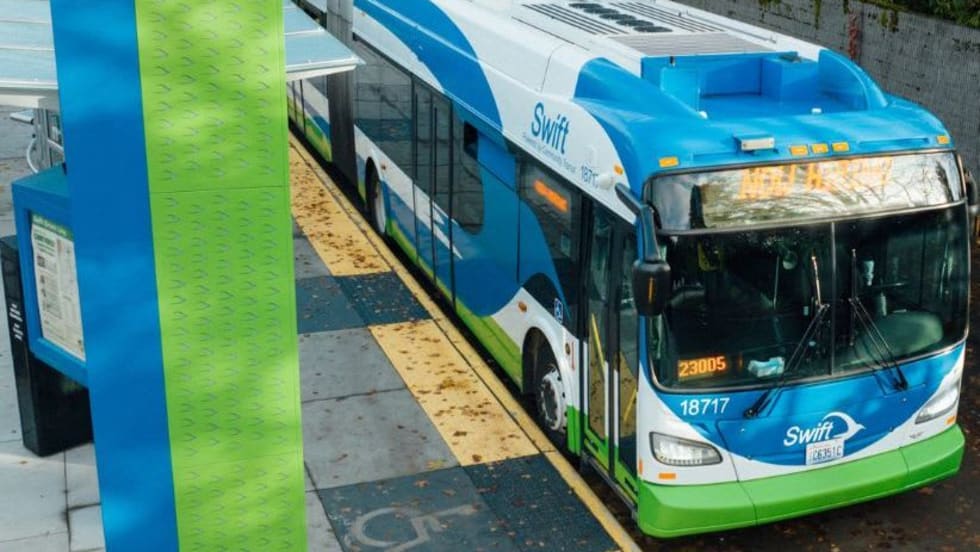
Washington's Community Transit Sets Six-Year Roadmap for Growth, Expansion
Approved TDP targets more bus service, new mobility options, Swift BRT expansion, and a potential Everett Transit annexation.
Read More →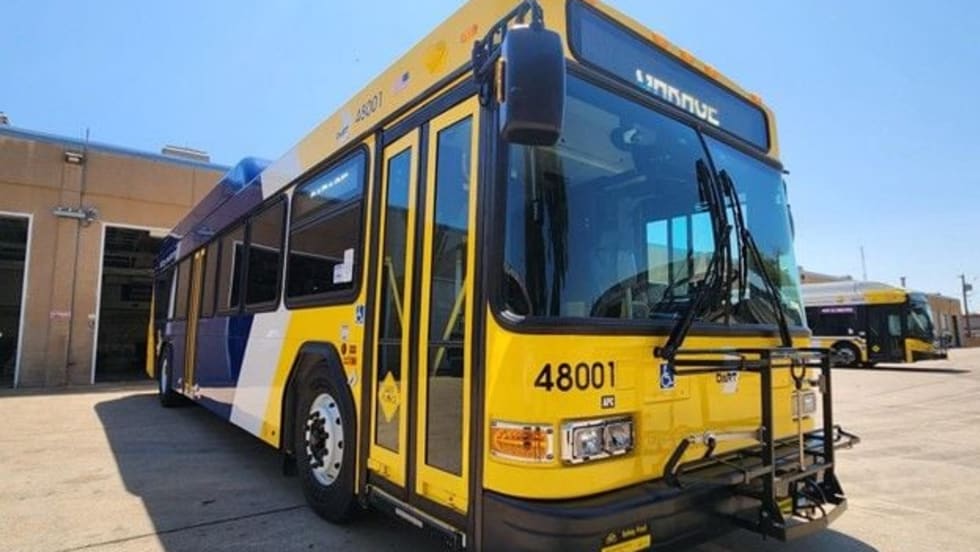
DART Customer Satisfaction Reaches Six-Year High
Overall satisfaction rose to 74.9%, while the agency’s Net Promoter Score reached a record 33.7.
Read More →
How DART's GoPass Is Redefining Regional Mobility
Serving 14 transit agencies, GoPass simplifies multimodal travel by allowing riders to plan, pay for, and manage an entire trip through one app.
Read More →
Biz Briefs: OCTA Taps Clean Energy for Hydrogen Station, Stadler to Supply Via Rail Vehicles, and More
From manufacturers and suppliers to transit agencies and motorcoach operators, these updates offer a snapshot of the projects, partnerships and business moves driving the industry forward.
Read More →
METRO Magazine Announces 2026 Innovative Solutions Awards Winners
Projects Recognized for Advancing Mobility Through Technology, Accessibility, Workforce Innovation, and Operational Excellence
Read More →
Biz Briefs: STV teams with Amtrak, Motorcoach Operators Boost Fleet and Land Contracts, and More
From manufacturers and suppliers to transit agencies and motorcoach operators, these updates offer a snapshot of the projects, partnerships and business moves driving the industry forward.
Read More →
LA Metro Marks Banner Year, Sets Ambitious Goals for New Fiscal Year
Incoming LA Metro Board Chair and Los Angeles Mayor Karen Bass joined outgoing Board Chair Fernando Dutra and LA Metro CEO Stephanie Wiggins to review accomplishments from fiscal year 2026, which included the opening of new rail extensions, advancement of major transit projects, expanded safety programs, and new rider amenities.
Read More →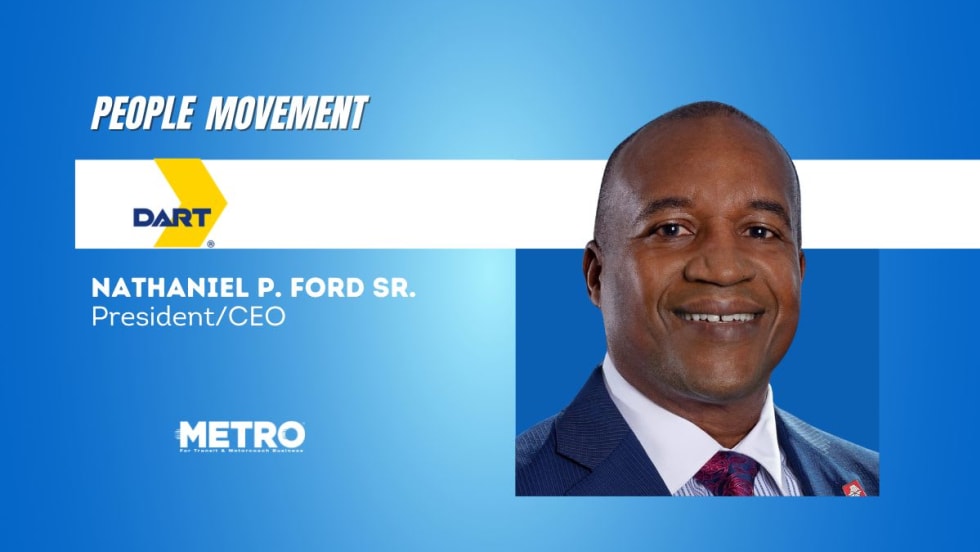
DART Taps Nathaniel P. Ford Sr. as Next President/CEO
Since 2012, Ford has served as the CEO of the Jacksonville Transportation Authority
Read More →
AC Transit’s Cecil Blandon on Building the Next Generation of Transit Maintenance Leaders
The agency’s maintenance chief discusses leadership, workforce development, zero-emission technology, and preparing technicians for the future of public transportation.
Read More →