



Transit partners to offer first-, last-mile options
In January, Portland, Ore.’s TriMet began offering another transportation option after creating a new joint program with car sharing company Zipcar Inc., while the Fort Worth Transportation Authority (The T) started a nonprofit, Fort Worth Bike Sharing, to make cycling an easy way for riders to fill in the gaps of a trip.

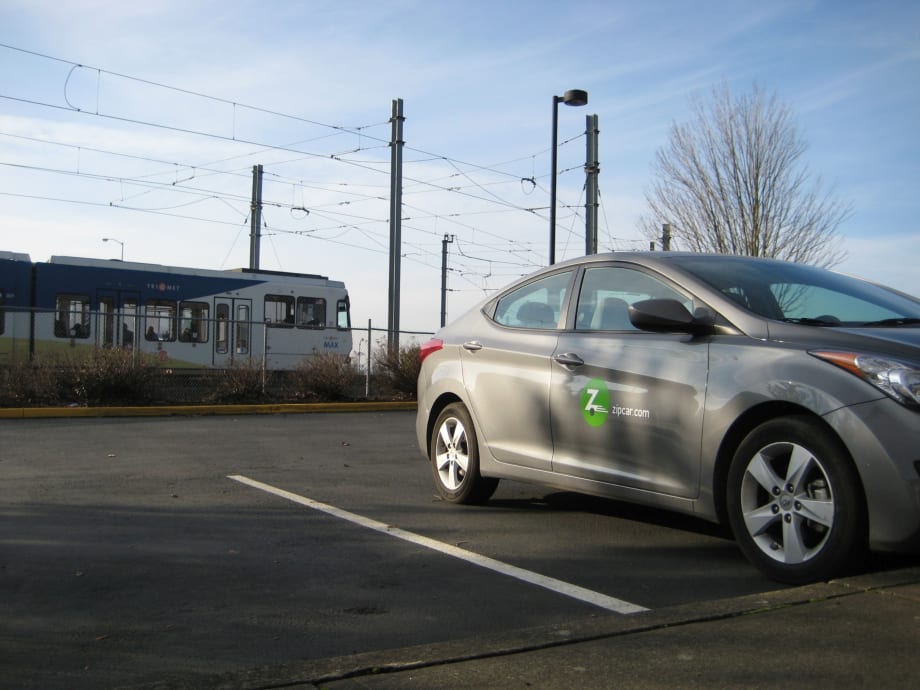
TriMet added two Zipcars at three park-and-ride locations along its MAX rail lines for a total of six cars.

TriMet added two Zipcars at three park-and-ride locations along its MAX rail lines for a total of six cars.
Riders in Portland, Ore. and Fort Worth, Texas now have even more options for the first and last miles of longer trips.
In January, Portland, Ore.’s TriMet began offering another transportation option for the last mile after creating a new joint program with car sharing company Zipcar Inc.
The transit system added two Zipcars at three TriMet park-and-ride locations along its MAX rail lines for a total of six cars. The cars make the service more accessible to the existing car-sharing community while encouraging public transportation use by providing cost effective and convenient travel options for transit riders, according to TriMet.
Last year as TriMet was considering whether Zipcars would be a good addition to its park-and-ride facilities, it looked to other agencies to see how car sharing was working for their riders.
“We’d only seen positive partnerships at our peer agencies, which was a good indicator,” Angela Murphy, communications coordinator, TriMet, said.
TriMet now joins transit systems across the U.S. that work with Zipcar to bridge the last mile of transit trips, including San Francisco’s Bay Area Rapid Transit District, the Chicago Transit Authority, King County Metro Transit in Seattle and Boston’s Massachusetts Bay Transportation Authority.
Combining transit with car sharing gives riders the option to be carless in a city and allows for significantly more mobility, Murphy said.
After launch, TriMet saw immediate interest: within 30 minutes of cars being posted as available at the MAX park-and-rides on the Zipcar network, two of the cars were already reserved.
Additionally, more people were looking to start riding transit now that they have this additional option to complete errands, Murphy said.
The cars are typically useful for re-verse trips: taking transit to a transit center with a Zipcar to run an errand, such as grocery shopping, in a location further away from the transit center, Murphy explained, then returning the car to the transit center and taking transit home.
“It’s really helpful to have a trunk or additional space,” she added.

The T's bike sharing members can sign up for an annual, 30-day, 7-day, 3-day, or 24-hour membership through Fort Worth Bike Sharing’s website.
Meanwhile, the Fort Worth Transportation Authority (The T) started a nonprofit, Fort Worth Bike Sharing, to make cycling an easy way for riders to fill in the gaps of a trip.
“One of the things you always hear people say is, ‘I’d ride the bus, but it doesn’t take me to my job.’ So, we thought providing bikes might be a good way of taking that excuse away from people,” Tony Johnson VP, chief operations officer, The T, said.
Johnson and Kristen Camareno, who used to work for The T but is now the executive director of Fort Worth Bike Sharing, started doing research about three years ago and came up with the bike sharing program as a more cost-effective alternative to car sharing, Johnson recalled.
The bike sharing program operates with its own staff, but works with The T for promotion and grant funding.
Bike sharing members can sign up for an annual, 30-day, 7-day, 3-day, or 24-hour membership through Fort Worth Bike Sharing’s website. Then, they receive a “B-card” equipped with an RFID chip associated with their account in the mail, present it at a B-cycle bike sharing station dock to rent a bike and then return it to the station.
The program started out with 30 stations and added four more within the last 10 months it has been in operation.
The program is particularly popular with downtown Fort Worth residents, which is where the highest concentration of ridership is, Johnson said, possibly due to new development, such as shops and bars.
In the 10 months the program has been available, use of the bike share stations located at the main transfer center in downtown and Trinity Railway Express stations has steadily grown, despite having the lowest number of users of all bike sharing stations when the program began.
RELATED: "Transit going the extra mile to accommodate cyclists"
More Bus
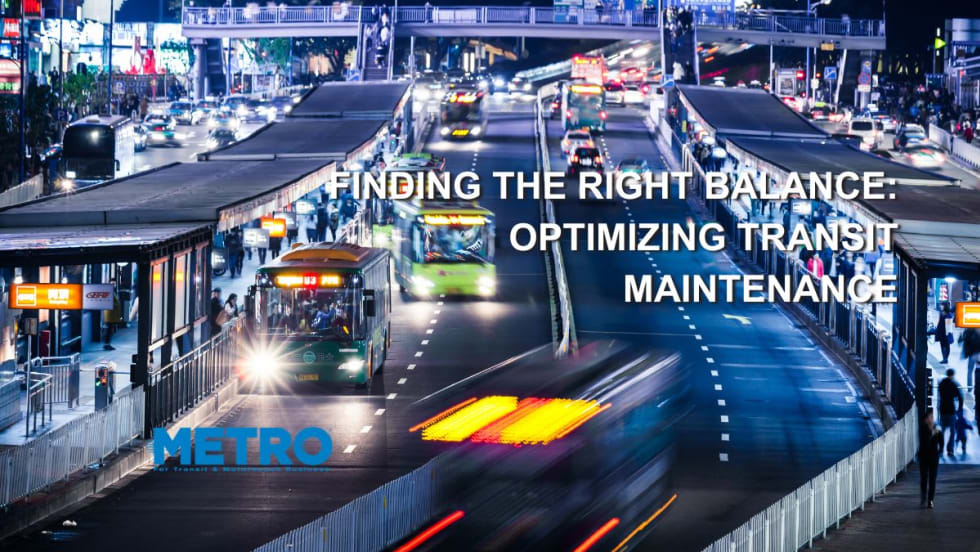
Finding the ‘Happy Medium’: Optimizing Maintenance Without Sacrificing Reliability
The key to maintenance optimization isn’t doing less work—it’s doing the right work at the right time on the right assets.
Read More →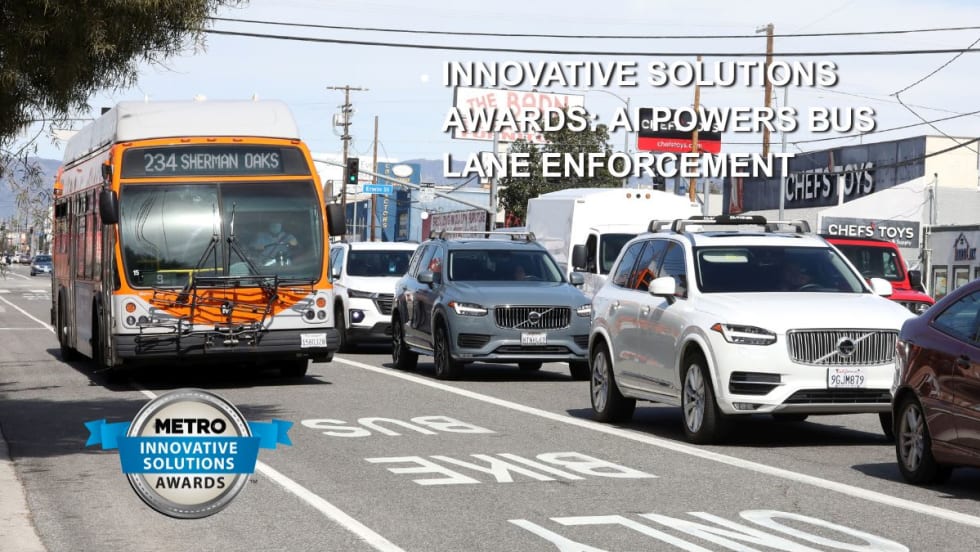
LA Metro, City of West Hollywood, and Partners Advance Smarter Bus Lane Enforcement
The award-winning partnership combines AI-powered detection with human oversight to improve bus reliability, accessibility, and enforcement efficiency.
Read More →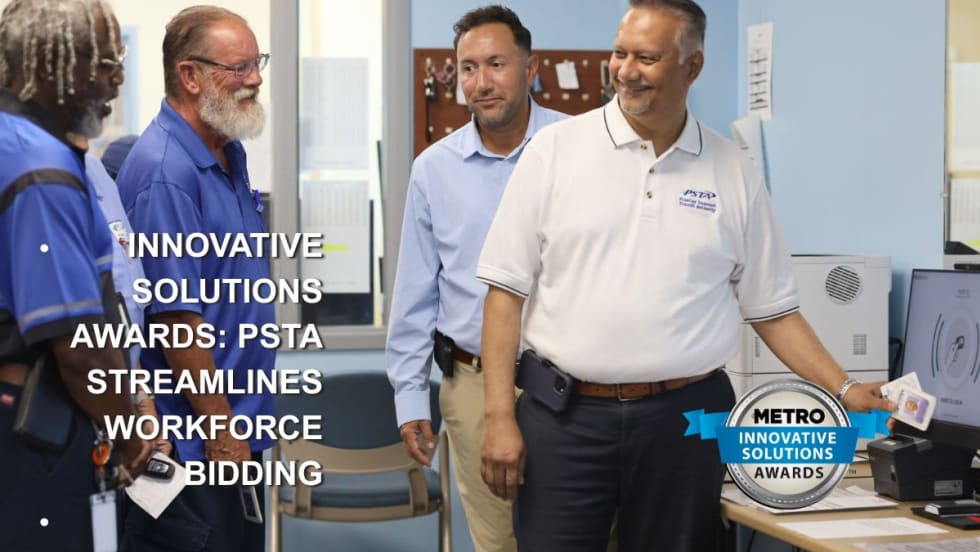
PSTA Modernizes Workforce Management with Digital Bidding System
The award-winning Workforce Transit Modernization project replaced paper bidding with a transparent digital platform, cutting administrative effort while improving access for operators.
Read More →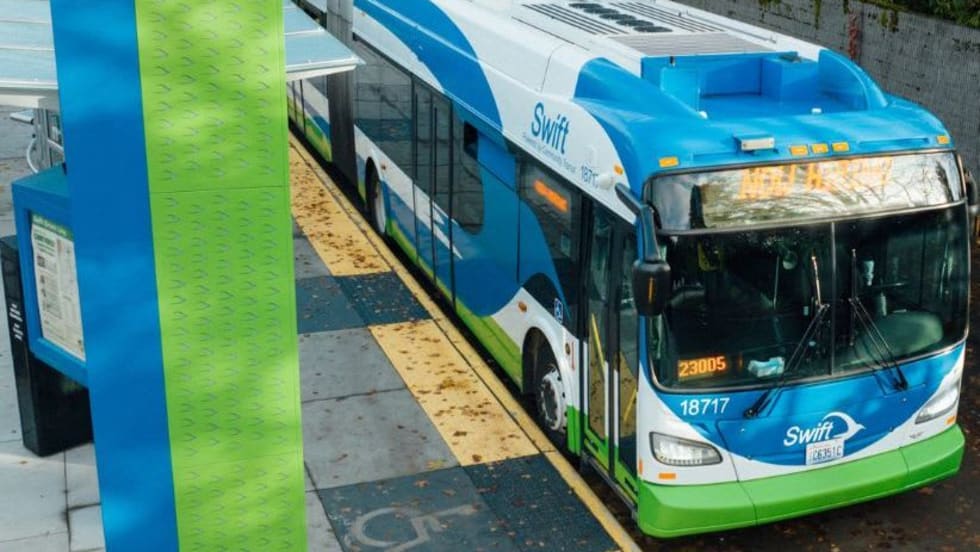
Washington's Community Transit Sets Six-Year Roadmap for Growth, Expansion
Approved TDP targets more bus service, new mobility options, Swift BRT expansion, and a potential Everett Transit annexation.
Read More →
DART Customer Satisfaction Reaches Six-Year High
Overall satisfaction rose to 74.9%, while the agency’s Net Promoter Score reached a record 33.7.
Read More →
How DART's GoPass Is Redefining Regional Mobility
Serving 14 transit agencies, GoPass simplifies multimodal travel by allowing riders to plan, pay for, and manage an entire trip through one app.
Read More →
Biz Briefs: OCTA Taps Clean Energy for Hydrogen Station, Stadler to Supply Via Rail Vehicles, and More
From manufacturers and suppliers to transit agencies and motorcoach operators, these updates offer a snapshot of the projects, partnerships and business moves driving the industry forward.
Read More →
METRO Magazine Announces 2026 Innovative Solutions Awards Winners
Projects Recognized for Advancing Mobility Through Technology, Accessibility, Workforce Innovation, and Operational Excellence
Read More →
Biz Briefs: STV teams with Amtrak, Motorcoach Operators Boost Fleet and Land Contracts, and More
From manufacturers and suppliers to transit agencies and motorcoach operators, these updates offer a snapshot of the projects, partnerships and business moves driving the industry forward.
Read More →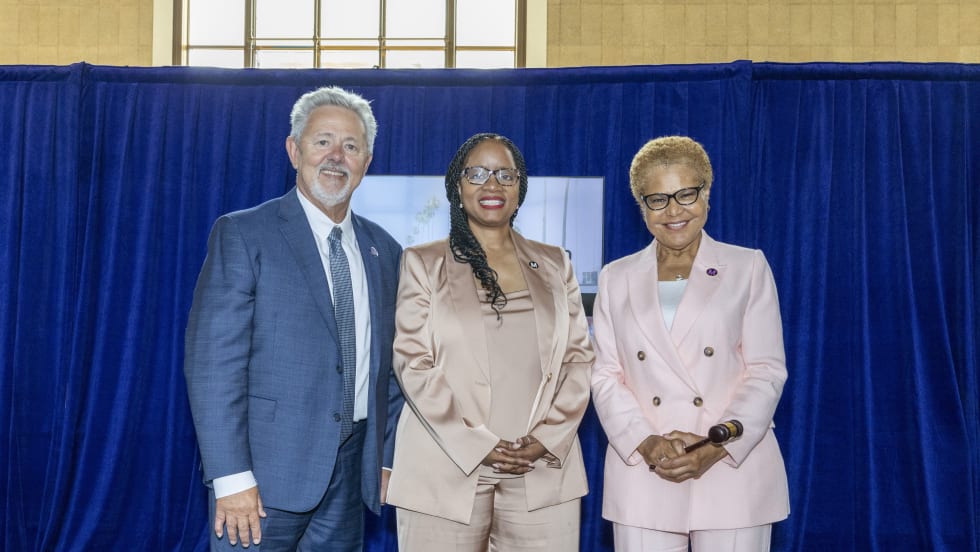
LA Metro Marks Banner Year, Sets Ambitious Goals for New Fiscal Year
Incoming LA Metro Board Chair and Los Angeles Mayor Karen Bass joined outgoing Board Chair Fernando Dutra and LA Metro CEO Stephanie Wiggins to review accomplishments from fiscal year 2026, which included the opening of new rail extensions, advancement of major transit projects, expanded safety programs, and new rider amenities.
Read More →