



LA DOT add 9 more MCI CNG Commuter Coaches
The new coaches come equipped with a Cummins ISX-G CNG engine and meet standards under the U.S. Environmental Protection Agency and the California’s Air Resource Board, which have led to advances in lowering emissions.

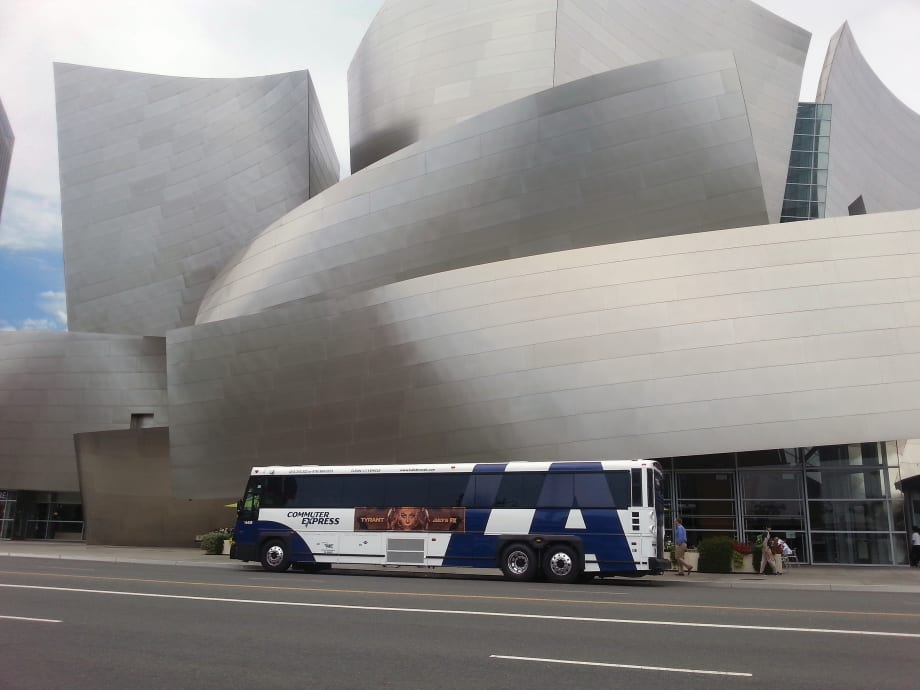

Motor Coach Industries (MCI), a subsidiary of New Flyer Industries Inc., announced that the Los Angeles Department of Transportation (LA DOT) added nine more compressed natural gas (CNG) Commuter Coaches. The new 45-foot coaches, purchased off an option at an estimated cost of $6.8 million, brings the number of CNG-powered MCI coaches now part of LA DOT’s fleet to 104.
The new coaches come equipped with a Cummins ISX-G CNG engine and meet standards under the U.S. Environmental Protection Agency and the California’s Air Resource Board, which have led to advances in lowering emissions.
“MCI is proud of all of its long-time public transportation partnerships, but Los Angeles is special because of the city’s history working for a cleaner environment,” said Patrick Scully, MCI executive VP, sales and marketing. “MCI is dedicated to innovation in green mass transit and we are honored LA DOT has put our products to work in their effort.”
According to LA DOT Chief of Transit Corinne Ralph, the new 45-foot models serve the agency’s goal to improve the quality of express service by replacing older buses, expanding seating capacity, and leveraging technology for improved operational integration.
The MCI Commuter Coach is built with a semi-monicoque stainless steel frame and advanced handling features for a safe ride at highway speeds. The new coaches have wheelchair lifts, padded forward-facing seats for 57 riders and amenities like personal reading lights and airflow controls. Options added include bike racks, security cameras, power outlets and USB ports at every seat, and most importantly, in-cabin Wi-Fi to allow distance riders to work and relax with their digital devices.
LA DOT’s Commuter Express system connects outlying suburban districts with Downtown Los Angeles and other busy centers including Century City, Westwood, LAX, El Segundo, Pasadena, Glendale, Burbank and Encino. LA DOT first ordered 84 40-foot CNG MCI Commuter Coaches with seating for 49 passengers in 2011.
More Bus
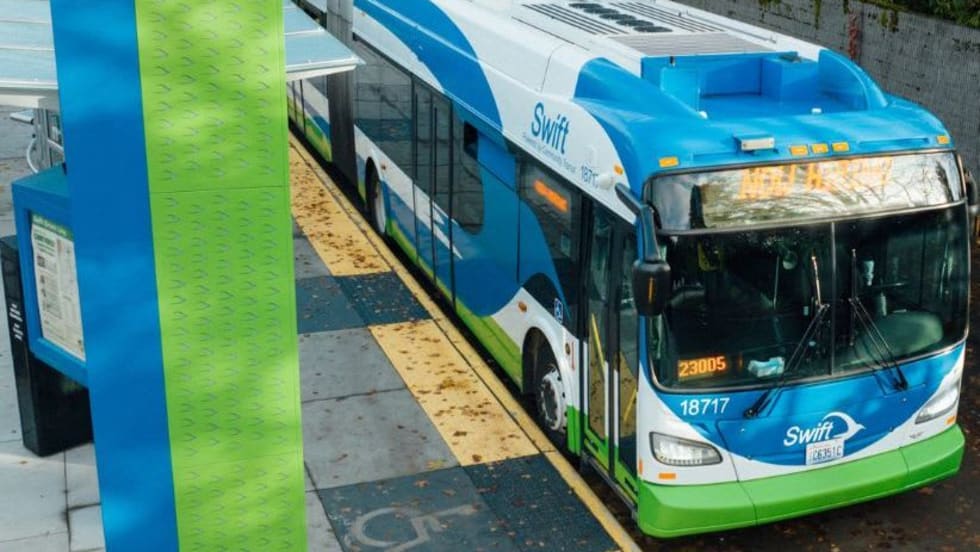
Washington's Community Transit Sets Six-Year Roadmap for Growth, Expansion
Approved TDP targets more bus service, new mobility options, Swift BRT expansion, and a potential Everett Transit annexation.
Read More →
DART Customer Satisfaction Reaches Six-Year High
Overall satisfaction rose to 74.9%, while the agency’s Net Promoter Score reached a record 33.7.
Read More →
How DART's GoPass Is Redefining Regional Mobility
Serving 14 transit agencies, GoPass simplifies multimodal travel by allowing riders to plan, pay for, and manage an entire trip through one app.
Read More →
Biz Briefs: OCTA Taps Clean Energy for Hydrogen Station, Stadler to Supply Via Rail Vehicles, and More
From manufacturers and suppliers to transit agencies and motorcoach operators, these updates offer a snapshot of the projects, partnerships and business moves driving the industry forward.
Read More →
METRO Magazine Announces 2026 Innovative Solutions Awards Winners
Projects Recognized for Advancing Mobility Through Technology, Accessibility, Workforce Innovation, and Operational Excellence
Read More →
Biz Briefs: STV teams with Amtrak, Motorcoach Operators Boost Fleet and Land Contracts, and More
From manufacturers and suppliers to transit agencies and motorcoach operators, these updates offer a snapshot of the projects, partnerships and business moves driving the industry forward.
Read More →
LA Metro Marks Banner Year, Sets Ambitious Goals for New Fiscal Year
Incoming LA Metro Board Chair and Los Angeles Mayor Karen Bass joined outgoing Board Chair Fernando Dutra and LA Metro CEO Stephanie Wiggins to review accomplishments from fiscal year 2026, which included the opening of new rail extensions, advancement of major transit projects, expanded safety programs, and new rider amenities.
Read More →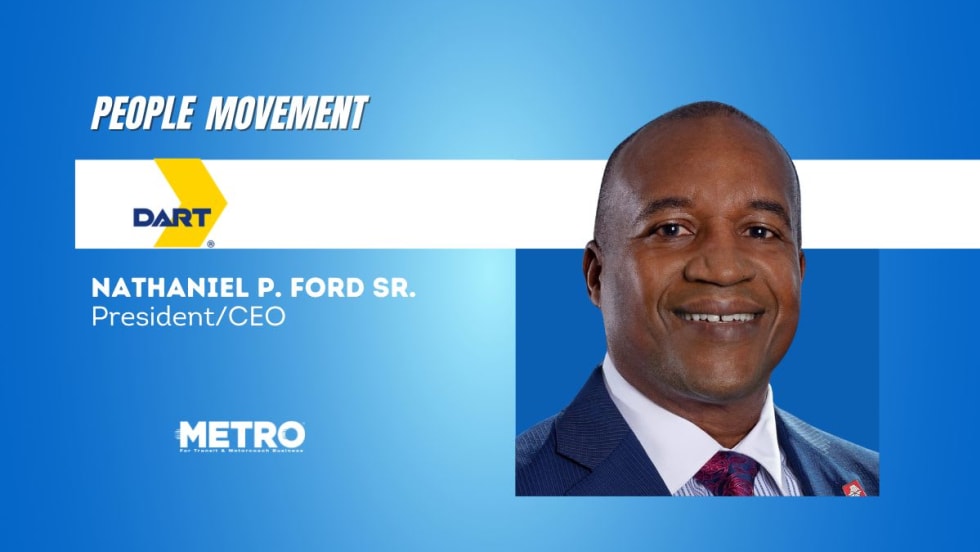
DART Taps Nathaniel P. Ford Sr. as Next President/CEO
Since 2012, Ford has served as the CEO of the Jacksonville Transportation Authority
Read More →
AC Transit’s Cecil Blandon on Building the Next Generation of Transit Maintenance Leaders
The agency’s maintenance chief discusses leadership, workforce development, zero-emission technology, and preparing technicians for the future of public transportation.
Read More →
Building the Next Generation of Transit Technology
In this edition of METROspectives, Luminator CEO Magnus Friberg discusses the company's transformation, the growing role of AI and software, and what's next for transit technology.
Read More →