



Valley Metro to add 187 ENC, New Flyer buses
All vehicles are funded by Federal Transit Administration and a half-cent sales tax that funds the Regional Transportation Plan in Maricopa County, which was approved by voters in 2004.

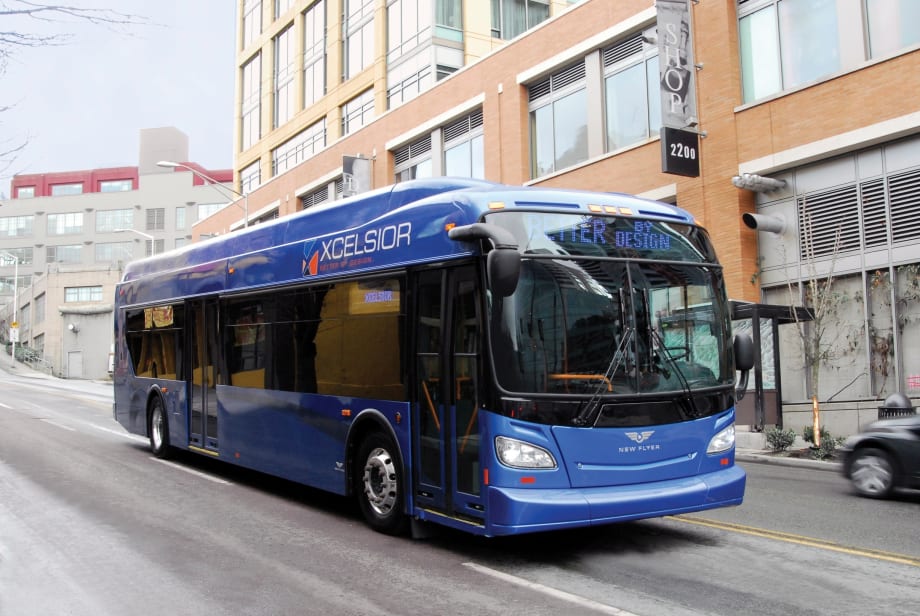
Phoenix Valley Metro announced it is adding a five-year base quantity of 187 buses, which will include 30-foot compressed natural gas (CNG), 40-foot CNG and diesel, and 60-foot CNG vehicles from both ENC (formerly ElDorado) and New Flyer. There is also an option to purchase up to another 109 heavy duty buses.
The purchase is part of a joint regional procurement with the city of Phoenix, which allows a five-year regional acquisition.
“Replacing older fleet is key to keeping our service efficient and more comfortable for our riders,” said Scott Smith, Valley Metro CEO. “With new technology and aerodynamic styling, we believe we can attract a new generation of riders to public transit.”
Passenger comfort features include an upgraded air conditioning system and a new type of transmission for smoother shifting. An enhanced electronic fan system will provide improved engine performance, especially on summer’s hottest days. To support security efforts, high definition cameras will be on board each new bus.
At their June meeting, the Valley Metro Board of Directors gave the approval to execute contracts with ENC and New Flyer for the manufacture and delivery of fleet. Total cost of the purchase is $169.7 million. All vehicles are funded by Federal Transit Administration and a half-cent sales tax that funds the Regional Transportation Plan in Maricopa County, which was approved by voters in 2004.
More Bus
Biz Briefs: New Flyer Delivers in Columbus, Houston, Beep and Freebee Merge, and More
In this edition of Biz Briefs, we spotlight the latest developments shaping the future of mobility.
Read More →
People Movement: Dan Dipert Coaches Adds Third-Generation Leader, Keolis Names New Valley Metro VP/GM, and More
In this edition, we also cover recent appointments and announcements at the Wabtec, SilverRide, HNTB, and more, showcasing the individuals helping to shape the future of transportation.
Read More →
New York MTA Plans Largest Bus Fleet Upgrade in More Than a Decade
The agency is seeking manufacturers for 650 new CNG buses to replace aging vehicles, improve reliability, and advance its broader fleet modernization strategy.
Read More →
Building a Flexible Path to Transit Electrification
John Hroncich discusses BAE Systems’ modular and scalable approach, lessons learned from decades of real-world operations, and how agencies can identify electrification strategies that fit their fleets.
Read More →
Bus Tech Talk: Keeping Transit Technicians Ahead of the Technology Curve
LA Metro’s Obed Mejia discusses technician training, evolving maintenance technology, fleet replacement, and strategies for getting the most out of today’s transit fleets.
Read More →
Biz Briefs: RIPTA Unveils New Frontrunners, Clevland RTA Adds New Siemens, and More
In METRO's latest installment, we take a look at recent news from Siemens, Prevost, Dodge, and more partnerships making headlines across the transportation sector.
Read More →
People Movement: Holly Arnold Joins Transdev and More
In this edition, we also cover recent appointments and announcements at Pace, CamTran, MCI, and more, showcasing the individuals helping to shape the future of transportation.
Read More →
The High Cost of Transit Buses: Industry Leaders Look to Procurement Reform
Transit leaders and policymakers examine how standardized bus designs, streamlined procurement, and predictable funding could help agencies stretch budgets and deliver better service.
Read More →
The Business Voice Behind Public Transportation
As chair of APTA’s Business Members Board of Governors, Ray Melleady explains how more than 850 business members are partnering with transit agencies to advance funding, innovation, and industry-wide collaboration.
Read More →
From Surviving to Thriving: Building Stronger Transportation Organizations
Bus Business Consultants founder Brian Dickson shares lessons on leadership, organizational health, and creating options for long-term success in a changing transportation industry.
Read More →