The national distributor of commercial buses, school buses, and mobility vans is also committed to providing Arizona with their brand of best-in-class customer service and support.
Schetky will be focusing on selling vehicles in this territory to the local transit agencies, tribes, and businesses.
2 min to read
Schetky will be focusing on selling vehicles in this territory to the local transit agencies, tribes, and businesses.
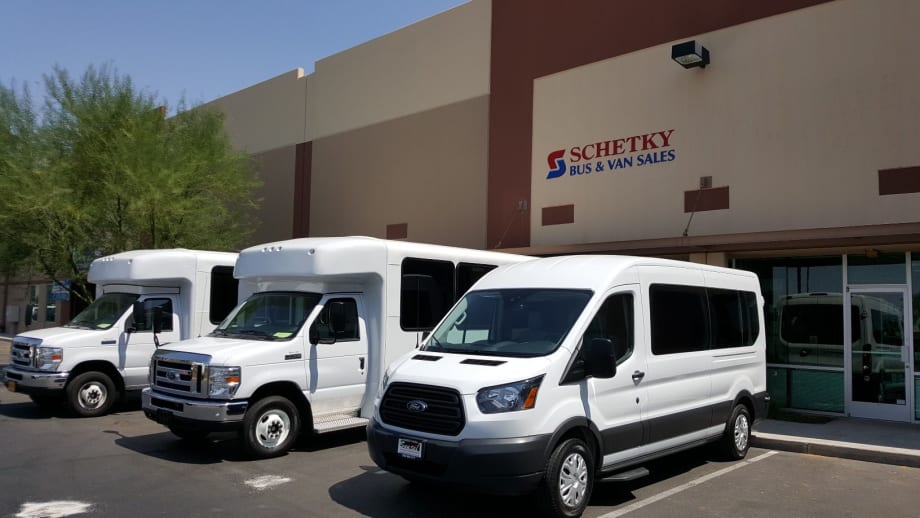
Schetky Bus and Van Sales announced that they have opened a new sales and service facility in Tolleson, Ariz.
Schetky is a national distributor of commercial buses, school buses, and mobility vans and is committed to providing Arizona with their brand of best-in-class customer service and support. Schetky will be focusing on selling vehicles in this territory to the local transit agencies, tribes, and businesses.
Ad Loading...
“Going back to 1942, our belief has always been that customer support is ultimately what drives sales,” said Schetky VP David Schetky. “When looking to open a facility in Arizona, one of the comments we heard over and over again was that customers did not feel like they were getting the proper level of support. This was exciting for us, because support is what we excel at. Schetky opening an office in Arizona became the perfect fit.”
“Schetky is a very strong dealership for REV Group, and their company is known for going above and beyond to service their loyal customers,” said REV Bus Group’s Regional Sales Director Jason Walle. “As a REV Platinum Partner, Schetky is a great example of how our partnerships can bring success, and our commitment to them allows Schetky to provide the absolute best pricing and parts availability.”
Schetky will be representing the industry’s top bus manufacturers in Arizona, including ElDorado, Goshen, Champion, and World Trans. They also provide training for all vehicle and wheelchair accessibility components. Schetky’s new office, which is located at 407 S. 107th Ave., Suite A16, in Tolleson, can be reached by telephone at (623) 478-1920.
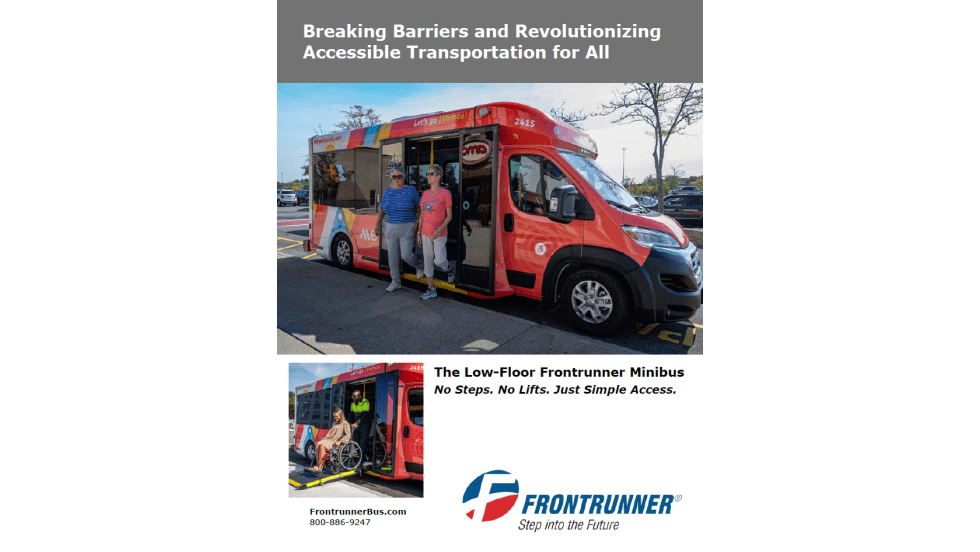
Accessible transit isn’t a feature—it’s a responsibility. This whitepaper explores how the Low-Floor Frontrunner is redefining mobility with a breakthrough design that removes barriers, empowers riders, and delivers measurable operational advantages for agencies. Discover why this next generation minibus is setting a new standard for inclusive transportation.
SEPTA was awarded $43 million in competitive grant funding from the FTA's FY25 Low and No Emission and Bus and Bus Facilities grant programs to support this procurement.
In part 1 of a two-part conversation, AC Transit’s director of maintenance joins co-hosts Alex Roman and Mark Hollenbeck to discuss his journey from the U.S. Marines to public transit and the role mentorship plays in developing the next generation of industry leaders.
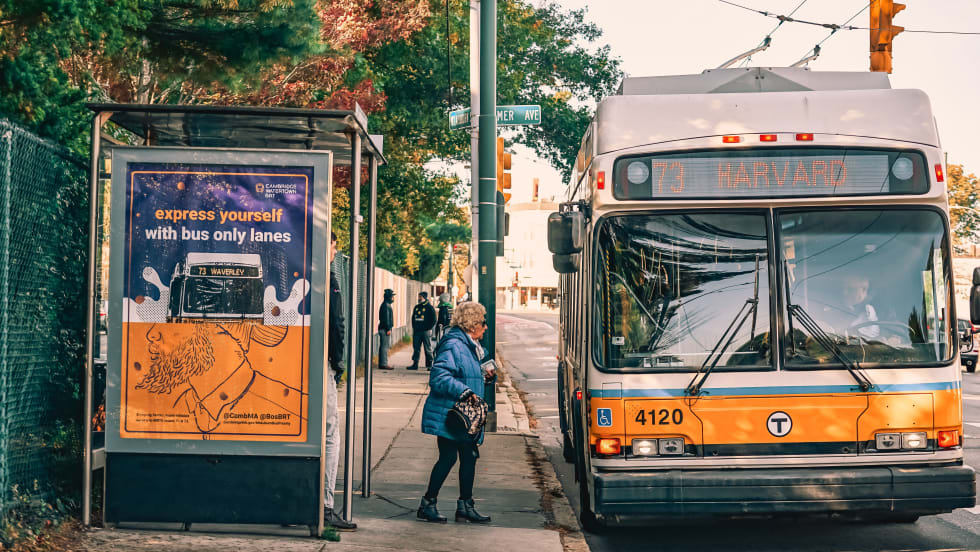
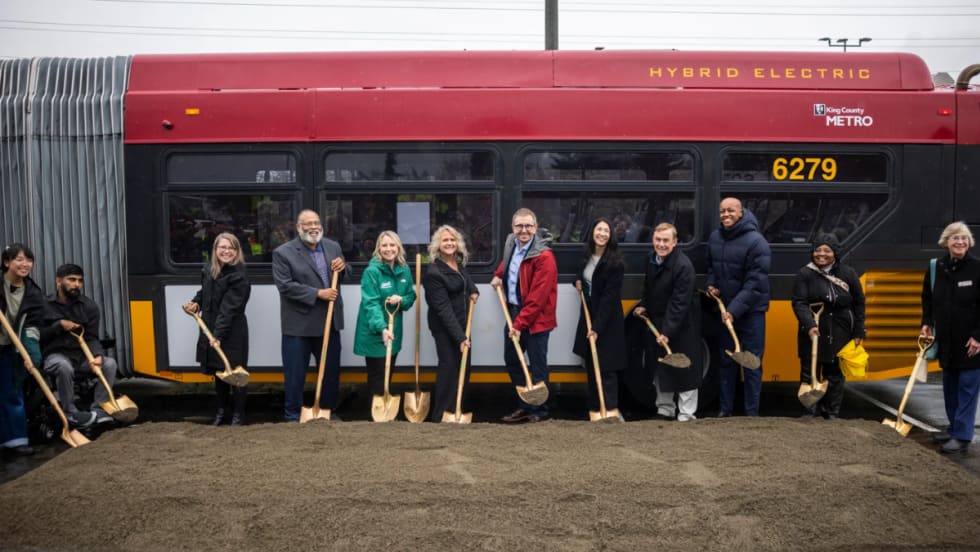
When construction is complete, battery-electric buses will operate from the Arborway facility on Day One, providing cleaner, quieter, and more reliable service for riders, the MBTA said. After completion, the old facility will be demolished, and the land will be made available for redevelopment.
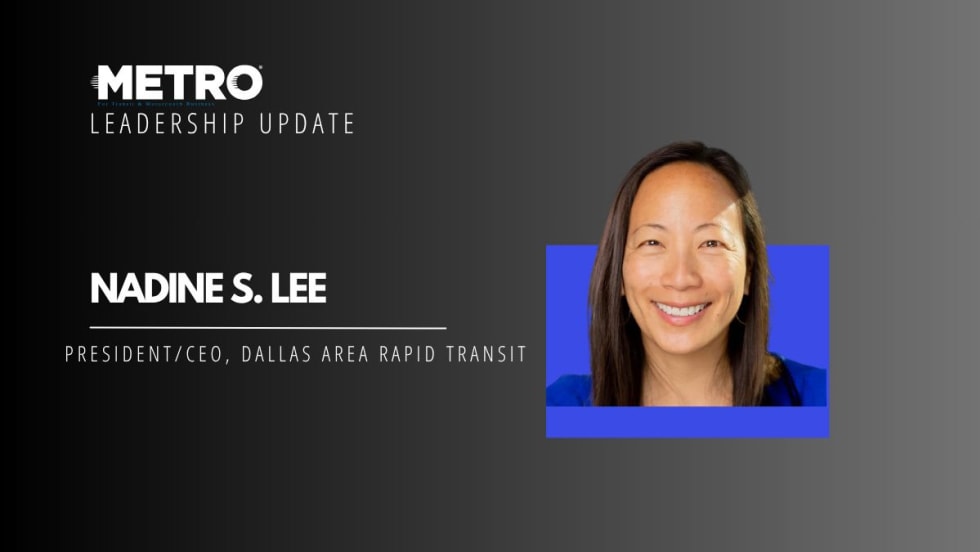
Nadine S. Lee, who has served as president/CEO since July 2021, said the decision comes after careful reflection on the agency’s progress and its path forward.
In this conversation, TBC’s Executive Director Ed Redfern, President Corey Aldridge, and Washington Representative Joel Rubin outline the coalition’s key policy priorities, the challenges facing transit agencies, and how industry stakeholders can work together to strengthen the voice of bus transit at the federal level.
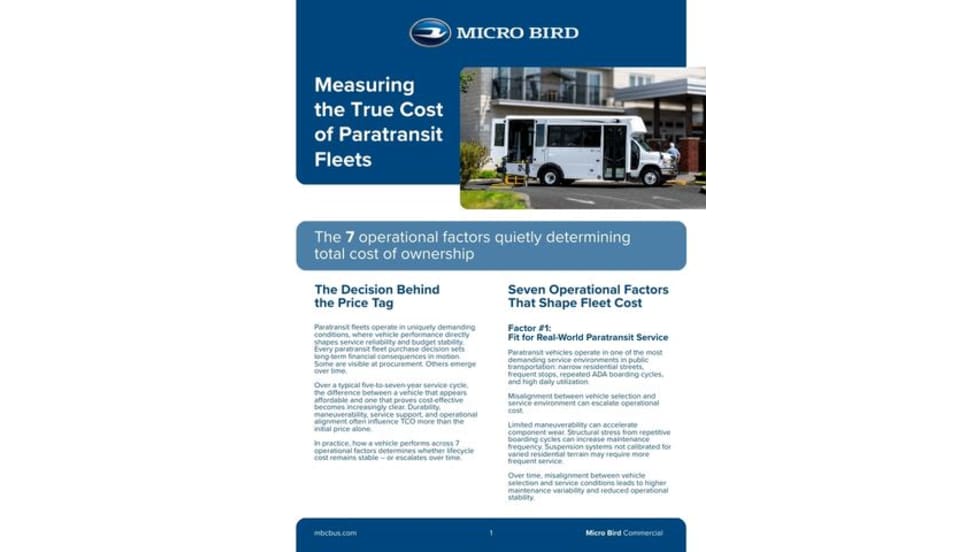
What truly drives the cost of a paratransit fleet? Beyond the purchase price, seven operational factors quietly determine maintenance frequency, downtime, and long-term service reliability. This whitepaper explores how these factors shape lifecycle cost and what agencies should evaluate when selecting paratransit vehicles.
In this conversation, TBC’s Executive Director Ed Redfern, President Corey Aldridge, and Washington Representative Joel Rubin outline the coalition’s key policy priorities, the challenges facing transit agencies, and how industry stakeholders can work together to strengthen the voice of bus transit at the federal level.