



Mass. BRT pilot combines design, art to launch improved experience
Featuring the work of five local artists along the corridor, the pilot aims to bring more efficient and reliable service.


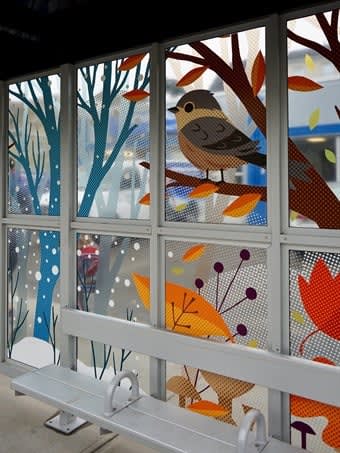
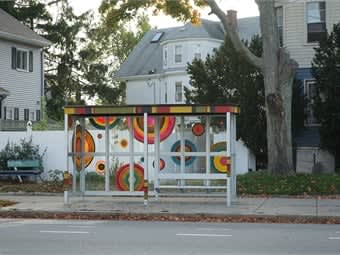
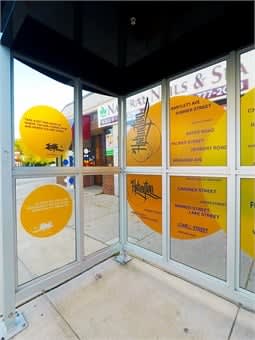
Five bus stops along the route will be decorated with designs from local artists, commissioned by Arlington Public Arts to enhance the experience of waiting for the bus and complement the BRT elements that improve the ride itself.
This is the second bus pilot in a series funded by the Barr Foundation.
The Town of Arlington, the Massachusetts Department of Transportation (MassDOT), the MBTA, local officials, civic organizations, and Arlington residents celebrated the official launch of ArlBRT, a month-long bus priority pilot that will test elements of bus rapid transit (BRT) along three MBTA routes.
Featuring the work of five local artists at bus shelters along the Massachusetts Avenue corridor, the pilot aims to bring more efficient and reliable service while also enhancing the entire bus experience for more than 10,000 daily bus riders.
The ArlBRT pilot, funded by the Barr Foundation’s mobility initiative, aims to improve transportation through elements of BRT that will benefit bus riders, drivers, and bicyclists alike, including a dedicated bus lane will take buses out of the car congestion along Massachusetts Avenue from Varnum Street to Alewife Brook Parkway; an inbound “queue jump” that will give buses priority at the intersection of Lake Street and Alewife Brook Parkway; and Transit signal priority (TSP) at four key intersections that will give buses more green-light time at intersections while improving traffic flow overall.
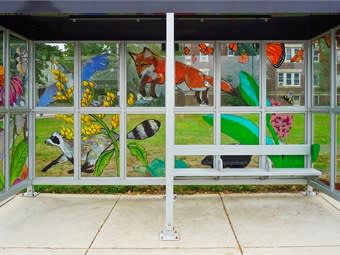
Five bus stops along the route will be decorated with designs from local artists, commissioned by Arlington Public Arts to enhance the experience of waiting for the bus and complement the BRT elements that improve the ride itself.
"Piloting BRT in Arlington is truly about making human-scale improvements to the quality of life of our residents," said Arlington Town Manager Adam Chapdelaine. "Through this pilot, we are working to improve the commute of many of our residents, while simultaneously infusing the streetscape with vibrancy via the installation of public art along the bus route.”
“Our hope is that collective efforts like this demonstrate that we can deliver an enhanced service in a more efficient and sustainable manner for our bus customers, who represent approximately 30 percent of the T’s ridership on a given day,” said MBTA GM Luis Manual Ramírez.
n July, the City of Everett built on its rush hour bus-only lane on Broadway by adding TSP and platform-level boarding at two bus stops in Everett Square.
Five bus stops along the route will be decorated with designs from local artists, commissioned by Arlington Public Arts to enhance the experience of waiting for the bus and complement the BRT elements that improve the ride itself.
"Each shelter will be unique; some artists are choosing to celebrate nature, since public transportation is so critical to environmental sustainability. Others use colorful patterns, unexpected materials or playful interaction to engage riders. All seek to transform the ordinary experience of waiting for the bus into a moment of magic," said Cecily Miller, Curator for Arlington Public Art.
Later this month, the City of Cambridge and Town of Watertown will implement a dedicated bus lane along Mount Auburn Street, speeding rides along the MBTA 71 and 73 routes.
This is the second bus pilot in a series funded by the Barr Foundation. In July, the City of Everett built on its rush hour bus-only lane on Broadway by adding TSP and platform-level boarding at two bus stops in Everett Square. Later this month, the City of Cambridge and Town of Watertown will implement a dedicated bus lane along Mount Auburn Street.
More Bus

Report: Transit Bus Manufacturing Supports 34,100 Jobs, $5.1B in GDP
The “Buses Mean Business” report examines the transit bus manufacturing industry’s economic footprint, supply chain, and rising demand for vehicle replacements.
Read More →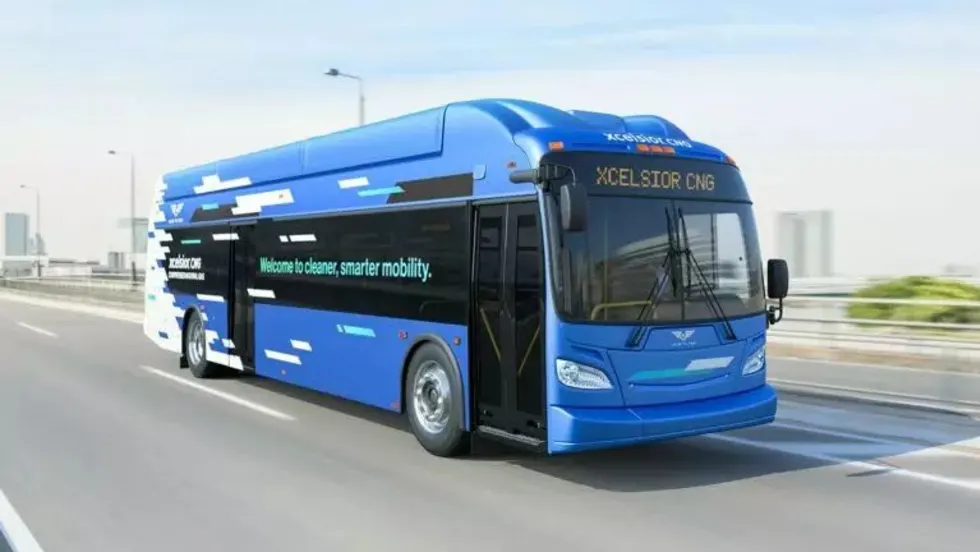
Biz Briefs: New Flyer Delivers in Columbus, Houston, Beep and Freebee Merge, and More
In this edition of Biz Briefs, we spotlight the latest developments shaping the future of mobility.
Read More →
People Movement: Dan Dipert Coaches Adds Third-Generation Leader, Keolis Names New Valley Metro VP/GM, and More
In this edition, we also cover recent appointments and announcements at the Wabtec, SilverRide, HNTB, and more, showcasing the individuals helping to shape the future of transportation.
Read More →
New York MTA Plans Largest Bus Fleet Upgrade in More Than a Decade
The agency is seeking manufacturers for 650 new CNG buses to replace aging vehicles, improve reliability, and advance its broader fleet modernization strategy.
Read More →
Building a Flexible Path to Transit Electrification
John Hroncich discusses BAE Systems’ modular and scalable approach, lessons learned from decades of real-world operations, and how agencies can identify electrification strategies that fit their fleets.
Read More →
Bus Tech Talk: Keeping Transit Technicians Ahead of the Technology Curve
LA Metro’s Obed Mejia discusses technician training, evolving maintenance technology, fleet replacement, and strategies for getting the most out of today’s transit fleets.
Read More →
Biz Briefs: RIPTA Unveils New Frontrunners, Clevland RTA Adds New Siemens, and More
In METRO's latest installment, we take a look at recent news from Siemens, Prevost, Dodge, and more partnerships making headlines across the transportation sector.
Read More →
People Movement: Holly Arnold Joins Transdev and More
In this edition, we also cover recent appointments and announcements at Pace, CamTran, MCI, and more, showcasing the individuals helping to shape the future of transportation.
Read More →
The High Cost of Transit Buses: Industry Leaders Look to Procurement Reform
Transit leaders and policymakers examine how standardized bus designs, streamlined procurement, and predictable funding could help agencies stretch budgets and deliver better service.
Read More →
The Business Voice Behind Public Transportation
As chair of APTA’s Business Members Board of Governors, Ray Melleady explains how more than 850 business members are partnering with transit agencies to advance funding, innovation, and industry-wide collaboration.
Read More →