



VTA restores hybrid bus batteries in-house for maintenance efficiency
Most transit agencies hire outside specialty mechanics to completely overhaul or replace major components.

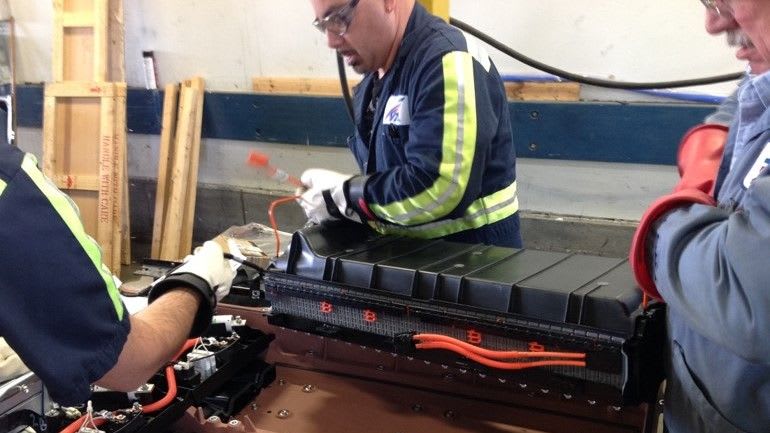
California's Santa Clara Valley Transportation Authority (VTA) is finding new, more efficient ways to maintain its fleet of buses and trains. Photo: VTA
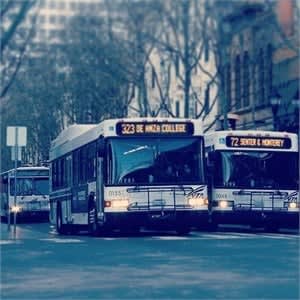
VTA can keep costs low by rebuilding the hybrid/diesel engines and refreshing the hybrid batteries using locally sourced and more affordable Prius batteries and its own mechanics. Photo: VTA
California's Santa Clara Valley Transportation Authority (VTA) is finding new, more efficient ways to maintain its fleet of buses and trains at the highest standards of service, according to the agency.
Close to a quarter of VTA’s bus fleet are Allison hybrid/diesel buses, which run on a combination of an electric motor and a diesel engine. This provides a more environmentally friendly output of emissions than traditional diesel engines. Electric-drive systems have fewer mechanical parts, which require less maintenance than traditional transmissions.
These 90 buses were purchased almost nine years ago and, as they approach mid-life, some components are approaching the end of their expected optimum-service life.
California's Santa Clara Valley Transportation Authority (VTA) is finding new, more efficient ways to maintain its fleet of buses and trains. Photo: VTA
Here’s where VTA is on the leading edge of equipment maintenance. Most transit agency mechanics do routine mechanical work but hire outside specialty mechanics to completely overhaul or replace major components such as transmissions, hybrid/diesel and standard diesel engines and Hybrid Energy Storage System (ESS). VTA mechanics are doing the highly skilled work of restoring the batteries, or “energy storage systems” (ESS), as they’re called, all in-house.
VTA mechanics have been doing something similar with light rail cars that are required to be overhauled after travelling a certain number of miles. The Kinkisharyo light rail cars require complex work to rebuild, with a limited number of experienced experts in the U.S. to do the work. VTA mechanics have the training and expertise to do the work in house, according to the agency.
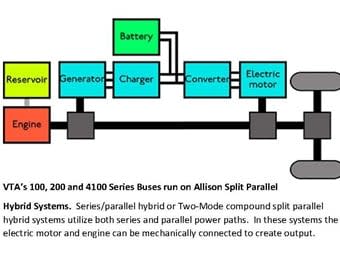
Image: VTA
VTA can keep costs low by rebuilding the hybrid/diesel engines and refreshing the hybrid batteries using locally sourced and more affordable Prius batteries and its own mechanics. The transit agency is taking a conservative approach to the project. By maintaining readiness of the buses through early resourcing, training and quarterly scheduled rebuilds, we ensure staff remains proficient and supplies and funding are available. As the batteries begin to degrade to 70% of their original capacity or show increased signs of degradation, we can kick the rebuild schedule into high gear.
Work on these batteries has already begun, and the entire fleet of hybrid/diesel will have their batteries restored as the need arises.
More Bus

New York MTA Plans Largest Bus Fleet Upgrade in More Than a Decade
The agency is seeking manufacturers for 650 new CNG buses to replace aging vehicles, improve reliability, and advance its broader fleet modernization strategy.
Read More →
Building a Flexible Path to Transit Electrification
John Hroncich discusses BAE Systems’ modular and scalable approach, lessons learned from decades of real-world operations, and how agencies can identify electrification strategies that fit their fleets.
Read More →
Bus Tech Talk: Keeping Transit Technicians Ahead of the Technology Curve
LA Metro’s Obed Mejia discusses technician training, evolving maintenance technology, fleet replacement, and strategies for getting the most out of today’s transit fleets.
Read More →
Biz Briefs: RIPTA Unveils New Frontrunners, Clevland RTA Adds New Siemens, and More
In METRO's latest installment, we take a look at recent news from Siemens, Prevost, Dodge, and more partnerships making headlines across the transportation sector.
Read More →
People Movement: Holly Arnold Joins Transdev and More
In this edition, we also cover recent appointments and announcements at Pace, CamTran, MCI, and more, showcasing the individuals helping to shape the future of transportation.
Read More →
The High Cost of Transit Buses: Industry Leaders Look to Procurement Reform
Transit leaders and policymakers examine how standardized bus designs, streamlined procurement, and predictable funding could help agencies stretch budgets and deliver better service.
Read More →
The Business Voice Behind Public Transportation
As chair of APTA’s Business Members Board of Governors, Ray Melleady explains how more than 850 business members are partnering with transit agencies to advance funding, innovation, and industry-wide collaboration.
Read More →
From Surviving to Thriving: Building Stronger Transportation Organizations
Bus Business Consultants founder Brian Dickson shares lessons on leadership, organizational health, and creating options for long-term success in a changing transportation industry.
Read More →
Finding the ‘Happy Medium’: Optimizing Maintenance Without Sacrificing Reliability
The key to maintenance optimization isn’t doing less work—it’s doing the right work at the right time on the right assets.
Read More →
LA Metro, City of West Hollywood, and Partners Advance Smarter Bus Lane Enforcement
The award-winning partnership combines AI-powered detection with human oversight to improve bus reliability, accessibility, and enforcement efficiency.
Read More →