



Obama proposes $3.2B for rail, streetcar, BRT projects
The projects, competitively funded through the FTA's Capital Investment Grant Program, would create thousands of construction and operations-related jobs and help communities expand transportation choices that offer new ladders of opportunity for residents.

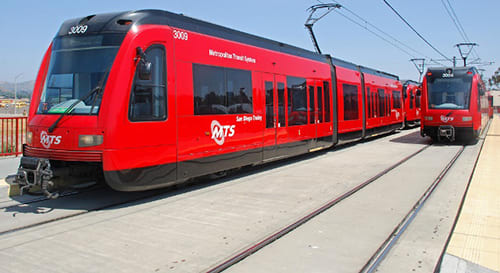
U.S. Transportation Secretary Anthony Foxx highlighted $3.2 billion recommended in President Obama’s Fiscal Year 2016 budget to advance the construction or completion of 25 rail, bus rapid transit (BRT) and streetcar projects in 13 states. These projects, competitively funded through the Federal Transit Administration’s (FTA) Capital Investment Grant Program (CIG), would create thousands of construction and operations-related jobs and help communities expand transportation choices that offer new ladders of opportunity for residents.
“President Obama has laid out a bold vision for investing in 21st century transportation infrastructure that provides millions of Americans improved access to employment, education and other vital services, while also supporting the nation’s growing economy,” said Foxx. “We are committed to ensuring that every American has access to the ladders of opportunity that lead to success — and public transportation is essential to making that happen.”
The president’s budget includes funding recommendations for 11 new transit projects that will connect thousands of residents in cities and communities across the country with jobs and other opportunities. The projects include:
The Cleveland Avenue Bus Rapid Transit (BRT) line in Columbus, Ohio, which will reduce overcrowding and shorten travel times on the Central Ohio Transit Authority’s second-busiest bus route and improve connections to downtown Columbus, employment, educational and health destinations for thousands of residents who live along the corridor.
The Mid-Coast Corridor Project in San Diego, Calif., which will extend light rail service to the northern community of University City, significantly improving access to educational institutions and the Veteran’s Administration Medical Center in north San Diego and connecting residents to existing light rail service in downtown San Diego.
The Provo-Orem BRT line in Utah County, which will provide more frequent, reliable bus service connecting the Brigham Young and Utah Valley university campuses to Provo and Orem, as well as employment centers within the corridor.
The recommendations also include ongoing funding for nine transit projects that have already received construction grant agreements from FTA and are under construction. The recommendation for each of these projects includes the scheduled annual payment outlined in the grant agreement, as well as an accelerated payment of an additional $15 million to speed project completion, potentially lower costs and help FTA better manage the growing pipeline of projects.
Five additional transit projects that were recommended in previous budgets for funding but have not yet received construction grant agreements are recommended again for FY2016 funding.
In addition to the 25 transit projects recommended for funding, the president’s budget proposal includes $320 million for Accelerated Project Delivery and Development — a new category of funding that would provide an opportunity for other projects in the pipeline to move forward if they become ready for a construction grant prior to the end of the fiscal year. At least $75 million of these funds would be reserved specifically to help small urban and rural communities implement new bus service with premium features.
The budget also reserves $351 million for the growing number of requests for Core Capacity improvements. These funds are available for fixed guideway projects in transit corridors that are already at or above capacity, or are expected to be within five years.
FTA’s Annual Report on Funding Recommendations for the FY2016 Capital Investment Grant Program, including links to individual project profiles, is available here.
More Management

Bringing Austin’s First Light Rail System to Life
Austin Transit Partnership CEO Greg Canally discusses the city's nearly 10-mile light rail project, its collaborative approach to project delivery, the importance of community engagement, and the milestones ahead as construction approaches in 2027.
Read More →
ETA CEO John Maglio on Transit Technology, Innovation, and Building Agency Trust
ETA founder and CEO John Maglio explores the evolution of transit technology, the importance of reliable systems, and how stronger partnerships can help agencies improve operations and the passenger experience.
Read More →
Metra Draft Plan Outlines Costs, Service Improvements for Regional Rail
The Systemwide Network Plan identifies infrastructure needs and potential investments to expand all-day, bidirectional rail service across the Chicago region.
Read More →
New Orleans RTA Names Augustine III as New CEO
In this edition, we also spotlight recent personnel moves at HDR, PATH, STV, and more, highlighting the people taking on new roles across the transportation industry.
Read More →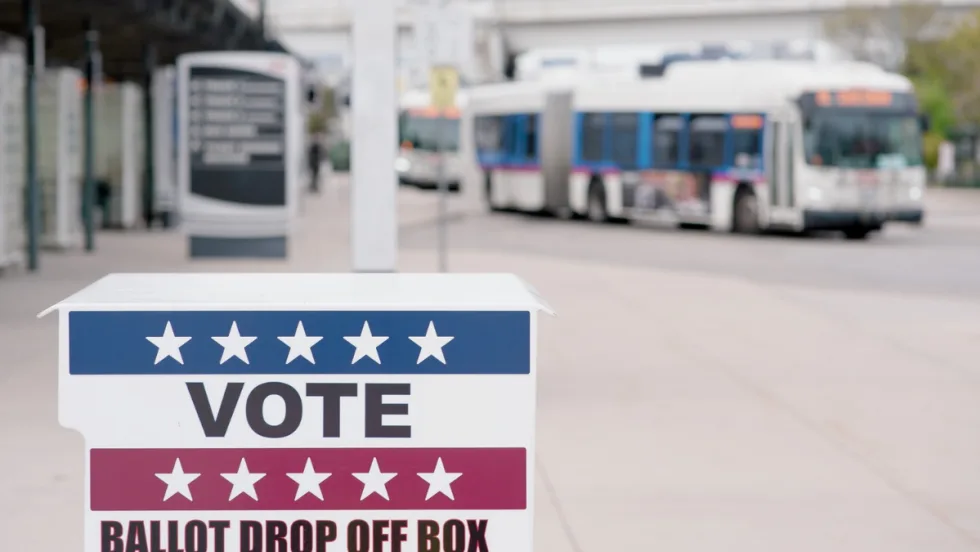
How Transit Agencies Are Using Free Rides to Improve Voting Access
Transit agencies are using fare-free service, trip-planning tools, and targeted rides to improve voting access. See what other agencies can learn from these efforts.
Read More →
Caltrain’s Electrification Drives a New Era of Ridership Growth
The railroad’s shift to electric service has brought more frequent trains, stronger customer satisfaction, and increased ridership, earning it APTA’s Outstanding Public Transportation System award.
Read More →
Chicago, Charlotte Transit Agencies Expand Rider Support Programs
CTA launched crisis intervention teams as CATS prepares to deploy fare ambassadors, expanding customer assistance and security efforts across both systems.
Read More →
New York MTA Launches Historic $1.9B Signal, Track Modernization Project
Funded in part by congestion pricing revenue, the project will replace nearly century-old signals along the A and C lines in Brooklyn and Queens.
Read More →
Brian Dickson on Building Stronger, More Resilient Transportation Organizations
Bus Business Consultants Founder Brian Dickson discusses the leadership principles, operational discipline, and strategic planning that separate transportation companies positioned for long-term success from those stuck in survival mode.
Read More →
LA Metro Breaks Ground on Vermont BRT Project
The 12.4-mile corridor is projected to serve 66,200 daily riders, reduce travel times by up to 24%, and create the nation's busiest bus rapid transit corridor.
Read More →