



Foxx bus tour to highlight need for infrastructure investment
The GROW AMERICA Express will visit communities that have created jobs and new opportunities by investing in transportation, as well as communities with transportation projects that are waiting on much needed funding.

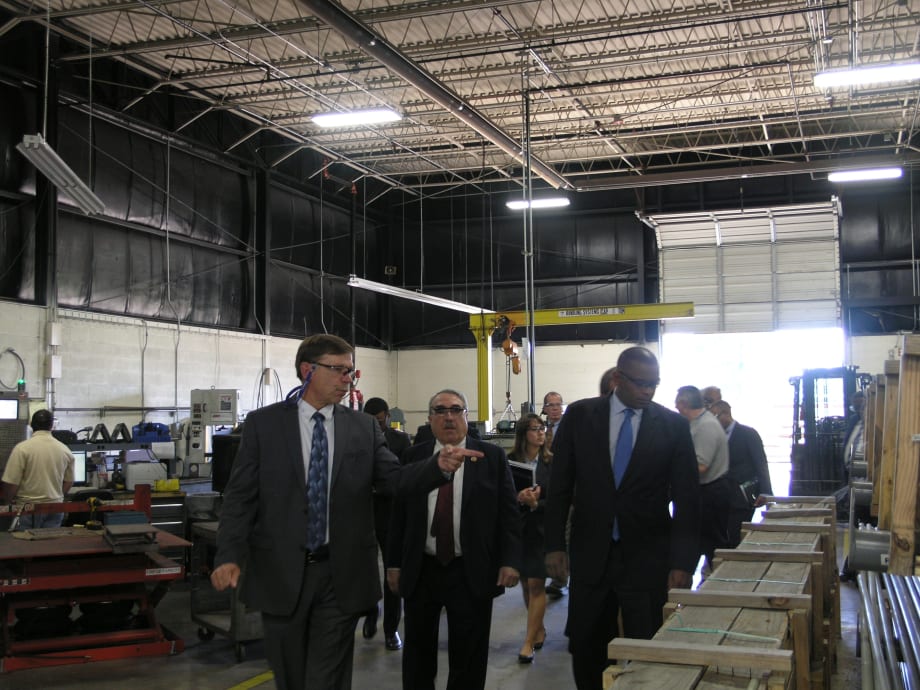
U.S. Transportation Secretary Anthony Foxx today will launch a four-day bus tour, beginning in Tallahassee, Fla., on Feb. 17, which will visit five states and the District of Columbia, to highlight the importance of investing in America’s infrastructure and to encourage Congress to act on a long-term transportation bill.
With the Highway Trust Fund once again nearing insolvency and federal funding for transportation projects set to expire at the end of May unless Congress acts — just at the start of the construction season — funding for projects across the country will be put at risk while other major initiatives will be delayed because of a lack of federal funding certainty.
The GROW AMERICA Express will visit communities that have created jobs and new opportunities by investing in transportation, as well as communities with transportation projects that are waiting on much needed funding. As he travels through five states — Florida, Georgia, South Carolina, North Carolina and Virginia — and ending at Union Station in Washington, D.C., Foxx will make the case for the Administration’s plan, the GROW AMERICA Act, a six-year transportation proposal that would put more Americans to work repairing and modernizing our roads, bridges, railways, ports and transit systems.
RELATED:Time Running Out for Funding A New Transportation Bill
“Congress continues to pass short-term measures with flat funding that falls short of meeting our country’s needs,” said Foxx. “I am once again taking my message directly to the American people because they know that Band-Aid funding measures don’t build bridges; they don’t create jobs; and they don’t help us compete in the 21st Century. We need to put our country back to work with a long-term funding plan.”
Foxx’s bus tour will include visits to universities, manufacturers, bridges, freight facilities and highway projects in an effort to raise awareness of America’s infrastructure deficit. Foxx will visit with students, business leaders, transportation stakeholders and community residents to discuss the projects that work, projects that are needed and to ask them to commit to standing up for a future with an American transportation system that is second-to-none.
To follow the trip’s progress, click here.
More Management
CATS Launches West Charlotte Microtransit Zone, Expands Transit Services
The new microtransit zone connects residents to key destinations as Charlotte Area Transit System rolls out the first phase of its 2055 Transit System Plan.
Read More →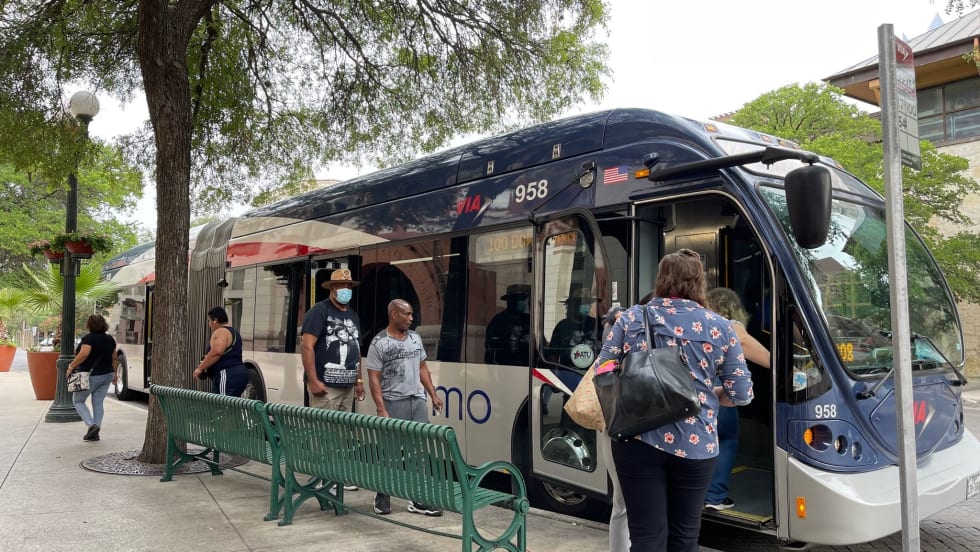
VIA Bus Ridership Grows 10.1% Through August 2026
San Antonio's VIA Metropolitan Transit reported the highest bus ridership growth among major Texas transit systems. Federal Transit Administration data ranked it second among the nation's 50 largest transit systems.
Read More →
CSA Group Releases Climate Resilience Standard for Transit, Passenger Rail
Developed with support from the Standards Council of Canada, CSA D700 guides assessing climate-related risks and planning adaptation measures for transit and passenger rail systems.
Read More →
ETA CEO John Maglio on Transit Technology, Innovation, and Building Agency Trust
ETA founder and CEO John Maglio explores the evolution of transit technology, the importance of reliable systems, and how stronger partnerships can help agencies improve operations and the passenger experience.
Read More →
COTA Launches First Customer Experience Action Plan to Improve Transit Service
The new plan outlines improvements to service reliability, accessibility, communication, and the overall rider experience across Central Ohio's transit system.
Read More →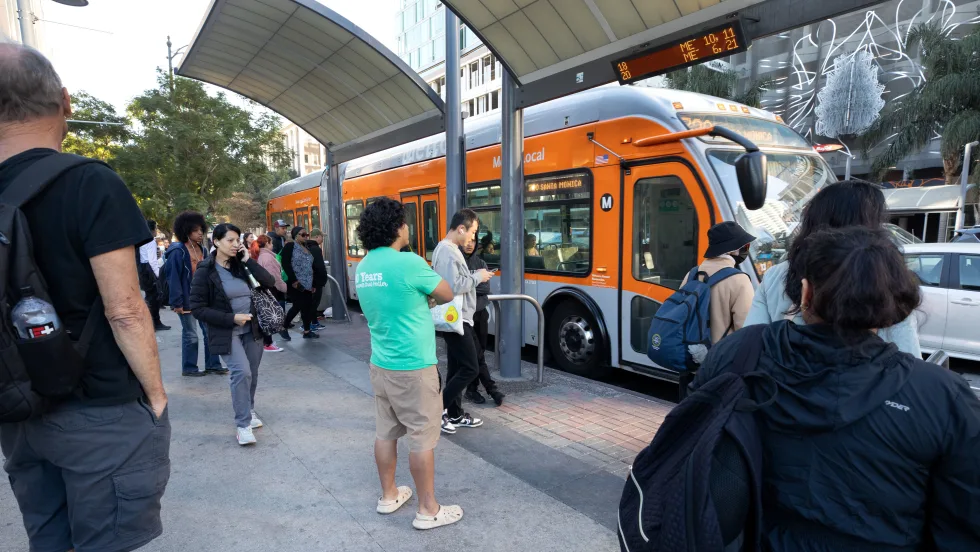
LA Metro September Ridership Climbs 3.9%, Led by Rail Growth
The agency recorded more than 27.2 million boardings, with rail ridership increasing 12.4% year over year and the D Line posting the largest gains.
Read More →
Utilimarc Launches SmartReplace to Optimize Fleet Replacement Decisions
AI-powered SmartReplace helps fleets prioritize vehicle replacements, model budget scenarios, and build more defensible long-term strategies.
Read More →
APTA Honors 2026 Award Winners, Hall of Fame Inductees at TRANSform & EXPO
Innovations in autonomous and zero-emission transportation, standout transit systems, and industry leadership took center stage among this year's honorees.
Read More →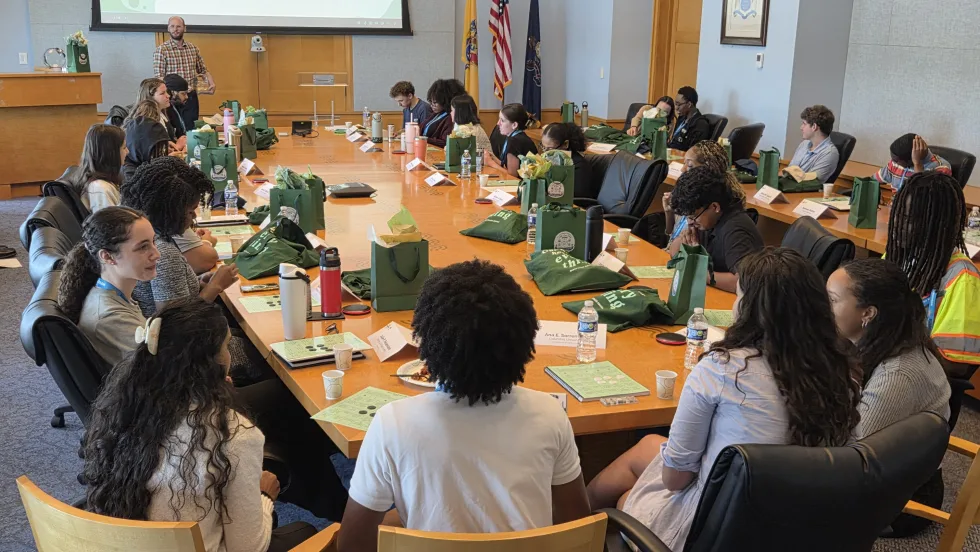
7 Ways to Build a Better Transit Internship Program
Lessons from DRPA/PATCO’s approach to creating a meaningful internship experience—and developing the next generation of transportation professionals.
Read More →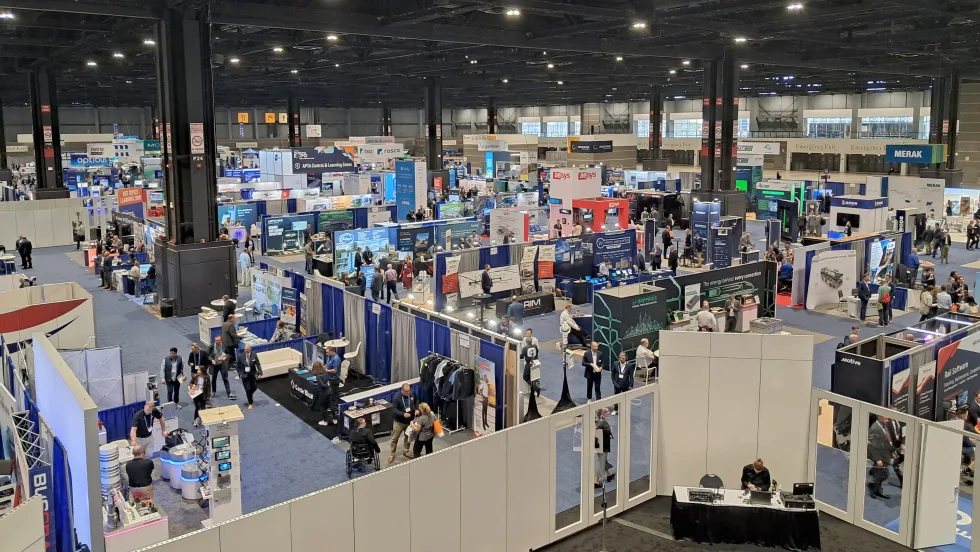
Scenes from APTA TRANSform & EXPO 2026
Transit leaders, manufacturers, and industry professionals gathered in Chicago to explore new technologies, share ideas, and discuss the future of public transportation.
Read More →