



FTA advances WMATA Metrorail safety oversight measures
Specifically, FTA will ensure and verify that WMATA implements the 78 corrective actions related to Metrorail as well as the more than 200 other corrective actions previously approved by the TOC, but still unfulfilled by WMATA, some dating as far back as 2008.

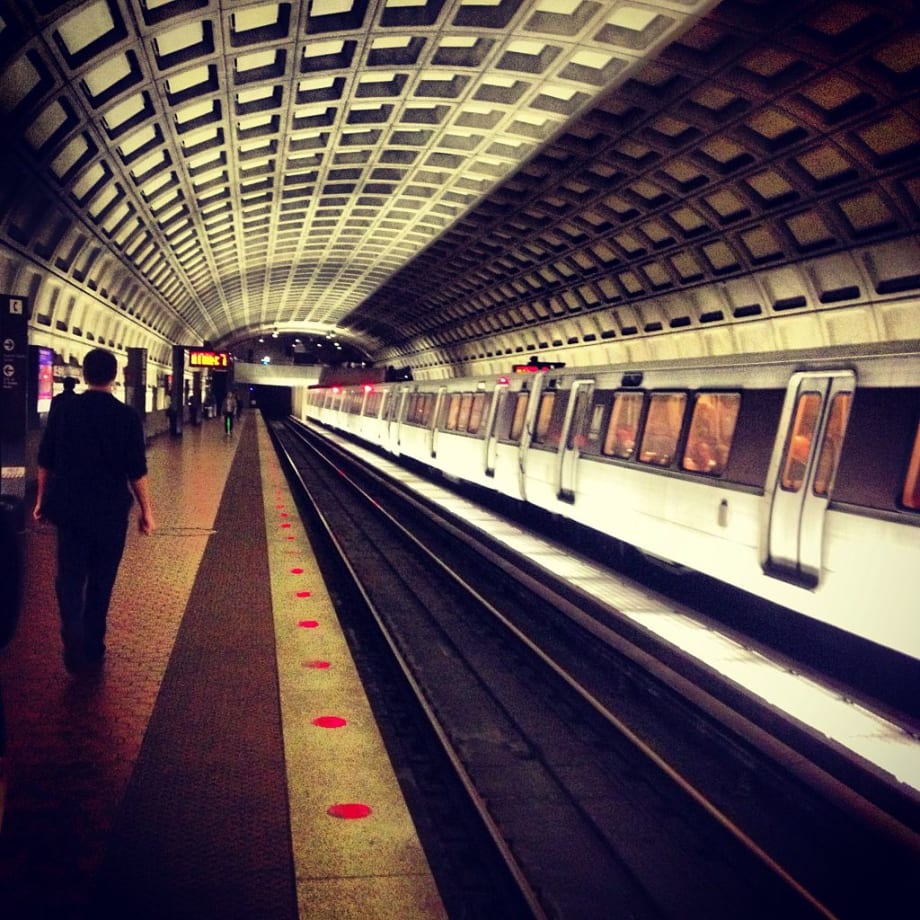
elipatwood
elipatwood
Monday, the Federal Transit Administration (FTA) issued a Safety Directive16-1 to the Tri-State Oversight Committee (TOC) and sent a letter to the Washington Metropolitan Area Transit Authority (WMATA) Board Chair Mortimer Downey and Interim GM Jack Requa detailing the new roles, responsibilities and reporting relationships between the organizations, signifying that this is no longer business as usual. These actions are part of FTA’s comprehensive plan for exercising direct safety oversight of the WMATA Metrorail system.
“We recognize the urgency of setting the transit system of our nation’s capital in much better shape,” said U.S. Transportation Secretary Anthony Foxx. “While we will work to direct Metro into a new era of safety, our actions do not remove the need for state and local leaders to govern and prove that they can successfully execute their charge to provide safe, reliable service.”
Under Safety Directive 16-1, FTA assumes lead responsibility from the TOC for safety oversight of Metrorail, realigns the work the TOC will continue to perform at FTA’s direction and identifies the activities for which FTA will be primary lead to achieve compliance with current federal law and regulations related to the rail transit State Safety Oversight Program.
Specifically, FTA will ensure and verify that WMATA implements the 78 corrective actions related to Metrorail arising from Safety Directive 15-1 issued by FTA in June 2015 as well as the more than 200 other corrective actions previously approved by the TOC, but still unfulfilled by WMATA, some dating as far back as 2008.
Additionally, FTA will conduct on-the-ground inspections of WMATA, lead accident investigations as warranted and work to close out more than 100 open accident investigation reports. FTA’s role is temporary and will continue only until Virginia, Maryland and the District of Columbia set up a new State Safety Oversight Agency that is fully functioning.
“This is the strictest level of federal safety oversight ever placed on a rail transit agency,” said FTA Acting Administrator Therese McMillan. “Our goals are to improve Metrorail safety, direct the TOC oversight activities and assist regional leadership as they establish a new, stronger and more effective State Safety Oversight Agency to replace the TOC.”
In the letter to Mortimer and Requa, McMillan wrote that FTA will exercise its authority to direct the use of federal funds received by WMATA to ensure that federal dollars are invested first and foremost to correct Metrorail safety deficiencies. For FY 2015, WMATA received about $440 million in federal financial assistance.
To carry out its enhanced safety oversight responsibilities, FTA has designated one of its own well-qualified safety professionals as the director for WMATA Safety Oversight and is assembling a robust team of multidisciplinary staff from its Office of Transit Safety and Oversight, inspectors, and investigators from other DOT agencies and experienced consultants. To fund these activities FTA is using its own agency resources and will direct the use of federal State Safety Oversight program grant funding distributed to the TOC.
FTA oversight will help address the identified WMATA Metrorail safety issues. However, Secretary Foxx has emphasized that WMATA must have strong and consistent leadership combined with a strong safety culture throughout its organization.
“The WMATA board of directors must immediately hire a capable GM who is able to correct the agency’s course,” Foxx said. “The urgency of having accountable leadership at the helm of WMATA cannot be overstated.”
More Management

METRO Opens Submissions for 2026 Motorcoach Awards
Nominations are now being accepted for METRO Magazine’s Operator of the Year and Innovative Operator of the Year awards.
Read More →
New York MTA Advances Final Contract for Second Avenue Subway Expansion
Contract Four is the largest in the Second Avenue Subway Phase 2 project and includes construction of station infrastructure, tracks, and signals for the subway expansion, MTA officials said. Work on Contract Four will begin in 2027.
Read More →
Transit Agencies Highlight Safety Gains at National Summit
Leaders from 15 major transit systems shared crime-reduction results and safety initiatives while discussing the role of continued federal support.
Read More →

NITA Names New Leadership, Expands Reduced-Fare Program at First Board Meeting
The new regional transit authority appointed its first board chair and interim executive director while extending reduced fares across CTA, Metra, and Pace for eligible riders.
Read More →
Beyond the Checklist: A Structured Approach to Transit Maintenance
Reliability-Centered Maintenance helps transit agencies move beyond routine checklists to focus limited resources on the assets and failures that have the greatest impact on safety, reliability, and service.
Read More →
APTA 2026 Nominating Committee Selects Leadership Slate, Names Chair and Vice Chair Nominees
Leadership changes will help shape the association’s priorities and its representation of the transportation industry during the 2026–2027 term.
Read More →
DART Launches Major Security, Fare Enforcement Initiative
The 90-day demonstration will deploy coordinated security teams at five light rail stations while testing controlled access and gathering data to guide future investments.
Read More →
Advancing Fare Collection Through Technology and Innovation
Learn about delivering 1300 gates at 91 stations while managing fare evasion. Explore the large scale deployment, solution customization and real-world results that affect the region. Prepare for deployment in your region now.
Read More →
Game Day in Motion: Moving Millions During the 2026 World Cup
Between packed transit stations and team motorcoaches, see how agencies and operators across North America tackled the transportation demands of the 2026 FIFA World Cup.
Read More →
Surface Transportation Extension Averts Shutdown, Leaves Transit Funding Gap
The stopgap keeps federal transportation programs moving, but missing advance funding could complicate the transit and rail projects agencies are planning next.
Read More →