



Senate agrees to 1-yr. ban on transit railcar, bus procurements from Chinese-owned cos.
The Senate prohibition only applies to rolling stock (rail cars and buses), not any other kind of procurement.
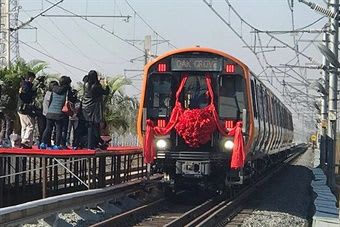
During a October 2017 media event, dignitaries took a ride on one of the four pilot cars to be sent to Boston for testing. Photo: CRRC
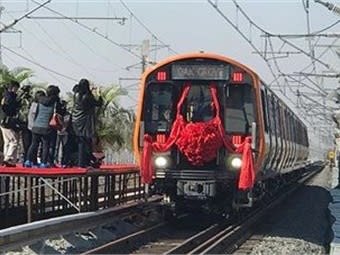
During a October 2017 media event, dignitaries took a ride on one of the four pilot cars to be sent to Boston for testing. Photo: CRRC
(originally posted August 1, 2018 on Eno Center for Transportation)
The U.S. Senate agreed to a one-year ban on any new procurements of mass transit railcars or buses from companies owned or subsidized by the government of the People’s Republic of China, if the procurement uses any Federal Transit Administration formula or bus funding.
A modified version of an amendment by Sen. John Cornyn (R-TX) was adopted by voice vote as part of a bipartisan “manager’s package” of 40-odd amendments to the four-bill “minibus” appropriations measure for fiscal 2019 (H.R. 6147), which includes the annual Transportation-HUD appropriations bill.
The Senate language is a more refined and precise version of language that is already included in the version of the legislation reported in the House of Representatives (H.R. 6072). Section 165 of the House bill prevents any fiscal 2019 FTA funding from being used to procure any rail or transit asset from an entity owned, directed, or subsidized by a country that is not spelled out by name in the section but is clearly the People’s Republic of China. For the full article, click here.
More Management
VIA, MBTA Reach Pre-Pandemic Ridership Milestones as Transit Use Climbs
VIA surpasses three million monthly trips for the first time since 2020, while the MBTA tops one million average weekday trips as both agencies report continued ridership growth.

People Movement: Metrolink's Kettle Announces Retirement, Feakins to CEO at UZURV, and More
In this edition, we also cover recent appointments and announcements at King County Metro, SilverRide, and more, showcasing the individuals helping to shape the future of transportation.
How Gen Z's Changing Mobility Habits Are Reshaping Public Transit
As younger generations embrace multimodal mobility over private vehicles, transit agencies can rethink station design, the passenger experience, and public transportation's role in building connected communities.
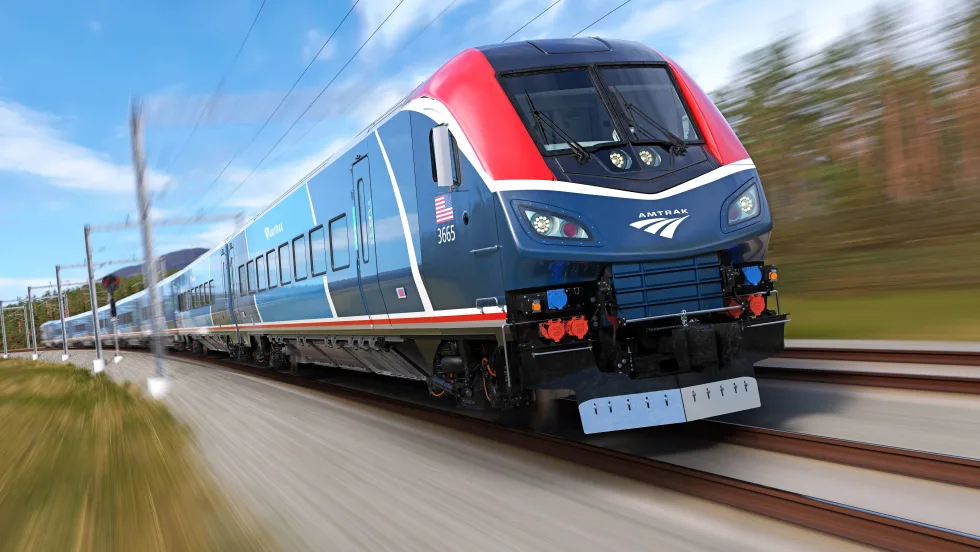
Amtrak Expands Airo Fleet with Eight Higher-Capacity Trainsets
The new 10-car trains, expected to enter service in 2031, will provide about 34% more seating capacity to meet growing demand on the Northeast Corridor.
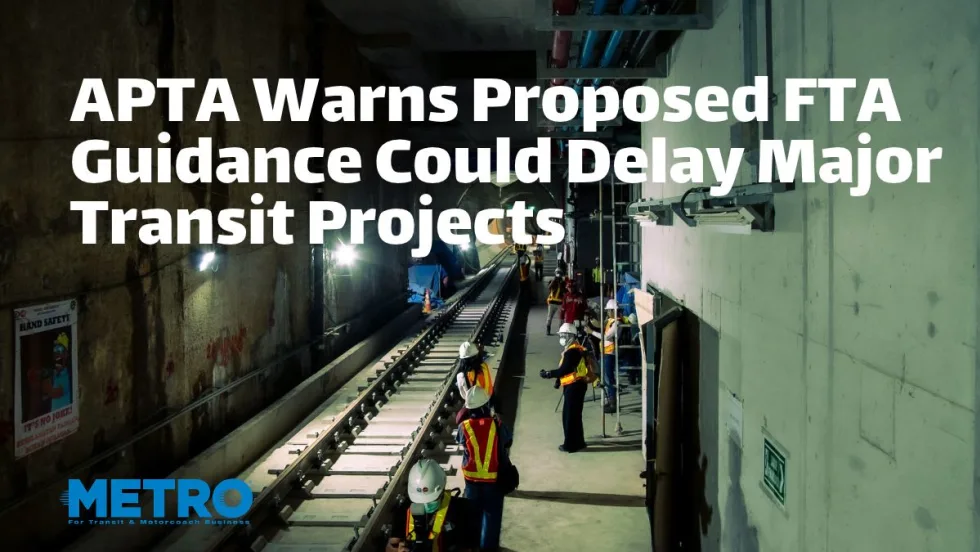
APTA Urges FTA to Withdraw Proposed Capital Investment Grants Guidance
The association warns that proposed changes could delay transit projects, reduce federal funding, and create new hurdles for 47 projects currently in the CIG pipeline.
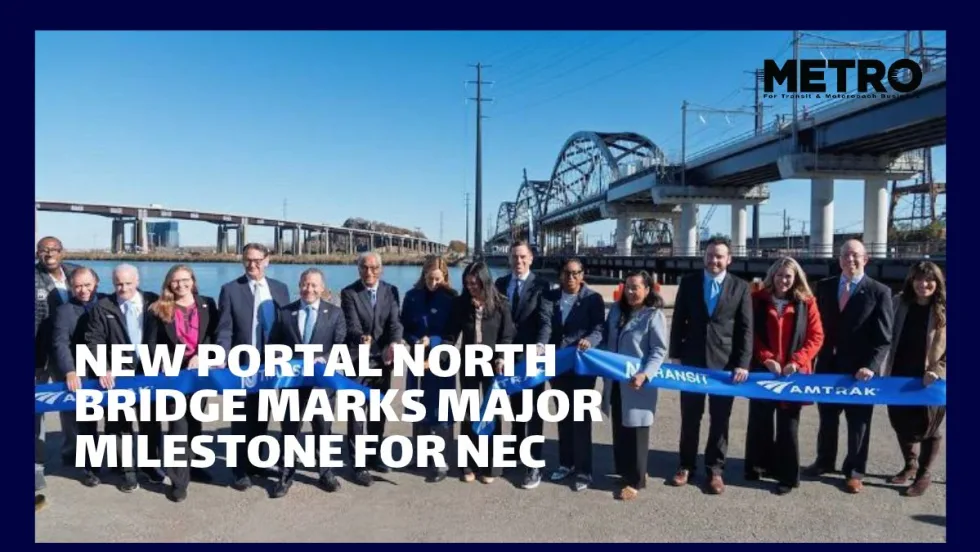
Amtrak, NJ TRANSIT Launch Full Service on New Portal North Bridge
The completion of the two-track bridge over the Hackensack River eliminates a longstanding source of delays for NJ TRANSIT and Amtrak customers. It marks a major milestone for the Gateway Program.
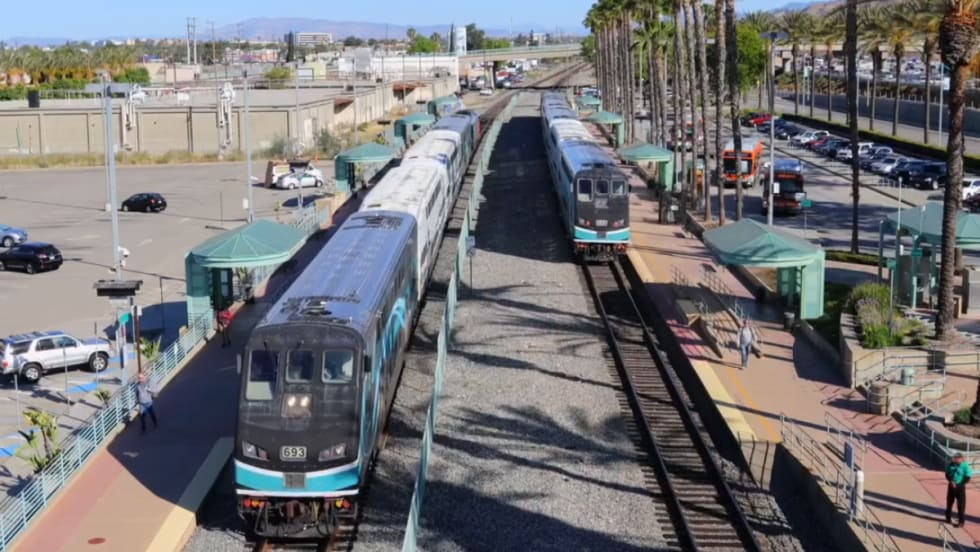
Southern California’s Metrolink Approves $508.8M Budget, Avoids Service Cuts
A $20 million state allocation allows the regional rail agency to maintain existing weekday and weekend service through fiscal year 2028, although longer-term funding challenges remain.
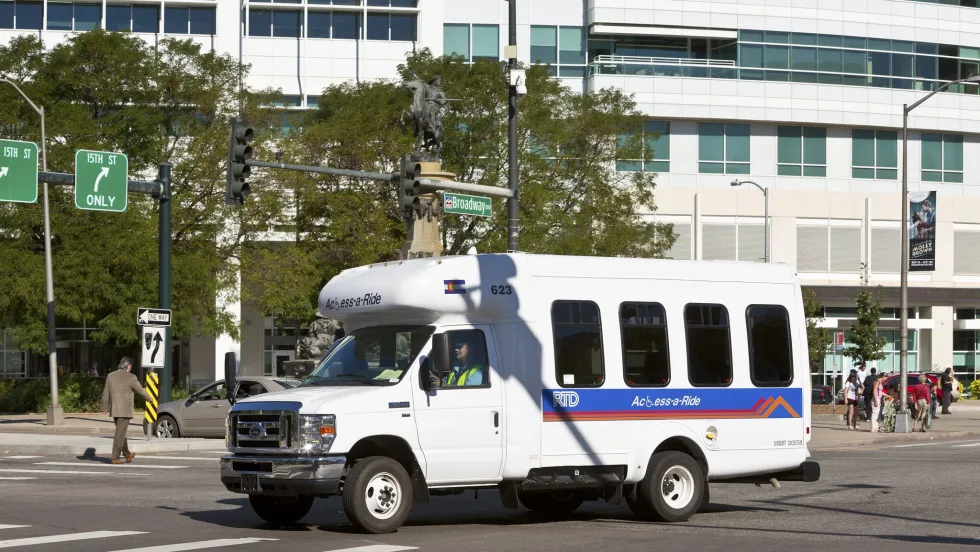
Denver RTD Committee to Review Paratransit Services, Improve Accessibility
The committee will oversee an independent study of paratransit operations, gather customer feedback, and recommend improvements to service reliability, accessibility, and accountability.
Castro to Lead RTC of Southern Nevada and More in People Movement
In this edition, we also cover recent appointments and announcements at the STV, MCI, and more, showcasing the individuals helping to shape the future of transportation.
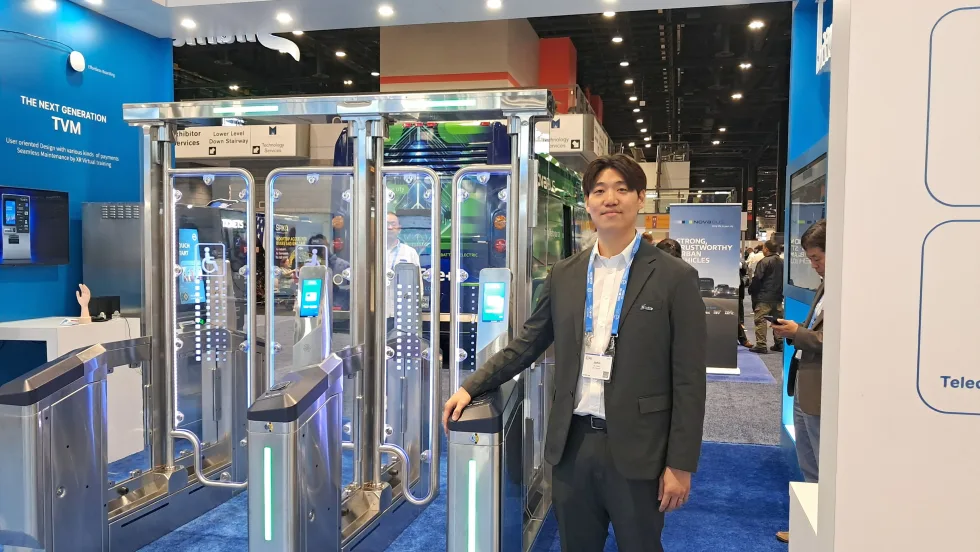
STraffic Expands North American Presence with Fare Collection Technology
John Moon, Associate Director, Product Strategy at STraffic, discusses the company's growth in North America, its efforts to reduce fare evasion, and more.