



U.S. DOT provides $63B-plus for transportation improvements in 2018
Has released Notices of Funding Opportunity for nearly 90% of the funding from FY 2018 to solicit applications.

By the end of the 2018 fiscal year (FY 2018), the U.S. Department of Transportation (U.S. DOT) made available more than $63.9 billion in FY 2018 multimodal discretionary and formula transportation investments and $1.6 billion in FY 2017 discretionary funds, according to the department.
The U.S. DOT says it is committed to revitalizing America’s infrastructure using federal dollars as seed money to encourage additional infrastructure investment by states, localities and private sector partners. By utilizing significantly increased levels of appropriations from Congress in the March 2018 omnibus funding bill, the department says more investment is reaching areas and projects with the greatest impact.
Additionally, historic investment through the U.S. DOT’s programs in FY 2018 has begun to address the long-awaited infrastructure needs of rural communities, streamlined project delivery, and invested in transformative projects that benefit all Americans.
The department has released Notices of Funding Opportunity (NOFOs) for nearly 90% of the funding from FY 2018 to solicit applications, and many have been closed or awarded. Overall, the U.S. DOT has made an unprecedented infrastructure investment in America by making available more than $65.5 billion for key projects this year.
In just six months, the U.S. DOT has:
Distributed the entire $56.2 billion in formula funds from FY 2018.
Announced $7.8 billion in discretionary grant availability from FY 2018.
Awarded $5.8 billion in FY 2017 and FY 2018 discretionary grants to specific recipients.
Major grant programs including Infrastructure for Rebuilding America (INFRA), Better Utilizing Investments to Leverage Development (BUILD, (formerly Transportation Infrastructure Generating Economic Recovery, or TIGER)), and the Airport Improvement Program (AIP) are examples of U.S. DOT programs fulfilling these objectives.
Highlights include:
BUILD Transportation Discretionary Grant Program
In April 2018, the U.S. DOT published a NOFO allowing applicants to apply for $1.5 billion in discretionary grant funding with a due date of July 18, 2018. This triples past funding provided for this flexible grant program focused on innovative projects that have significant local or regional impact.
FY 2018 BUILD Transportation grants are for investments in surface transportation infrastructure and will be awarded on a competitive basis to projects with significant local or regional impact.
Infrastructure for Rebuilding America (INFRA) Program
In June 2018, the U.S. DOT announced over $1.5 billion in proposed grants through INFRA discretionary grant program. These proposed awards are from a NOFO that combined both fiscal years 2017 and 2018.
These proposed awards will leverage an estimated $6.1 billion in additional funds from state, local, and other funding sources. Together, an estimated investment of over $7.6 billion will be spent on transportation infrastructure.
INFRA grants will support the Administration’s commitment to fixing the nation’s crumbling infrastructure by creating opportunities for all levels of government and the private sector to fund infrastructure, using innovative approaches to improve the necessary processes for building significant projects, and increasing accountability for the projects that are built.
Transit
In April 2018, the Federal Transit Administration (FTA) announced approximately $264 million in project selections to improve the safety and reliability of America’s bus systems and enhance mobility for transit riders across the country. A total of 139 projects in 52 states and territories will receive funding from FTA’s Buses and Bus Facilities Infrastructure Investment Program.
In June 2018, the FTA announced a NOFO soliciting applications under the Buses and Bus Facilities Infrastructure Investment Program for $366 million. Grant awards were made on Sept. 25, 2018. The funds assist in the financing of buses and bus facilities capital projects, including replacing, rehabilitating, purchasing, or leasing buses or related equipment, and rehabilitating, purchasing, constructing, or leasing bus-related facilities.
Small Starts Grant Agreements
$56.2 million Laker Line BRT in Grand Rapids, Mich. (February 9, 2018).
$16.9 million East Corridor First Coast Flyer BRT in Jacksonville, Fla. (March 7, 2018).
$22.5 million for SMART commuter rail extension in San Rafael, Calif. (April 9, 2018).
$43 million for Swift II BRT in Everett, Wash. (April 9, 2018).
$29.9 million for Prospect MAX BRT in Kansas City, Mo. (April 9, 2018).
$75 million for IndyGo BRT in Indianapolis (May 15, 2018).
$75 million for Tacoma Link in Tacoma, Wash. (May 15, 2018).
$75 million for Bus Rapid Transit in Albuquerque (August 29, 2018).
Rail
The Federal Railroad Administration (FRA) has issued NOFOs under the Consolidated Rail Infrastructure and Safety Improvements program totaling $568 million, of which $203 million for grants to support the implementation of Positive Train Control were awarded on August 24, 2018. There is a further $343 million available for safety and infrastructure improvements.
More Management
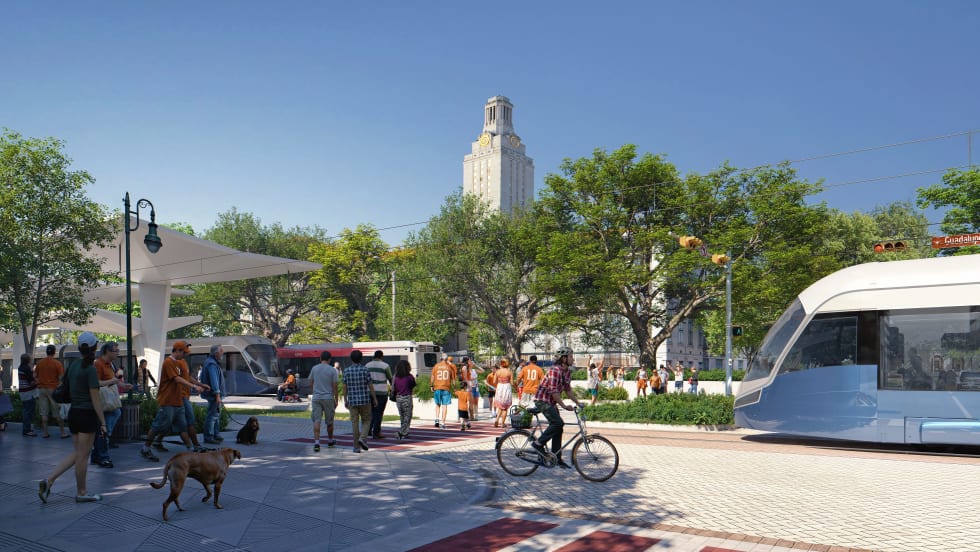
Bringing Austin’s First Light Rail System to Life
Austin Transit Partnership CEO Greg Canally discusses the city's nearly 10-mile light rail project, its collaborative approach to project delivery, the importance of community engagement, and the milestones ahead as construction approaches in 2027.
Read More →
ETA CEO John Maglio on Transit Technology, Innovation, and Building Agency Trust
ETA founder and CEO John Maglio explores the evolution of transit technology, the importance of reliable systems, and how stronger partnerships can help agencies improve operations and the passenger experience.
Read More →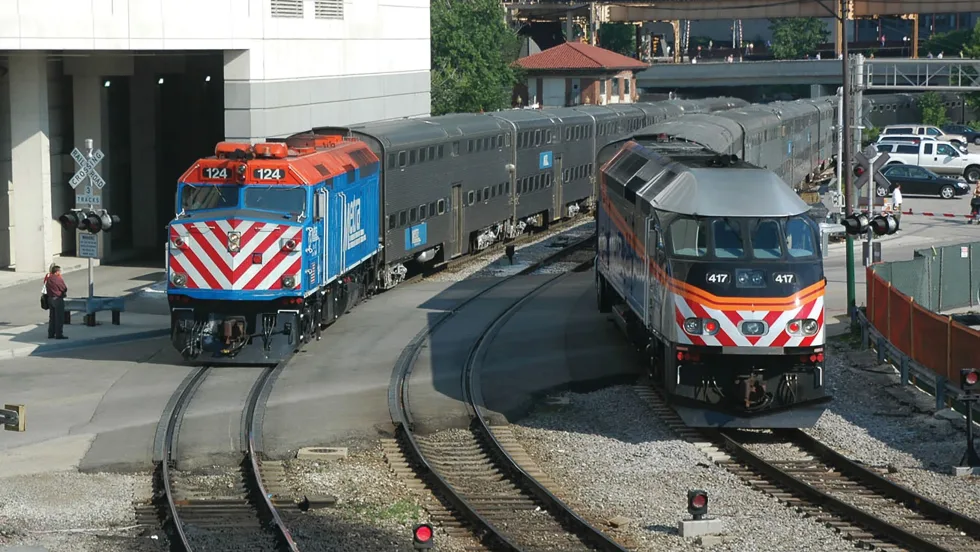
Metra Draft Plan Outlines Costs, Service Improvements for Regional Rail
The Systemwide Network Plan identifies infrastructure needs and potential investments to expand all-day, bidirectional rail service across the Chicago region.
Read More →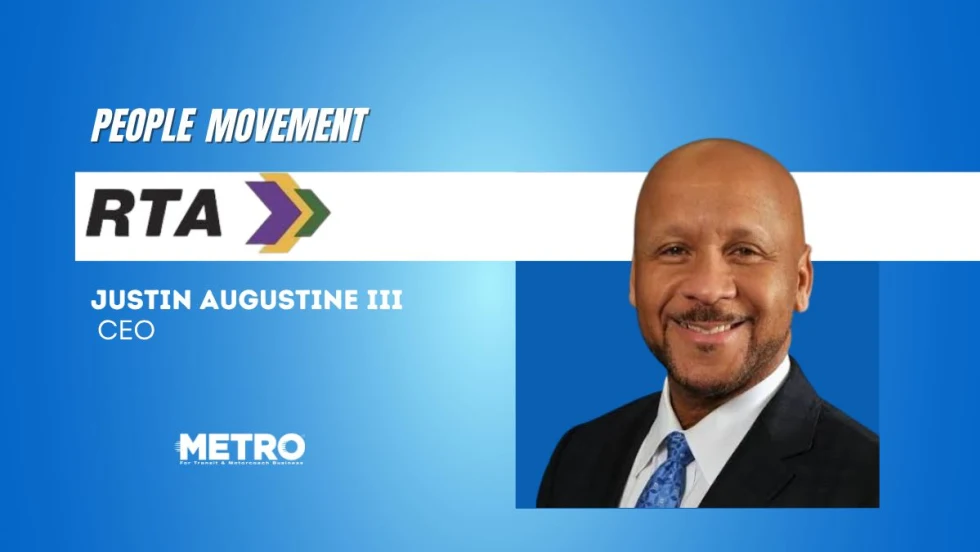
New Orleans RTA Names Augustine III as New CEO
In this edition, we also spotlight recent personnel moves at HDR, PATH, STV, and more, highlighting the people taking on new roles across the transportation industry.
Read More →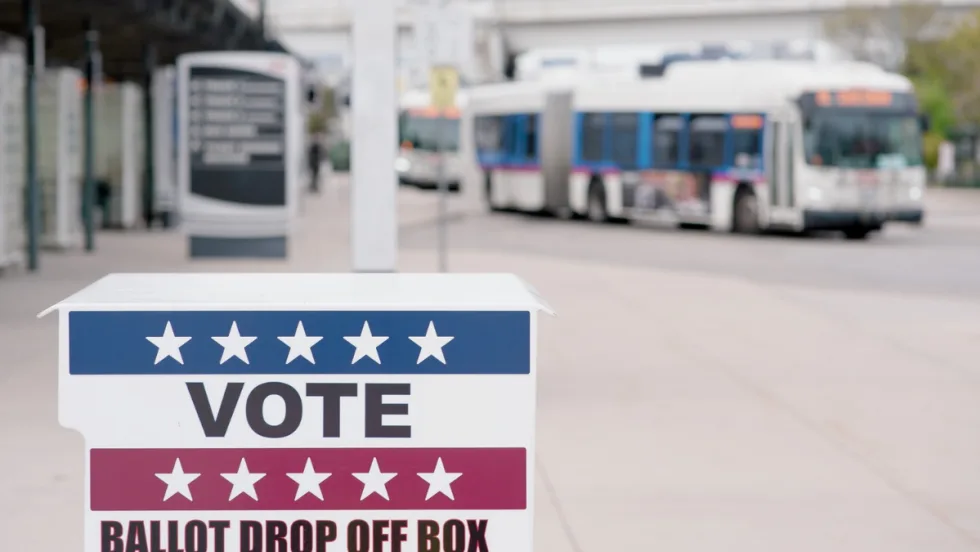
How Transit Agencies Are Using Free Rides to Improve Voting Access
Transit agencies are using fare-free service, trip-planning tools, and targeted rides to improve voting access. See what other agencies can learn from these efforts.
Read More →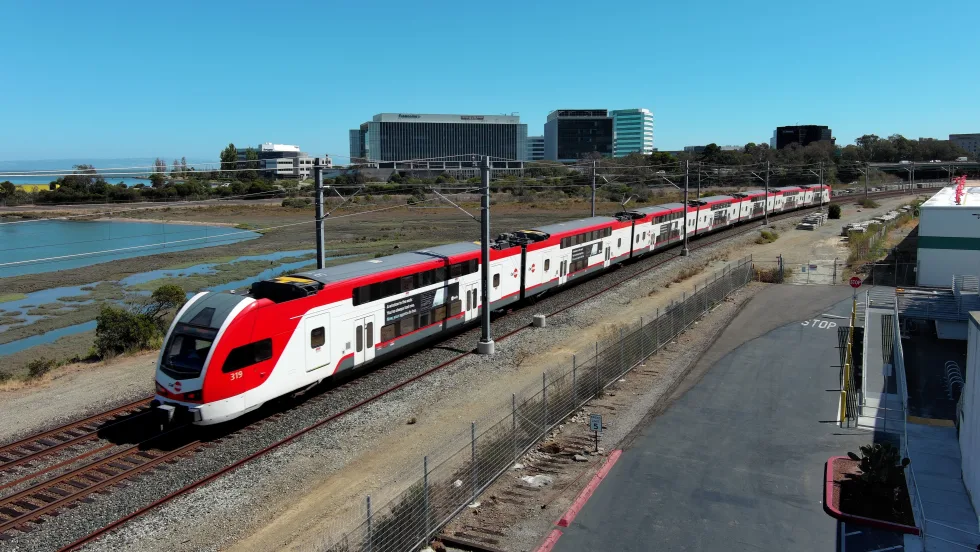
Caltrain’s Electrification Drives a New Era of Ridership Growth
The railroad’s shift to electric service has brought more frequent trains, stronger customer satisfaction, and increased ridership, earning it APTA’s Outstanding Public Transportation System award.
Read More →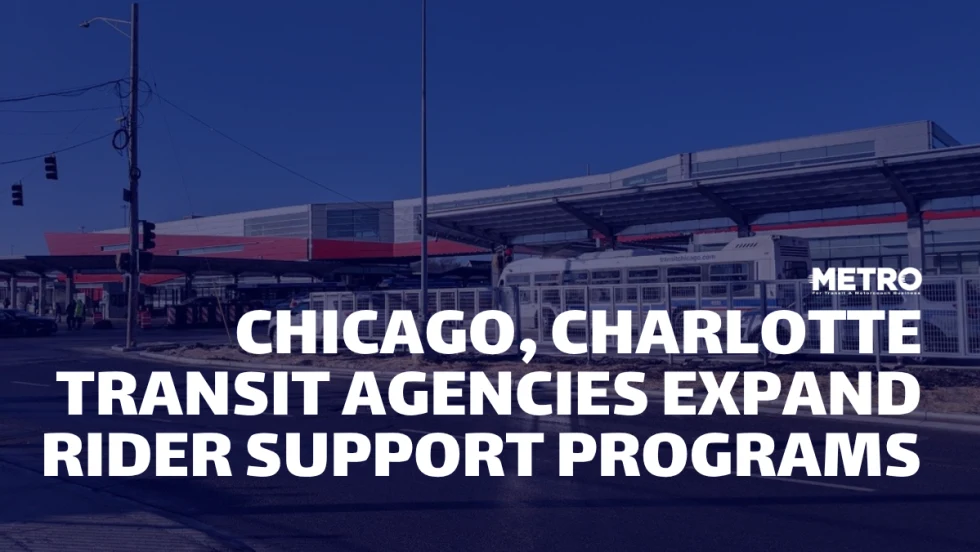
Chicago, Charlotte Transit Agencies Expand Rider Support Programs
CTA launched crisis intervention teams as CATS prepares to deploy fare ambassadors, expanding customer assistance and security efforts across both systems.
Read More →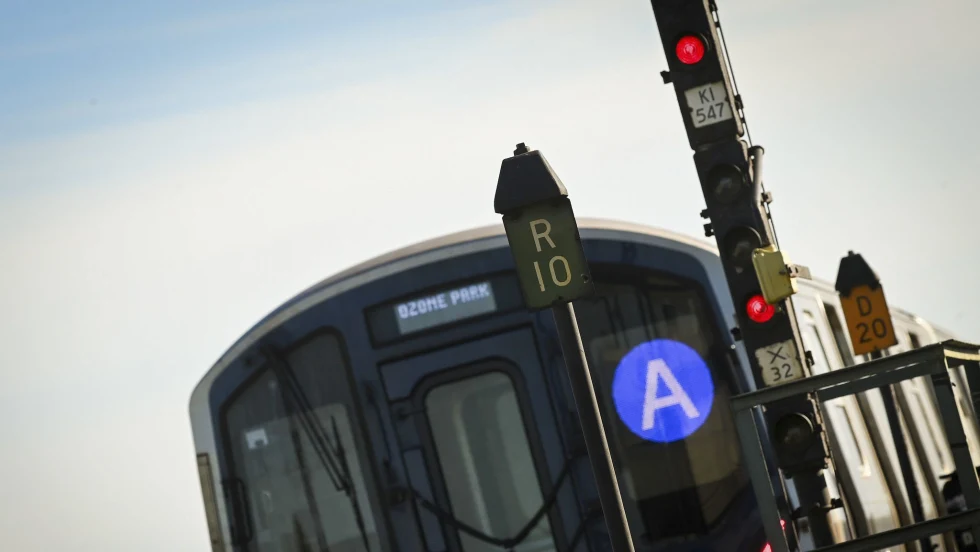
New York MTA Launches Historic $1.9B Signal, Track Modernization Project
Funded in part by congestion pricing revenue, the project will replace nearly century-old signals along the A and C lines in Brooklyn and Queens.
Read More →
Brian Dickson on Building Stronger, More Resilient Transportation Organizations
Bus Business Consultants Founder Brian Dickson discusses the leadership principles, operational discipline, and strategic planning that separate transportation companies positioned for long-term success from those stuck in survival mode.
Read More →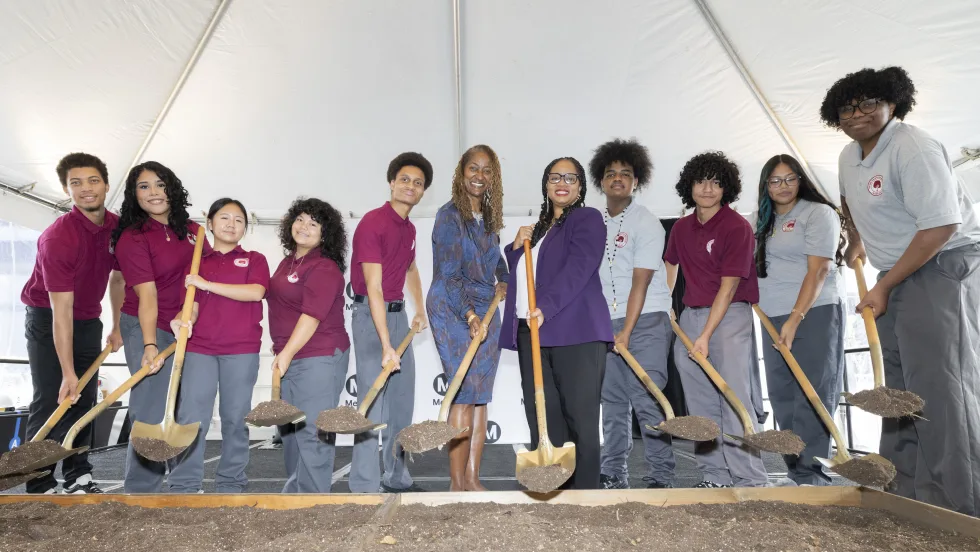
LA Metro Breaks Ground on Vermont BRT Project
The 12.4-mile corridor is projected to serve 66,200 daily riders, reduce travel times by up to 24%, and create the nation's busiest bus rapid transit corridor.
Read More →