



California mandates fleets to operate zero-emission buses by 2040
The mandate also calls for agencies to use this transition to invest in workforce development training programs.

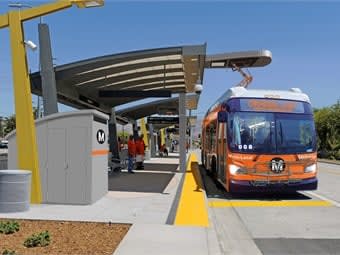
Overall, the early response from California transit agencies was positive, especially with many including LA Metro already making the move to zero-emission buses. Photo: New Flyer

The California Air Resources Board voted to mandate that all transit agencies in California operate 100% zero-emission transit buses by 2040, and to use this transition to invest in workforce development training programs in manufacturing, infrastructure installation, and maintenance.
Overall, the early response from California transit agencies was positive, especially with many including LA Metro already making the move to zero-emission buses.
“We are already ahead of the curve,” LA Metro Spokesman Rick Jager told METRO Magazine. “Earlier this year Metro’s Board of Directors committed the agency to convert its entire bus fleet from natural gas to all zero-emission buses by 2030. Metro plans to have zero-emission electric buses operating on the Metro Orange and Silver Lines in the next two years. Toward this end, Metro has already purchased nearly 100 all-electric buses.”
“Our Board of Directors recently adopted a goal to go 100% zero-emissions with our fleet by 2030,” added Jerry Estrada, GM for the Santa Barbara Metropolitan Transit District. “While we know this will present many challenges, we plan to outpace the CARB mandate. We are extremely lucky to have operated battery-electric buses for the past 27 years, so we have seen the ups and downs of the industry, and we have lived them.”
Likewise, response from bus suppliers was also positive.
“We stand ready to deliver and make the transition to zero emission buses a reality,” said BYD President Stella Li in a statement. “Our Lancaster facility has the capacity to produce 1500 buses and we have partnered with Generate Capital to make a leasing program available to accelerate this transition. We also provide solar and storage products that can help customers charge their new buses. We are excited to work with leaders across the state to transition their fleets.”
According to the LA Times, transit agencies are worried about cost and reliability of the technology because it is in its early stages of commercial use. There are about 130 zero-emission buses in operation in the state, officials say, and 650 more are planned to hit the road in near future, the LA Times reported.
To that end, transit agencies are hopeful that the evolution will be smooth.
“We are hopeful that as time goes by and CARB tracks the progress of ZEB manufacturers, utility support, and industry readiness, California transit operators will successfully start to transition to a reliable suite of fleet options,” Estrada said.
The rule, which includes language calling for good jobs and resolving to develop further workforce policies, was passed after years of advocacy from a broad coalition of labor, environmental, and economic justice organizations, including the Sierra Club, Earthjustice, Union of Concerned Scientists, American Lung Association, BlueGreen Alliance, Coalition for Clean Air, Jobs to Move America, CWA District 9, the International Brotherhood of Electrical Workers (IBEW) Local 11, IBEW Local 569, and IBEW LMCC.
“The passing of this rule is a huge win for many in our communities who, despite working hard for years, have been unable to benefit from the Silicon Valley tech boom and infrastructure investment,” said Jobs to Move America Senior Policy Coordinator Abhilasha Bhola. “Not only will this rule reduce greenhouse-gas emissions, it has, the potential to create and support tens of thousands of jobs in our state.”
According to research from the University of Massachusetts-Amherst, if all of the buses purchased under this mandate were built in the U.S., this mandate could support up to 41,380 U.S. jobs. With policies such as the U.S. Employment Plan, California transit agencies will be able to incentivize bus companies to hire local workers as they transition to zero-emission fleets. Such policies can also ensure historically excluded populations, including women and communities of color, have access to these jobs.
More Management

EPA Proposal to Ease Diesel Emissions Compliance Could Improve Reliability for Motorcoach Operators
The EPA is proposing to remove DEF-related engine derates for new heavy-duty diesel vehicles, a change bus operators say would improve safety and reliability while sparking debate over the future of emissions enforcement.
Read More →
Act Now to Join Rays the Mark Foundation's Annual Golf Tournament, Fundraiser
This year's tournament honors Emily DeVito, a member of the public transportation family whose story has moved colleagues across the industry — and with only a few foursomes remaining, organizers are encouraging companies and individuals to register soon.
Read More →
RIPTA Celebrates 60 Years of Public Transit Service
The Rhode Island agency is marking the milestone by highlighting service improvements, mobility initiatives, and its vision for the future of transit.
Read More →
New York Unveils Sweeping Plan to Modernize City Bus Service
Next Stop: Fast Buses, Better Service identifies 50 priority bus corridors for improvements across the five boroughs and launches the City’s next generation of rapid bus service along five key routes.
Read More →
San Antonio's VIA Launches Second Year of Data Fellowship Program
The partnership gives Better Futures Scholars hands-on experience with real-world challenges while providing VIA with additional analytical capacity to support key agency priorities.
Read More →
CTDOT Taps STV for Electric Bus Facility Design
The firm will work with CTDOT and RVT to define the facility layout, operational requirements, and long-term flexibility for RVT’s growing electric fleet.
Read More →
USDOT Awards $170M for Transit Projects in Latest BUILD Grants
Federal funding will support maintenance facility upgrades and other projects aimed at improving transit safety and reliability across the U.S.
Read More →
Keolis and SNCF Voyageurs Bring Rail Expertise to California High-Speed Rail
The CDA establishes a collaborative predevelopment partnership intended to evaluate future delivery opportunities through public-private partnership models.
Read More →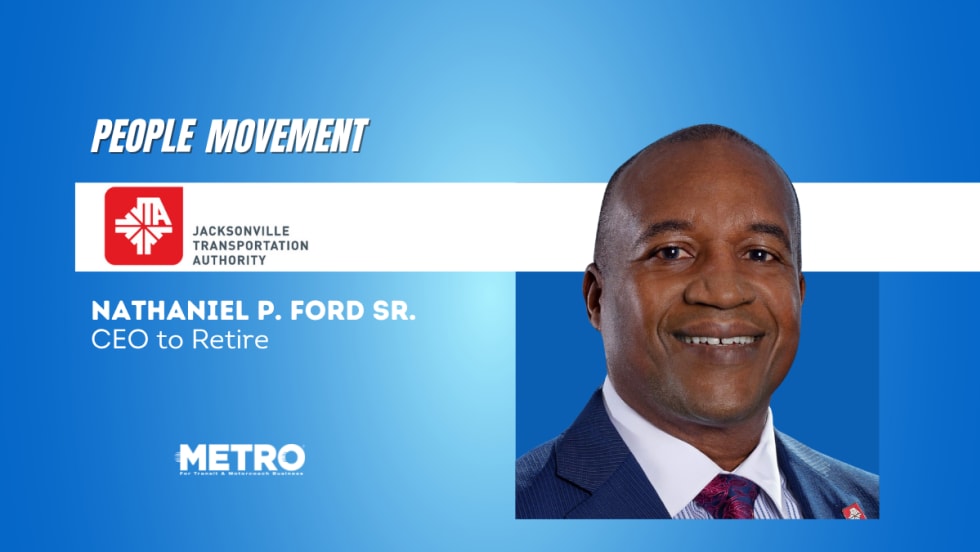
Ford to Leave JTA After More Than 10 Years as CEO
He plans to continue his work advancing innovative mobility solutions to improve the quality of life in communities across the nation. He did not announce specific plans.
Read More →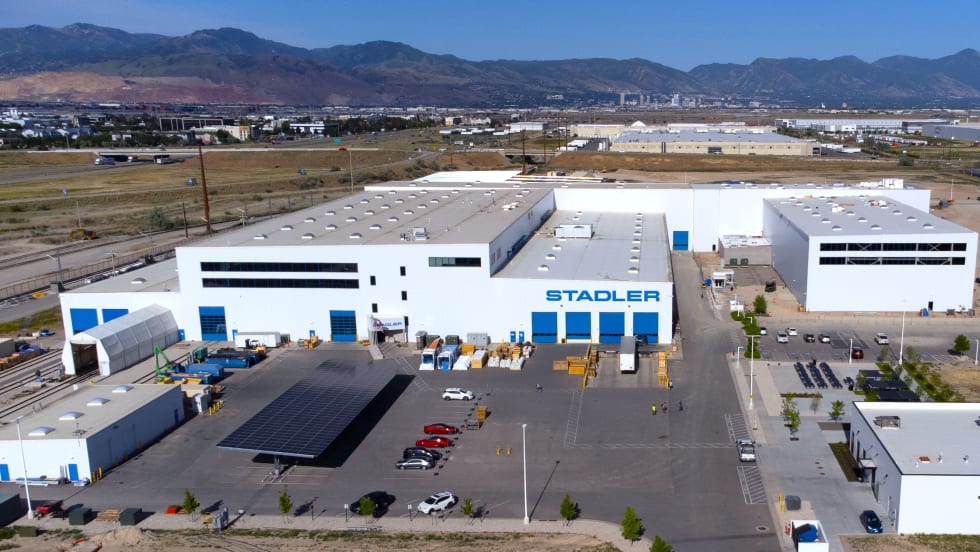
Stadler Marks 10 Years in the U.S. with Salt Lake City Expansion
The expansion is expected to create up to 300 new local jobs, some of which are youth apprenticeships, said Stadler officials.
Read More →